Once a filament spool is opened, the simplest storage routine is also the most repeatable: return the spool to a clean, sealed container, keep rechargeable desiccant where air can reach it, and check the indicator before the next print. The goal is to reduce continued moisture exposure between printing sessions—not to use a storage box as a substitute for a filament dryer.
This guide shows how to set up that routine without burying packets under spools, blocking the lid seal, or losing track of which desiccant needs recharging.
Quick Answer
For everyday storage, place open filament spools in a rigid container with an intact lid seal. Keep reusable silica gel packs beside or between the spools where they remain visible and do not interfere with the lid, spool edges, labels, or feed paths. Close the container promptly after use, check the indicator and container condition regularly, and rotate in a recharged, fully cooled pack when the active pack shows it has absorbed moisture.
If you are choosing a starting quantity, use the Wisedry silica gel amount guide rather than relying on one universal packet count. Container volume, seal quality, how often the box is opened, and ambient humidity all change the workload.
1. Start With a Container That Actually Closes
A desiccant pack cannot compensate indefinitely for a lid that leaks or sits on top of a spool rim. Before loading the box:
- Wipe out loose filament scraps and dust.
- Inspect the gasket, latch, corners, cable ports, and any pass-through fittings.
- Make sure every spool fits below the lid line.
- Close each latch and confirm that the seal makes even contact.
- Avoid overfilling the box so tightly that the sides bow outward.
A clear or translucent container makes quick checks easier, but visibility is less important than a sound seal. If the box repeatedly gains humidity, use the simple container-seal checklist before adding more desiccant.
2. Prepare Open Spools Before They Go Back
A tidy return-to-storage routine prevents avoidable problems inside the box.
First, secure the loose filament end in the spool’s intended retaining hole or clip. A loose end can unwind, snag a packet, or keep the lid from closing. Brush away scraps rather than leaving them under the gasket. Keep the original spool label visible so material type, color, and remaining quantity are easy to identify without leaving the box open for long.
If a spool is visibly damaged, wet, or printing poorly, follow the filament manufacturer’s guidance. Rechargeable desiccant in a storage container helps manage the environment between uses; it should not be treated as proof that already moisture-affected filament has been restored.
3. Give Every Spool a Stable Position
Arrange spools upright or flat according to the container shape, but keep the stack stable. Avoid leaning heavy spools against a soft desiccant sachet. The packet should not become a spacer, foot, or cushion.
For a multi-spool box:
- Put the largest or most frequently used spools where they can be removed without unloading the entire container.
- Leave a small accessible zone for the desiccant rather than filling every gap.
- Keep spool labels facing upward or toward the clear side of the box.
- Keep loose filament ends away from latches and gasket channels.
- Confirm that no spool presses into the lid when it closes.
For a more detailed layout, see how to arrange filament spools and desiccant in one container.
4. Place Rechargeable Desiccant Where You Can Inspect It
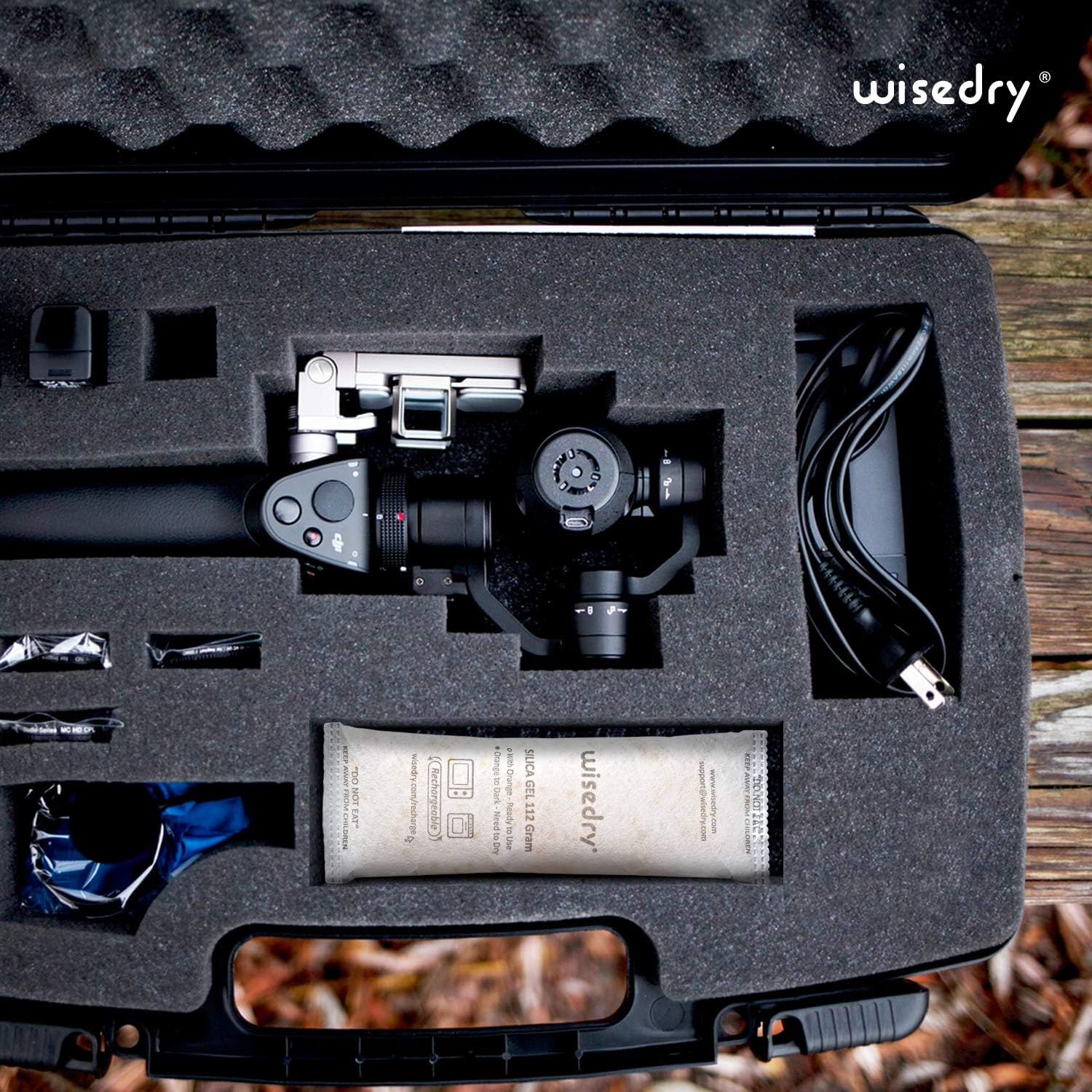
Good placement is visible, stable, and out of the way. Suitable zones often include an open side space, a shallow compartment, or a clear gap between spools. The exact position depends on the box, but the same rules apply:
- Do not trap a packet underneath a heavy spool.
- Do not fold a sachet sharply to force it into a narrow gap.
- Do not let it cross the gasket or latch area.
- Do not block a moving spool, axle, or filament feed path.
- Keep the indicator visible if the product uses one.
- Leave enough room to remove the pack without disturbing every spool.
You do not need to create a perfect wind tunnel inside a closed storage box. You do need to avoid sealing the pack inside another bag or burying it so deeply that routine checks are skipped.
5. Close the Box Promptly After Every Print
The storage routine works best when the open time is predictable. Prepare the printer area before opening the box, remove only the spool you need, and close the lid while the spool is in use if other open spools remain inside.
When a spool returns:
- Secure the filament end.
- Check that the packet is still flat and undamaged.
- Confirm that the indicator remains readable.
- Check the gasket channel for scraps.
- Latch the container fully.
A temporary humidity rise after opening is normal. What matters is whether the reading settles again after the box is closed. The guide on why a filament box gains humidity after opening explains how to distinguish a normal opening spike from a recurring seal or maintenance issue.
6. Use the Indicator and Trend, Not a Fixed Calendar Alone
There is no single recharge interval that fits every filament box. A container opened several times a day gives its desiccant a different workload from a box opened once a month. Seasonal humidity and seal condition matter too.
Check three things together:
- Indicator condition: follow the instructions for the specific reusable pack.
- Container trend: note whether humidity settles after closing or continues to climb.
- Physical setup: confirm the lid, gasket, packet, and spool layout have not changed.
If the indicator shows that the silica gel has absorbed moisture, follow the correct recharge instructions for that product. The filament dry-box recharge schedule guide provides a practical check routine without promising a fixed number of days.
7. Build a Two-Pack Rotation
A simple rotation reduces the temptation to leave open spools unprotected while a pack is being recharged.
Use one pack in the container and keep the second pack ready in sealed storage. When the active pack needs attention:
- Remove it and follow the applicable Wisedry recharge instructions.
- Let it cool fully as directed before returning it to enclosed storage.
- Place the ready pack in the filament box.
- Record the swap date on a removable label or simple log.
- Recheck the lid seal after closing.
The label is a memory aid, not a fixed replacement schedule. Indicator condition and the container trend remain the better signals.
8. Separate Spools When That Makes Checks Easier
One large box is convenient, but it is not always the easiest system to maintain. Separate containers may be useful when:
- some spools are opened daily and others rarely;
- different spool sizes prevent the lid from closing cleanly;
- one damaged spool or loose filament end disrupts the whole layout;
- the box is so full that the desiccant cannot be seen or removed;
- you need to isolate a spool for manufacturer-recommended handling.
Smaller boxes also reduce the amount of humid room air exchanged during each opening, although they require their own seal and desiccant checks. Choose the setup you can close and inspect consistently.
Common Mistakes to Avoid
Leaving the lid loosely latched
A nearly closed box is still an open moisture path. Check every latch before walking away.
Putting the packet under the spool
This can compress the sachet, hide the indicator, and make removal difficult. Reserve an accessible side zone instead.
Treating more desiccant as the first fix
If readings do not settle, inspect the seal, cable ports, opening routine, and packet condition before simply adding more packs.
Returning a warm pack directly to the box
Follow the product’s recharge and cooling instructions. A recharged pack should be fully cooled as directed before it returns to a closed filament container.
Assuming storage desiccant dries every wet spool
This setup is for moisture management during storage. It does not replace filament-manufacturer guidance or dedicated drying equipment when filament already shows moisture-related symptoms.
A 60-Second Storage Checklist
Before leaving open filament spools in the box, confirm:
- Filament ends are secured.
- Spool labels are visible.
- No spool touches the lid or gasket.
- The desiccant pack is flat, accessible, and not compressed.
- The indicator is visible.
- No scraps sit in the gasket channel.
- Every latch is fully closed.
- The next check or rotation date is recorded if useful.
Frequently Asked Questions
Can I keep several open filament spools in one sealed box?
Yes, if they fit without distorting the box or blocking the seal. Leave an accessible zone for rechargeable desiccant and arrange the spools so one can be removed without disrupting the entire setup.
Should the desiccant touch the filament spool?
Incidental contact is not the goal. Keep the pack beside or between spools where it remains flat and accessible, rather than using it as a support under a heavy spool.
How much rechargeable desiccant should I use?
Start with the container volume, seal quality, opening frequency, and ambient conditions. Use the Wisedry amount guide for a practical estimate, then monitor the indicator and container trend.
How often should I check the box?
Check it whenever you open the container and include a regular visual check between printing sessions. Boxes opened frequently or used in humid conditions generally need closer attention than rarely opened storage.
Will rechargeable desiccant dry filament that is already wet?
Do not assume it will. A sealed storage setup helps limit ongoing exposure. For filament that already shows moisture-related symptoms, follow the filament manufacturer’s drying and handling guidance.
Keep the Routine Easy to Repeat
The best filament storage setup is one you can close, inspect, and reset without rearranging the whole box. Give spools stable positions, reserve an accessible space for rechargeable desiccant, watch the indicator and humidity trend, and rotate packs before maintenance becomes urgent.
For product-specific questions, visit the Wisedry Support Center.