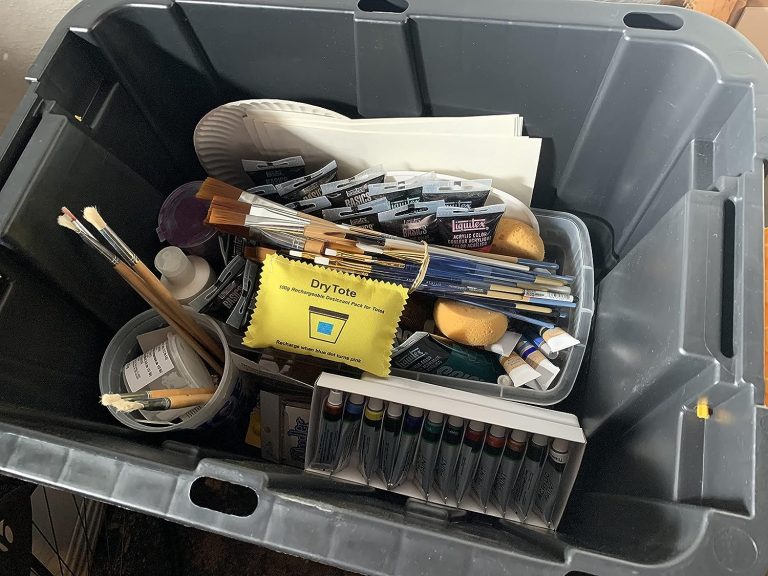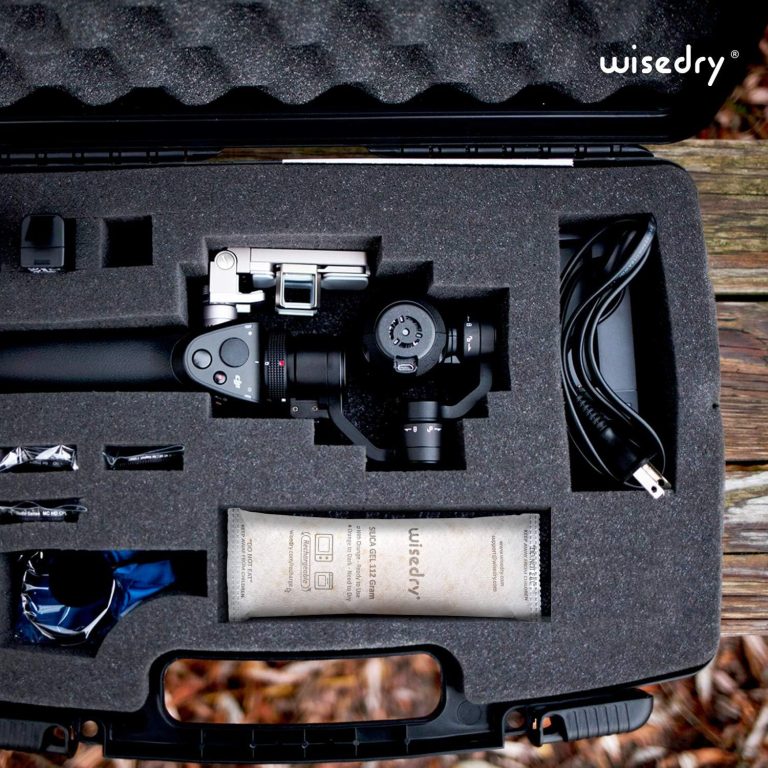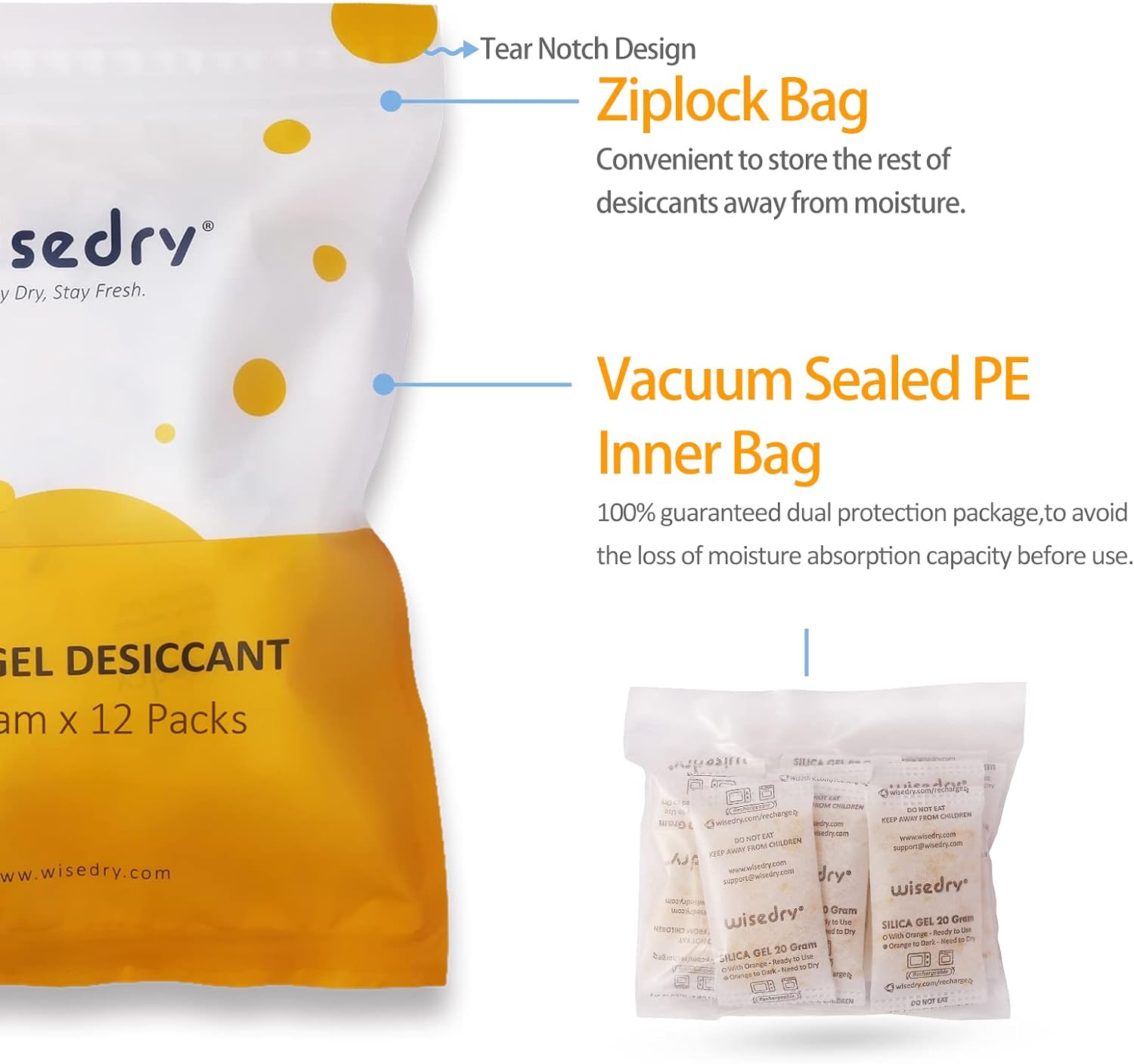
One large filament storage box can be convenient, but it stops being convenient when you must unload several spools to reach one item, the lid rests on the contents, or the desiccant indicator disappears behind the stack. At that point, dividing the collection between two sealed boxes can make the storage routine easier to repeat.
The decision is not about chasing a perfect container size. It is about maintaining four basics: a lid that closes evenly, accessible desiccant, quick spool access, and a consistent check routine. If one crowded box makes any of those difficult, two simpler storage zones may be the better setup.
This guide covers storage organization only. It does not promise a fixed relative-humidity reading, restore moisture-affected filament, or guarantee print results.
Quick Answer
Split filament spools between two storage boxes when the current box is so full that spools press against the lid, packets are crushed or hidden, feed paths become tangled, or every opening exposes the entire collection. Group spools by how often you use them, then give each box its own intact seal, visible desiccant, and check routine.
Do not split the collection merely to add more containers. A second box adds another lid, gasket, and packet set to inspect. The change is useful only when it makes closing, opening, and monitoring the storage system simpler.
Seven Signs One Box Has Become Too Crowded
1. The lid touches a spool or packet
Nothing inside the container should prop up the lid or cross the gasket channel. If you must press down hard to engage the latches, remove items and inspect the rim. A spool edge, loose filament end, label, divider, or desiccant sachet can create a gap even when the latches appear closed.
A larger amount of silica gel does not correct a lid that cannot seat evenly. Review common filament storage container leaks before changing the packet quantity.
2. You cannot see or remove the desiccant
A reusable packet should remain accessible enough to inspect without unloading the entire box. If it is buried under spools, wedged into a narrow corner, or folded to make everything fit, the layout is encouraging skipped checks.
Move the packet to an open side zone or shallow compartment. If no accessible zone remains, reduce the spool count or use a second box.
3. One spool change disturbs the whole layout
A workable arrangement lets you remove a frequently used spool without lifting every other spool, dragging packets across the container, or pulling loose filament ends into the gasket. If each change becomes a full repack, the box is carrying too many items for its shape.
4. The box stays open while you search
The longer a container remains open, the more room air enters. If similar colors, unlabeled materials, or tightly stacked spools make selection slow, separating the collection can shorten each opening.
Keep spool labels visible and group items so the next spool can be identified before the lid is opened.
5. Feed-through hardware and stored spools compete for space
A box with PTFE fittings, axles, bearings, or sensor wiring needs clear working space around those parts. A spool should not pull a tube sideways, block a fitting, or press a packet into a moving path.
If active printing hardware occupies one side of the box, use that box for the spools connected to the feed system and place reserve spools in a separate sealed storage container.
6. Frequently used and rarely used spools share every opening
Opening one large box for a daily-use spool exposes reserve materials at the same time. A two-box system can separate an active box from a reserve box, so the rarely used collection remains closed more often.
This does not make the reserve box maintenance-free. It still needs an intact seal and regular indicator checks, but its opening pattern becomes easier to understand.
7. The container sides or lid flex after loading
Overfilling can push against a thin plastic wall or lid. If the container changes shape once loaded, the gasket contact may become uneven. Do not rely on stronger latch pressure to force an overloaded box closed. Remove enough contents for the container to return to its normal shape.
Choose a Split That Matches How You Print
The simplest split is usually better than a complicated sorting system. Choose one rule that makes each opening predictable.
Active spools and reserve spools
Put frequently used materials in the active box and less-used materials in the reserve box. This is useful when a small group of spools accounts for most print sessions.
Review the active box more often because it is opened more often. Check the reserve box on a regular schedule and whenever a spool moves in or out.
Material family
You can separate spools by material family when that helps you identify and handle them according to the filament manufacturer’s guidance. Keep labels visible and avoid inventing universal storage conditions; different products may have different handling instructions.
Project or printer group
If certain spools are routinely used for one project or printer, grouping them can reduce searching. Keep the container organization separate from any printer repair or calibration decision.
Opened and unopened spools
Opened spools can occupy the main working box while sealed, unopened spools remain in their original packaging until needed. Do not open packaging merely to make the boxes look uniform.
Set Up Each Box as a Complete Storage Zone
Splitting one box into two does not mean dividing the existing packet setup at random. Treat each container as its own small system.
For each box:
- Empty and clean the rim and gasket channel.
- Check that the lid and latches close evenly.
- Arrange spools below the lid line with labels visible.
- Reserve a stable, accessible area for desiccant.
- Keep packets away from spool weight, feed paths, and sharp edges.
- Confirm the indicator is visible if the product has one.
- Record which box is active and which is reserve.
- Close both boxes and observe their trends separately.
Use the Wisedry silica gel amount guide as a starting point for each container. Volume, seal quality, opening frequency, room conditions, and the condition of stored items all affect the workload; do not assume that cutting the spool count in half automatically means cutting the desiccant amount in half.
Keep Desiccant With the Box It Serves
Once you have two boxes, avoid moving the same active packet back and forth between them. Each opened container exchanges air on its own schedule, so each needs an appropriate packet setup and its own observations.
A simple label can include:
- box name: Active or Reserve;
- material or project group;
- last packet check date;
- last recharge or rotation date;
- a note about unusual opening frequency.
The date is a reminder, not a fixed recharge deadline. Follow the indicator and the instructions for the exact Wisedry product. For a practical schedule, read how often to recharge desiccant in a filament dry box.
When recharging is needed, use the Wisedry recharge guide hub and let the pack cool as directed before returning it to a closed container.
Test the New Arrangement Without Changing Everything at Once
After the split, keep the first check simple:
- Confirm both packets are ready for use according to their product indicators.
- Close each box normally and record the time.
- If you use hygrometers, allow the readings time to settle.
- Note which box is opened and for how long.
- Compare each box with its own earlier readings rather than comparing two different sensors as if they were identical.
- Recheck the lid, packet placement, and indicator after several normal use cycles.
Consumer hygrometers can differ, and temperature affects readings. Look for a repeatable trend instead of treating one number as laboratory proof.
When One Box Is Still the Better Choice
Do not add a second box if the current container:
- closes without pressure or distortion;
- keeps the packet visible and uncompressed;
- lets you remove one spool without unloading the rest;
- has clear labels and short opening times;
- keeps feed paths and latches unobstructed;
- is easy to check and reset after each use.
One well-organized box is easier to maintain than two neglected boxes. The goal is fewer handling mistakes, not more equipment.
For the detailed layout inside a single container, use how to arrange filament spools and desiccant in one box.
Common Mistakes to Avoid
Splitting spools but forgetting the second packet setup
Each sealed air space needs its own sizing, placement, and maintenance decision. Do not assume one packet outside the box serves both containers.
Hiding reserve spools in an unlabeled box
A reserve box that takes several minutes to search defeats the purpose. Keep material type, color, and spool status visible.
Moving hygrometers and packets every day
Frequent swapping makes trends difficult to interpret. Keep the setup stable long enough to observe normal use.
Packing the new boxes to their limits
Two overfilled boxes reproduce the original problem. Leave enough clearance for the lid, gasket, packet, and your hands.
Treating storage as a repair method
A sealed box with desiccant supports storage between uses. It is not a guarantee that filament already showing moisture-related symptoms has been restored. Follow the filament manufacturer’s drying and handling guidance.
A 60-Second Two-Box Check
Before closing the storage area, confirm:
- each spool is in the intended Active or Reserve box;
- loose filament ends are secured;
- labels face upward or outward;
- no item touches the gasket or lid;
- each packet is flat, visible, and accessible;
- no packet blocks a feed path or latch;
- both lids close without force;
- check or rotation notes are current.
Frequently Asked Questions
Is it better to keep filament in one large box or several small boxes?
Use the arrangement that you can close, inspect, and open consistently. One box reduces the number of seals to maintain. Several boxes can reduce searching and keep reserve spools closed when only active spools are needed.
How should I divide filament between two boxes?
Start with frequency of use: active spools in one box and reserve spools in the other. Material family or project group can also work if those labels make spool selection faster.
Should each filament storage box have its own desiccant?
Yes, each sealed air space needs its own appropriately selected and maintained setup. Use the amount guide for a starting point, then follow the packet indicator, container seal, and opening pattern.
Can I put the hygrometer in only one box?
A reading from one container does not describe the other container. If you monitor both, keep in mind that consumer sensors may differ. Indicator condition, seal checks, and consistent observations remain important even when a hygrometer is used.
Will two boxes keep filament drier than one box?
Not automatically. Two boxes can reduce unnecessary openings and crowding, but only if both containers close well and both packet setups are maintained. A poorly sealed second box can add work without improving the routine.
Make Every Opening Easier
Split the collection when doing so gives each spool, packet, and lid enough space to work as intended. Keep the sorting rule simple, equip each box as a complete storage zone, and judge the setup by whether it is easier to close, inspect, and repeat.
For product-specific questions, visit the Wisedry Support Center.