
Flower drying silica gel is most useful when it is kept clean, dry, and easy to check before the next project. After you remove dried flowers from the container, do not leave the crystals open on a workbench or mixed with plant scraps. Let the crystals return to a clean storage routine: separate debris, confirm whether they need recharge, close them in a dry container, and label the batch so the next setup starts with fewer unknowns.
After a flower-drying batch, use How To Separate Reusable Flower-Drying Silica Gel From Petal Debris before recharging or sealing the crystals for storage.
Quick answer: store flower drying silica gel in a clean, dry, sealed container after each project. Remove petals, stems, dust, and loose debris first. If most crystals have shifted from orange toward dark green, follow the Wisedry recharge instructions before storage or before the next flower batch. Add a simple date label so you know when the crystals were last used or recharged.
This guide is for short-term and between-project storage, not for making an open bowl of silica gel last indefinitely. Real storage conditions vary with humidity, container seal quality, how often the lid is opened, and how much moisture the last batch of flowers released. Treat stored crystals as reusable material that still deserves a quick check before each new project.
Why Between-Project Storage Matters
Flower drying projects usually create small bits of organic debris. Petals shed, stems break, dust gathers near the bottom of the container, and fine crystal particles can collect around the corners. If that mix goes straight back onto the shelf, the next project begins with dirty material and unclear moisture history.
Good storage helps in three practical ways:
- It keeps the crystals cleaner between batches.
- It reduces unnecessary exposure to room air.
- It gives you a repeatable check routine before adding fresh flowers.
Wisedry’s core silica gel crystals page explains the product’s flower drying use and orange-to-green indicator language. Between projects, that indicator is the easiest reminder to slow down and check the material before setting up the next bloom.
Step 1: Remove Flowers Before You Stir The Crystals
When a drying project is finished, take the flowers out before mixing the crystals. This keeps brittle petals and stems from breaking into smaller pieces throughout the container.
Work slowly and keep the container close to the table. If a bloom is fragile, support it from underneath instead of pulling from the top. Once the flowers are out, look for:
- Petal fragments.
- Stem pieces.
- Leaves.
- Dusty clusters near corners.
- Any foreign material that does not belong in the next batch.
If you are still refining your setup process, the guides on building the silica gel base layer and pouring crystals around petals are useful companions. Storage starts after those handling steps are complete.
Step 2: Screen Out Debris Without Overhandling
You do not need to polish every crystal. The goal is practical cleanliness. Use a clean scoop, spoon, or dry gloved hand to remove obvious plant material. If you use a sieve, choose one that is clean, dry, and appropriate for the crystal size, and avoid forcing crystals through a mesh that is too tight.
Do not rinse flower drying silica gel with water. Water adds moisture back into the material and creates another drying problem. If the crystals look contaminated beyond simple debris removal, set that portion aside instead of mixing it into your clean storage batch.
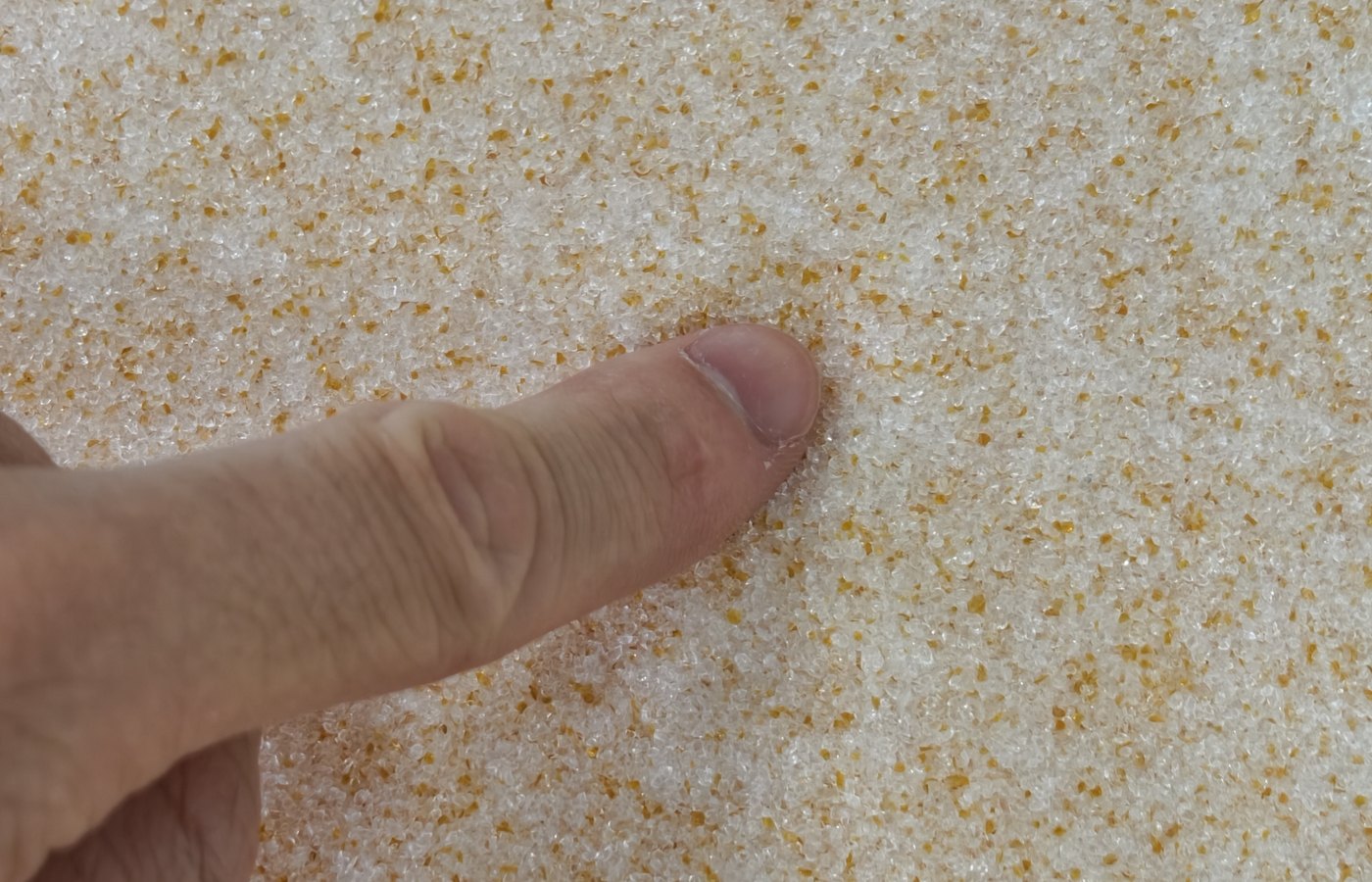
Step 3: Decide Whether To Recharge Before Storage
The simplest decision point is the color indicator. Wisedry’s flower drying guidance uses orange-to-green language: when most crystals shift from orange toward dark green, the material should be recharged with controlled heat before another drying project.
For between-project storage, you have two reasonable options:
- Recharge soon after the project if most crystals have changed color.
- Store the batch closed and recharge before the next project if the next use is not scheduled yet.
The important part is to avoid forgetting the batch’s condition. If the crystals are already mostly dark green, label them as needing recharge. If they are mostly orange and clean, label them as checked. For product-specific heat method details, follow the current Wisedry flower drying crystal recharge instructions.
Do not guess based only on how long the container sat on the shelf. A tightly closed batch in a dry room and a frequently opened batch in a humid room can behave differently. Check the crystals before use.
Step 4: Choose A Clean, Dry Storage Container
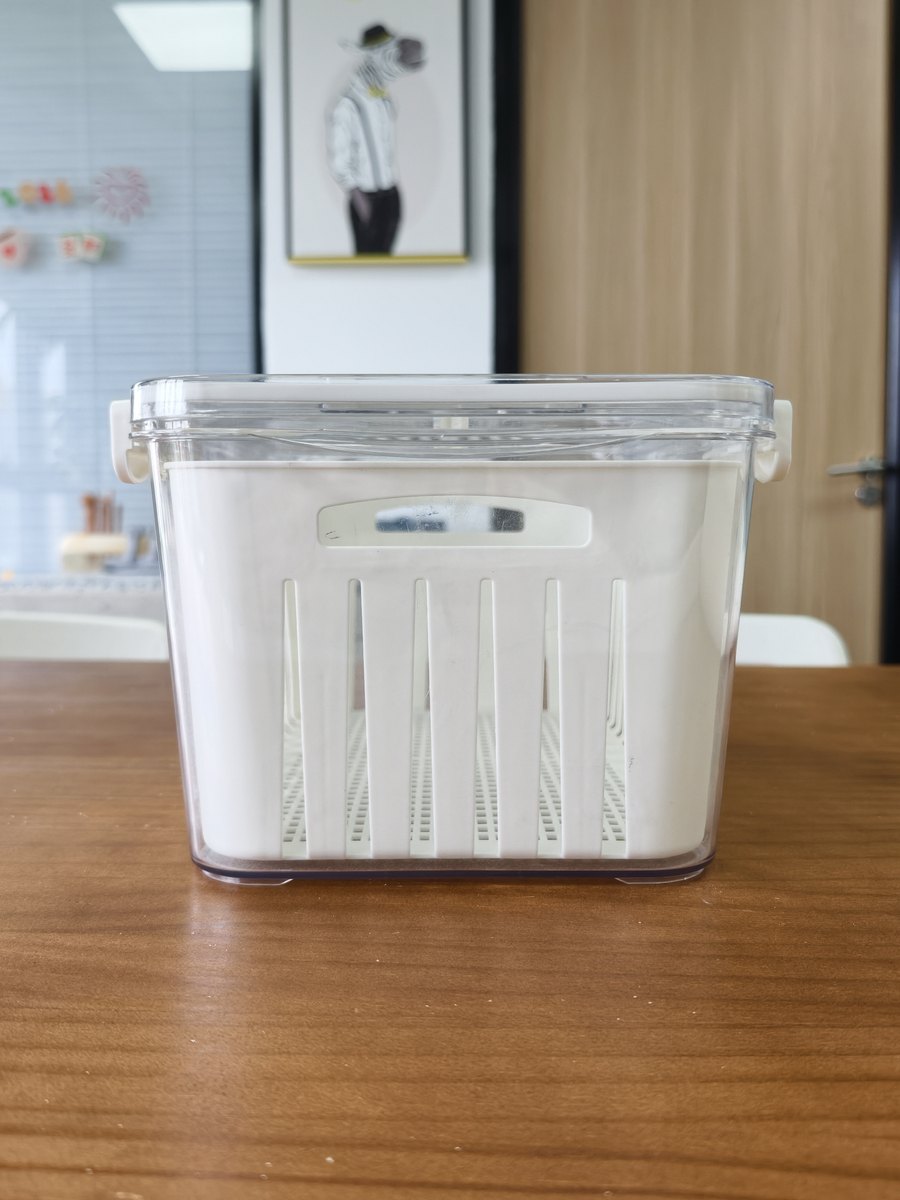
Use a container that closes firmly and stays dry inside. The original product package may be useful while the product is unopened or while you are keeping clean material together, but after a project, many users prefer a clean lidded container because it is easier to inspect and label.
A good between-project container should be:
- Dry before crystals go in.
- Free of flower debris or residue.
- Easy to close without leaving a gap.
- Easy to label with date and condition.
- Stored away from splashes, wet tools, and open windows.
Avoid leaving crystals in an open tray, paper cup, or loosely covered bowl. Silica gel is meant to adsorb moisture, so open storage gives it more room air to work on before the next flower batch even begins.
Step 5: Label The Batch
A small label prevents confusion later. You do not need a complicated inventory system. A piece of tape or a removable label can be enough.
Useful label fields:
| Label field | What to write | Why it helps |
|---|---|---|
| Last used | Project date or flower type | Helps you avoid mystery batches |
| Condition | Mostly orange, mixed, or needs recharge | Tells you what to check first |
| Recharge date | Date recharged, if applicable | Helps separate checked batches from used batches |
| Notes | Dusty, screened, or set aside | Keeps questionable material out of the next project |
If your container has a date dial or another simple marker, use it as a reminder, but do not treat a date mark as proof that the crystals are ready. The visual crystal check still matters.
Step 6: Store It Away From Moisture Sources
Between projects, keep the container in a stable indoor location. A craft shelf, closed cabinet, or dry storage bin is usually more sensible than a bathroom, laundry room, damp garage corner, or open windowsill.
Keep the container away from:
- Wet bouquets waiting to be trimmed.
- Freshly washed tools.
- Open resin or craft liquids.
- Sinks and splashes.
- Heat sources that are not part of the official recharge process.
The aim is not to create a laboratory environment. The aim is to avoid obvious moisture exposure and keep the next project predictable.
What To Check Before The Next Flower Batch
Before you pour crystals around new flowers, do a quick reset check:
- Open the container and look for debris.
- Check whether most crystals are orange, mixed, or dark green.
- Confirm the crystals are loose enough to pour or scoop gently.
- Read the label to see when the batch was last used or recharged.
- Recharge if the crystals need it before they go around fresh blooms.
This routine is especially helpful if you run multiple flower projects close together. A clean-looking container can still hold crystals that need recharge, and a labeled container reduces the chance of mixing ready-to-use and used material.
Common Storage Mistakes
Storing Crystals While They Are Still Mixed With Flower Debris
Debris makes the next project messier and harder to inspect. Remove obvious plant material before storage.
Leaving The Container Open After Cleanup
Open storage exposes the crystals to room air. Close the container once the material is clean and sorted.
Assuming A Label Replaces A Color Check
Labels help memory; they do not replace the visual indicator. Check the crystals before reuse.
Mixing Questionable Material Into A Clean Batch
If a portion looks dirty, dusty, or uncertain, keep it separate. Do not contaminate the cleaner batch just to avoid wasting a small amount.
Recharging Without Reading The Current Instructions
Recharge methods and timing should follow the product instructions. Use the Wisedry recharge guide rather than copying an old note from memory.
FAQ
Can I store flower drying silica gel in the same container I used for drying flowers?
Yes, if the container is clean, dry, and closes well. Remove dried flowers and obvious debris first. If the container is dusty or has plant residue in the corners, clean and dry it before storing the crystals.
Should I recharge flower drying crystals before or after storage?
If most crystals have shifted from orange toward dark green, recharge before the next flower project. You can recharge soon after the project or label the batch as needing recharge and do it before the next use. The key is not to forget the batch condition.
Can I leave silica gel crystals in an open bowl between projects?
Open storage is not a good habit. The crystals will be exposed to room air, dust, and craft debris. A clean, dry, closed container is a better between-project routine.
What if only part of the batch has changed color?
A mixed color state means you should inspect the batch before reuse. Stirring can make the color easier to judge, but do not rely on a few orange crystals at the top if much of the batch is darker underneath. Follow the recharge instructions when the batch needs it.
Is this the same as long-term storage?
This guide covers practical between-project storage for reusable flower drying crystals. For long gaps, the same basics still apply: keep the material clean, dry, closed, labeled, and checked before reuse.
Next Step
If you are preparing for another flower drying project, start with clean crystals, a dry container, and a quick color check. Use the Wisedry flower drying recharge instructions when the crystals need controlled-heat recharge.
Need fresh material for the next batch? Shop Wisedry flower drying silica gel crystals, or visit Wisedry Support if you have a product-specific question before reuse.