Reusable silica gel is helpful because you can dry it again after it absorbs moisture. That does not mean every packet needs to be heated on a fixed schedule. In many storage setups, recharging too early is not dangerous when the product instructions allow reactivation, but it can be unnecessary and may add avoidable heat exposure.
The better rule is simple: recharge because the silica gel is saturated, close to saturated, or being prepared for an important storage period. Do not recharge just because a packet is a few days old or because you opened the container once.
Quick Answer
Yes, you can often recharge silica gel before it is completely saturated if the product is designed for reuse and you follow the correct product instructions. But early recharging is usually not needed when the indicator still shows the dry color, the packet has not gained much weight, and the storage container is staying dry.
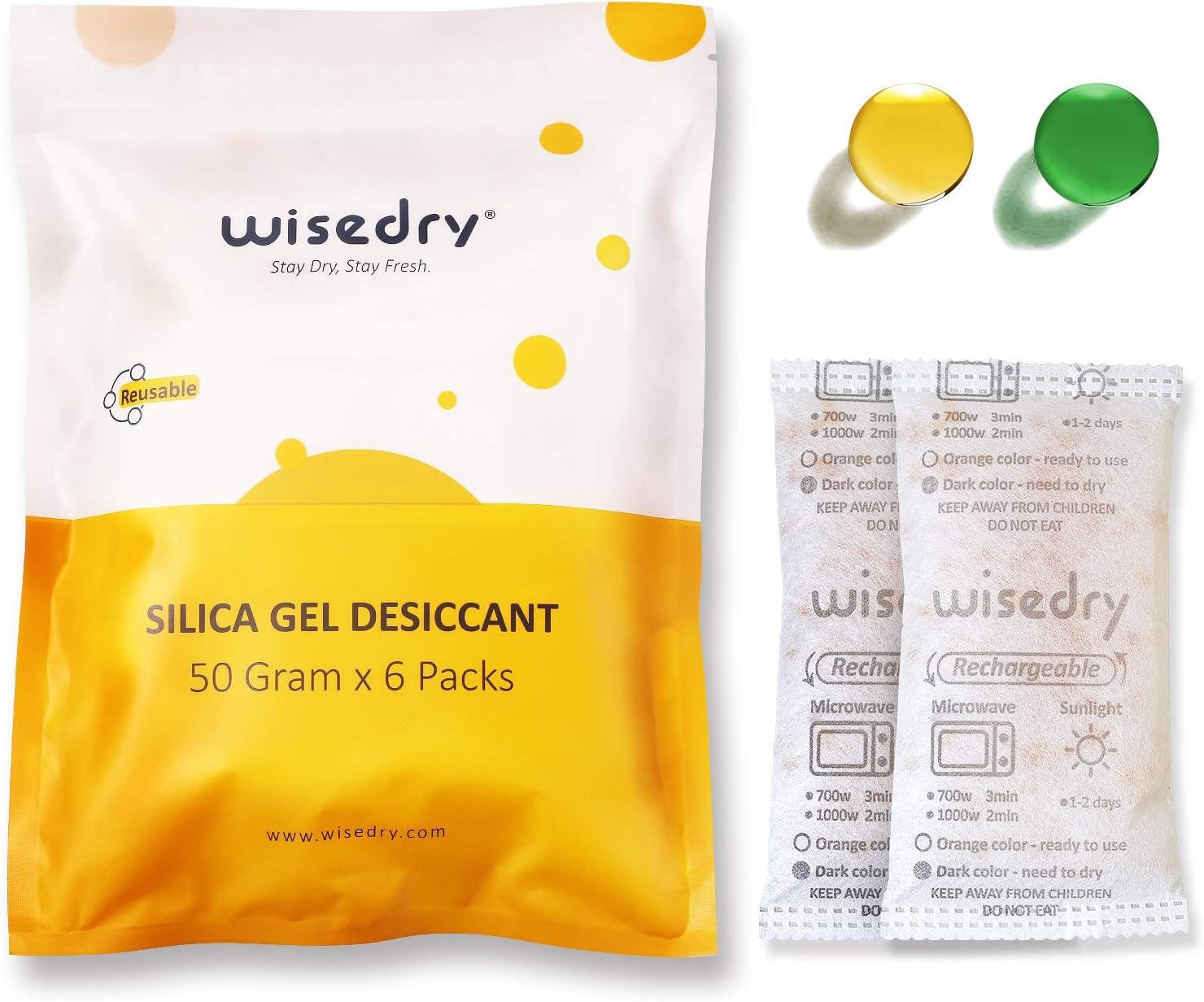
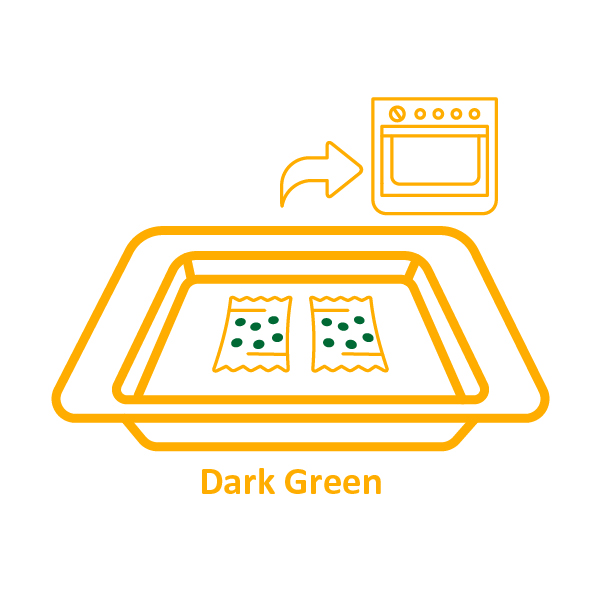
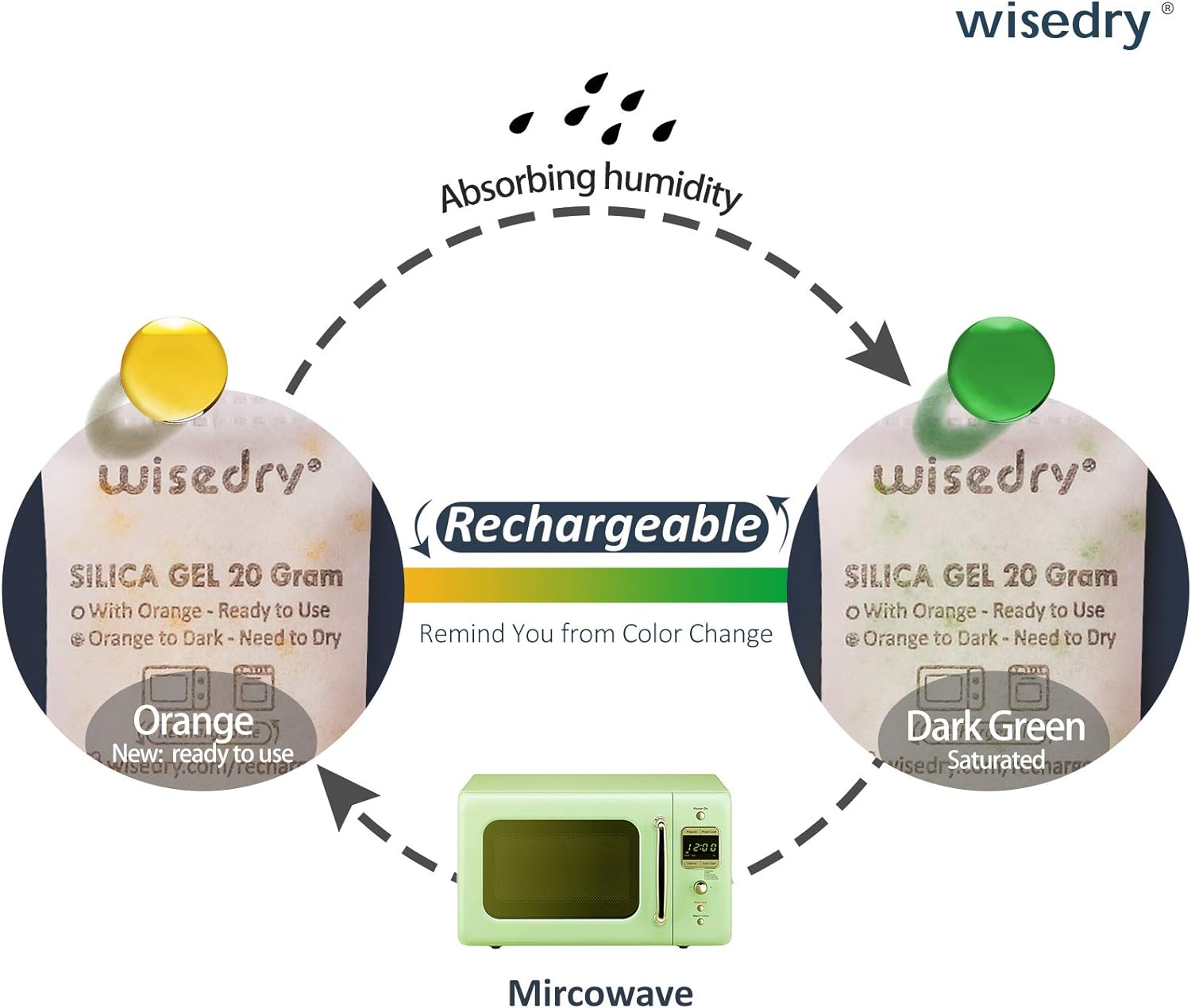
For Wisedry indicating products, orange beads mean the silica gel is ready to absorb moisture. Dark green beads mean it is saturated and should be reactivated before reuse. White beads do not change color. If the packet is still orange and dry, do not heat it just to be safe.
For the correct method by product type, start with the Wisedry recharge hub.
What “Too Early” Really Means
Recharging too early means heating silica gel while it still has useful moisture capacity left. The packet may still work, but the heating step may not add much benefit.
This usually happens when:
- The indicator beads are still mostly orange.
- The packet was placed in a tight container for only a short time.
- The container was not exposed to much humidity.
- The packet has not gained noticeable weight.
- The stored items and container still feel dry.
Early recharging is different from routine maintenance. If you are preparing a camera case, document box, flower drying container, or seasonal storage bin for longer storage, starting with freshly recharged silica gel can make sense. The key is to recharge intentionally, not automatically.
When Early Recharging Makes Sense
Early recharging can be reasonable when the storage job matters and you want to start with the packet as dry as practical.
Examples include:
- Preparing packets before a long trip or seasonal storage period.
- Resetting silica gel before storing important documents, camera accessories, craft supplies, or dried flowers.
- Recharging after the packet sat in open air for a while.
- Drying packets before moving them into a smaller airtight container.
- Recharging a packet that is partly changed and will be hard to check later.
In these cases, use the product-specific instructions and let the packet cool fully before putting it back with stored items.
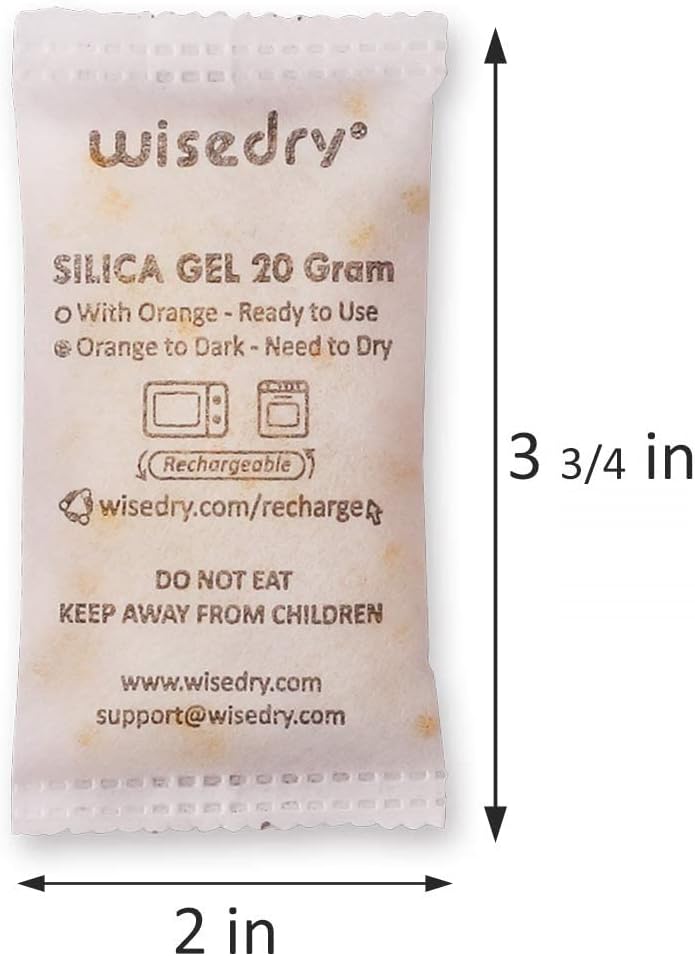
If you are using Wisedry 20g, 50g, or 112g packets, follow the guide to recharge Wisedry 20g, 50g, and 112g silica gel packets.
When You Should Wait
Waiting is usually better when the packet still has clear remaining capacity.
You can usually wait when:
- The Wisedry indicator beads are still orange.
- The packet has not gained much weight compared with its freshly recharged weight.
- The enclosed space is staying dry.
- The packet was only used briefly.
- The packet was stored in an airtight container between uses.
- You are not preparing for a long unattended storage period.
Heating a very dry packet may not improve storage performance. It can also make it easier to overheat the packet if the heating method, packet size, quantity, or timing is wrong. Follow the product guide instead of adding extra heating cycles.
Use Color, Weight, And Storage Conditions Together
The best recharge decision uses more than one signal.
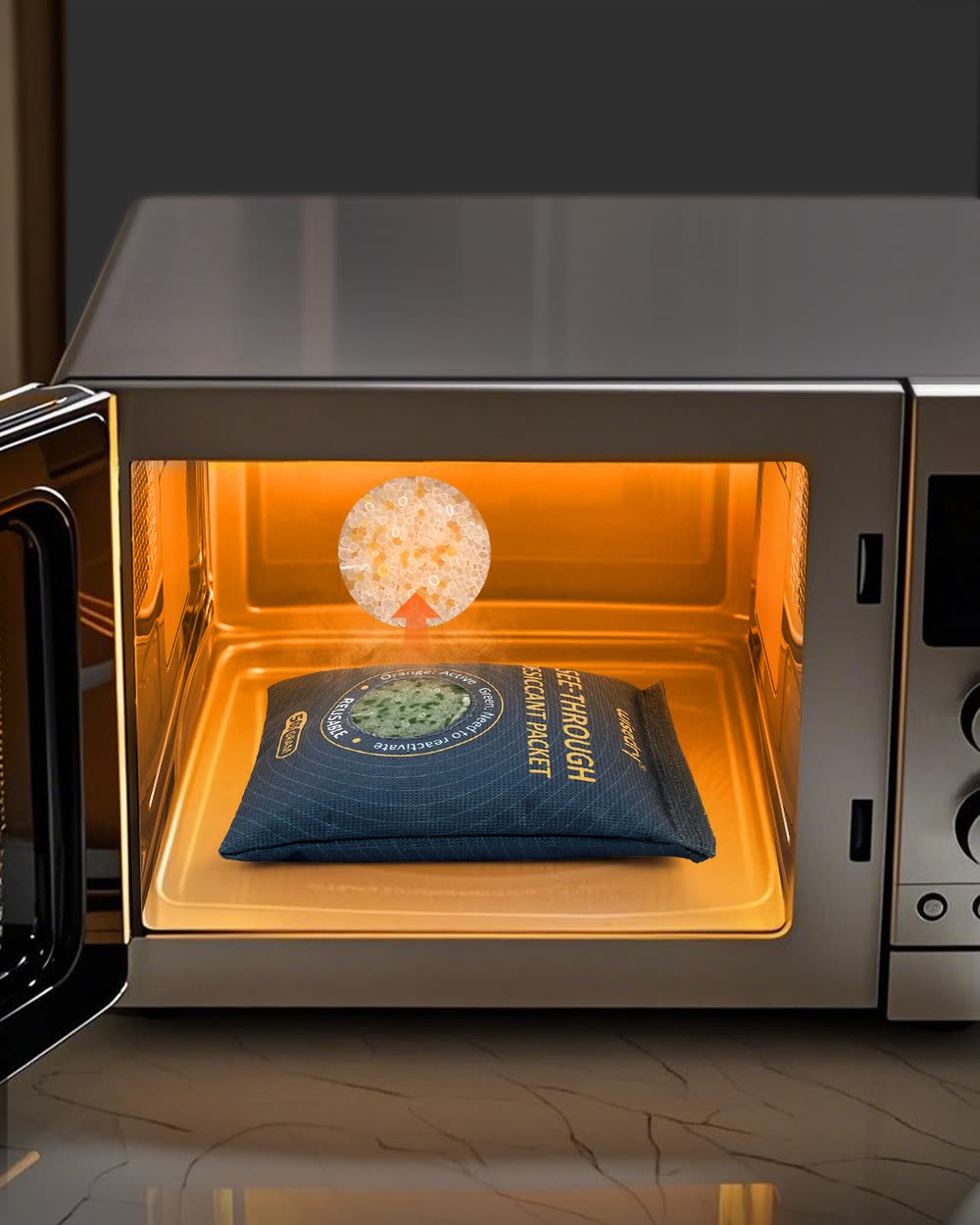
For Wisedry see-through and indicating packets:
- Orange means the packet is ready to absorb moisture.
- Dark green means the packet is saturated and ready for reactivation.
- White beads do not change color.
If your packet has no indicator, weight can help. Weigh the packet when it is freshly recharged and cool. Later, compare it with the used weight. A meaningful weight gain means the silica gel has absorbed moisture.
Storage behavior matters too. If moisture returns quickly in a sealed box, the packet may be saturated, too small, poorly placed, or working inside a leaky container. If the container stays dry, early recharging may not be needed.
For more detail, read how to tell if a silica gel packet is saturated and the Wisedry see-through desiccant packet instructions.
Why Recharging Too Often Is Not The Main Goal
The goal is not to heat silica gel as often as possible. The goal is to keep an enclosed storage space dry with enough active desiccant.
If a packet seems to need recharging very often, check the setup:
- Is the container actually sealed?
- Is the packet large enough for the container?
- Is the packet buried with no airflow?
- Are damp items going into the container?
- Is the container opened every day?
- Is the room unusually humid?
- Is the packet damaged, scorched, leaking, or contaminated?
Often, the better fix is a tighter container, better placement, or more total desiccant capacity. Use the silica gel amount guide before relying on extra recharge cycles.
A Simple Decision Routine
Use this routine before heating a reusable silica gel packet:
- Check the indicator color if the packet has one.
- Compare packet weight if you track dry weight.
- Check whether the container and stored items are staying dry.
- Confirm the packet is designed for reactivation.
- Choose the product-specific recharge method.
- Heat only according to the guide for that product size and material.
- Let the packet cool fully before handling, weighing, or returning it to storage.
This routine prevents two common mistakes: leaving a saturated packet in service too long and heating a dry packet without a useful reason.
What About Loose Silica Gel Beads?
Loose silica gel beads can also be recharged, but the handling rules are different from packets. The container, heating method, layer thickness, and material all matter.
For Wisedry silica gel beads, use the Wisedry silica gel beads instructions instead of copying packet instructions. Beads should be handled in a suitable heat-safe setup and cooled fully before reuse.
Do not assume every packet, pouch, bag, or bead container can be heated the same way. Some outer materials can scorch, melt, or weaken if handled incorrectly.
Quick Troubleshooting Checklist
If you are tempted to recharge early every time, check these first:
- The packet was stored open to room air.
- The container lid does not seal well.
- The packet amount is too small for the space.
- The packet is placed where air cannot reach it.
- Damp items are being sealed inside.
- The indicator is already changing toward the wet color.
- The packet is damaged or contaminated.
- You do not know which product instructions apply.
If the last point applies, do not guess. Use the recharge hub or ask support before heating the packet.
FAQ
Is it bad to recharge silica gel before it is fully saturated?
Usually, the bigger issue is that it may be unnecessary. If the product is reusable and you follow the correct instructions, early recharging can be reasonable before important storage. But heating a dry packet without need does not add much value.
Should I recharge silica gel every week?
Not automatically. Recharge based on indicator color, weight gain, humidity conditions, and storage results. A weekly schedule may be too often for a tight container and not often enough for a leaky or humid setup.
Can I recharge Wisedry packets while they are still orange?
If the indicating beads are still orange and the packet is dry, recharging is usually not needed. Wisedry guidance says to avoid heating packets that are still orange and dry. Recharge when the indicator shows saturation, weight gain confirms moisture absorption, or the storage plan requires a fresh reset.
Does early recharging make silica gel stronger?
No. Recharging removes absorbed moisture so the silica gel can absorb again. It does not make the silica gel stronger than its normal dry condition.
Should I recharge before putting packets into long-term storage?
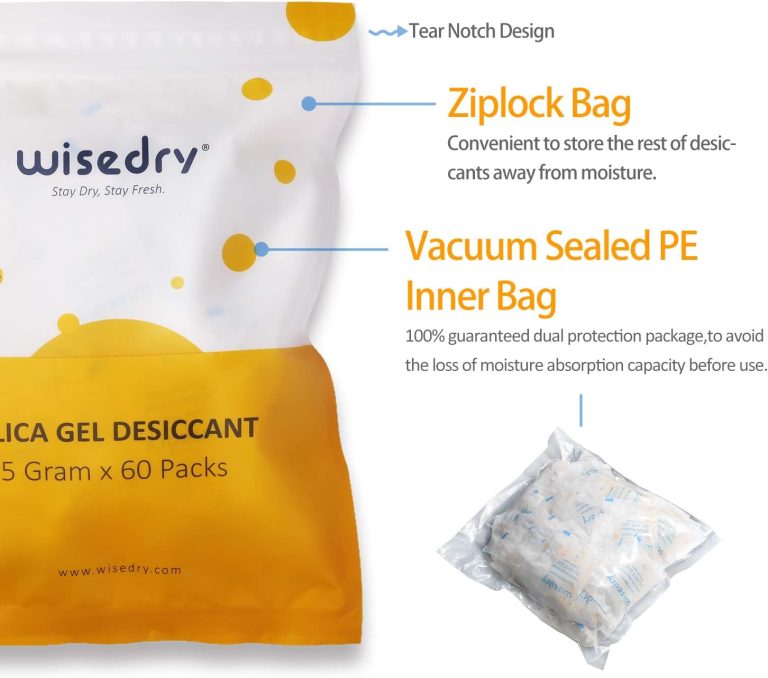
Often yes, if the packets may have been exposed to room air or humidity. Recharge according to the product guide, let them cool, then store unused packets in an airtight container until needed.
Why does my packet need recharging so often?
The packet may be too small, the container may leak, the space may be humid, or damp items may be going into storage. Check the container and amount before assuming frequent recharging is the only solution.
Does recharging silica gel too early shorten its lifespan?
Recharging silica gel before it is fully saturated usually does not make it work better. It mainly adds extra heating cycles, time, and energy use. For most home storage setups, the better habit is to wait for a clear saturation signal, follow the correct recharge instructions for your packet type, and let the packet cool fully before reuse.
If you are trying to understand long-term reuse, read the guide to how long silica gel packets last. It explains why lifespan depends on storage conditions, container sealing, moisture load, and how the packet is handled between uses.
Bottom Line
You can sometimes recharge silica gel before it is completely saturated, but the better habit is to recharge when there is a reason: a wet indicator color, meaningful weight gain, moisture returning in storage, exposure to open air, or preparation for longer storage.
If a Wisedry packet is still orange and dry, do not heat it just because time has passed. Keep it sealed, monitor the storage setup, and recharge when the packet actually needs it.
Need more active packets or help choosing the right amount? Shop reusable silica gel packets or ask Wisedry support.