A container that is opened every day needs a different moisture-control routine from a box that stays closed for months. Each opening exchanges some of the enclosed air with room air. The desiccant then has to handle that new moisture after the lid closes again.
If your box will remain sealed for weeks or months instead, use the complementary guide to choosing desiccant for long-term closed storage, including seal, placement, labeling, and first-check planning.
The practical answer is not simply to add the largest pack available. Start with the container volume, then adjust for how often the lid opens, how long it stays open, how well it seals, and whether you can place the desiccant where air can reach it. Choose a reusable setup you can inspect and recharge without disrupting the stored items.
Why Daily Opening Changes The Setup
Desiccant works best in a limited, reasonably sealed volume. In a long-term storage box, one dry charge may have time to bring the enclosed air toward a stable condition. A daily-access box repeatedly admits room air, so its moisture load keeps changing.
Three habits matter:
- Opening frequency: Five brief openings are different from one opening, but both add new air.
- Open time: A lid left open while you work allows more exchange than a quick retrieve-and-close routine.
- Room conditions: A humid workshop, basement, garage, or rainy-season room can add more moisture than a climate-controlled interior.
This is why a packet that lasts a long time in one box may need more frequent attention in another. Treat the initial amount as a starting point, then use actual observations to set the check and recharge interval.
Step 1: Begin With Container Volume
Measure the inside length, width, and height, then use the Wisedry Silica Gel Amount Guide to choose a baseline. You do not need laboratory precision; a reasonable inside-volume estimate is enough for a practical starting setup.
Do not compensate for a poor lid by adding packets indefinitely. If the container is much larger than necessary, consider whether a smaller inner box would reduce the air volume that needs to be managed. Our guide to why smaller containers usually need fewer desiccant packs explains that relationship in more detail.
Step 2: Check The Seal Before Increasing The Amount
A daily-access container does not need to be permanently closed, but it should close consistently between uses. Inspect the lid, latches, gasket, hinges, and rim. Dust, overloaded contents, a folded liner, or an object caught at the edge can prevent full contact.
Use the airtight box checklist before adding silica gel for a simple inspection. If the lid is designed with vents or large gaps, recognize that the desiccant is working against continuing air exchange. A better-fitting inner container may be more useful than repeatedly adding more material.
Step 3: Match The Format To Daily Access
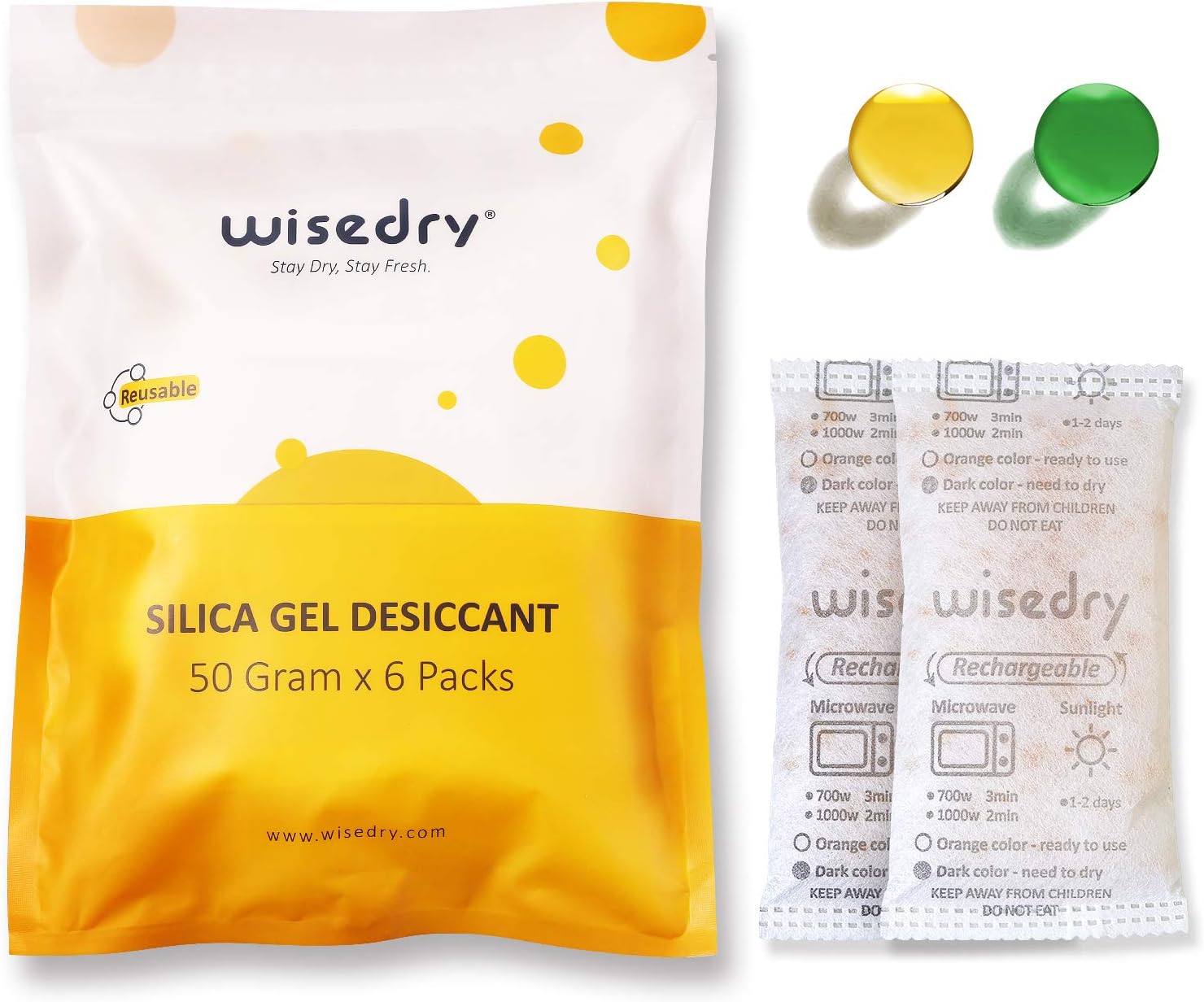
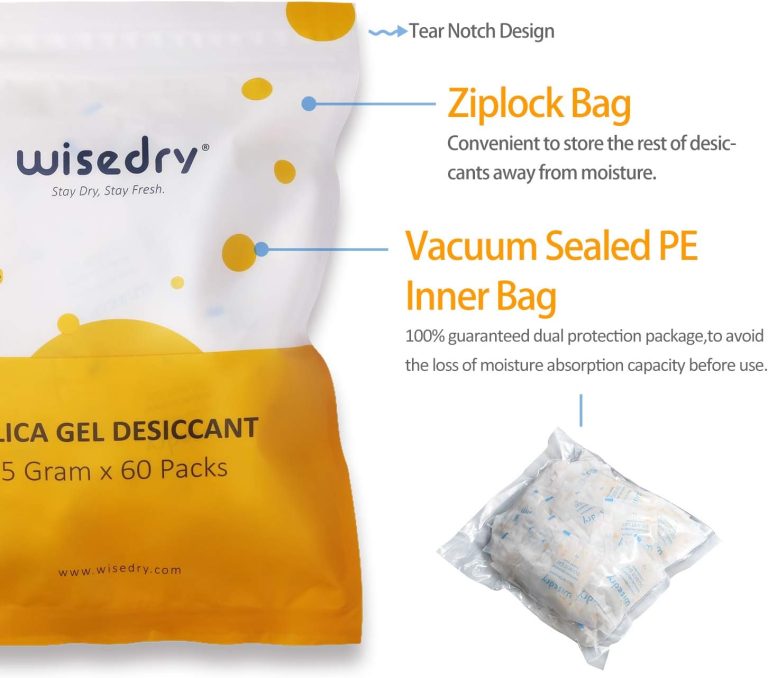
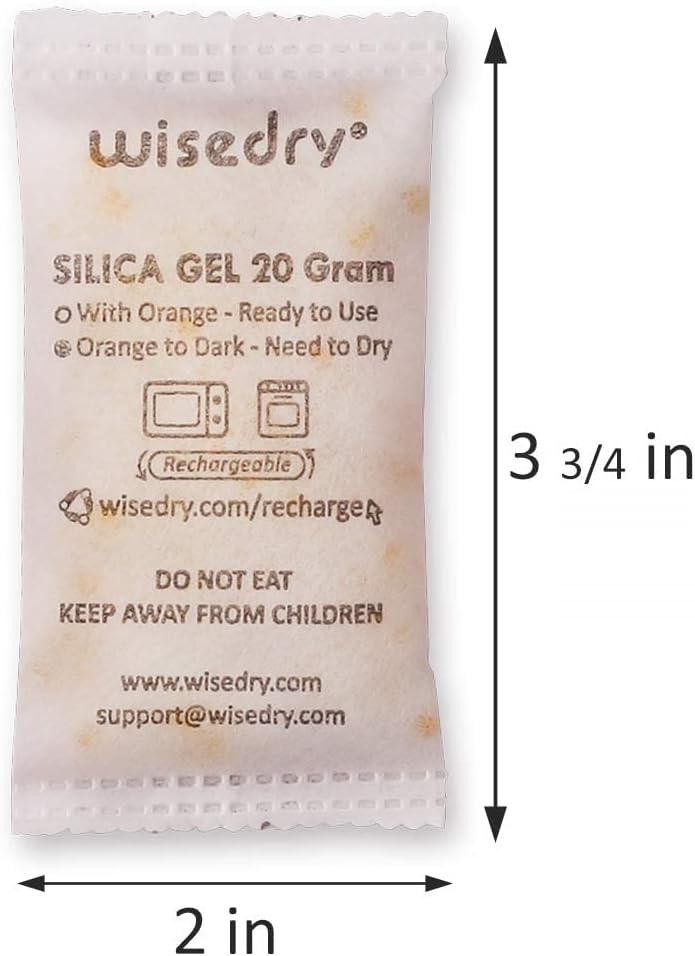
For a box opened often, packets or sachets are usually easier to manage than loose beads. They can be moved, counted, inspected, and removed for recharging without scattering among small parts or supplies.
Several smaller packets can be practical when:
- the container has dividers or several compartments;
- one large packet would block access;
- items are removed from different sections during the day;
- you want to rotate part of the desiccant while the rest remains in service.
One larger pack can be practical when:
- the box has one open compartment;
- there is a protected side or top area with airflow;
- you want one item to remove and recharge;
- the pack will not be crushed when the lid closes.
There is no universal winner. Compare the two arrangements in one large desiccant pack versus several small packs and choose the setup that remains visible and easy to maintain.
Step 4: Put Desiccant Where Air Can Reach It
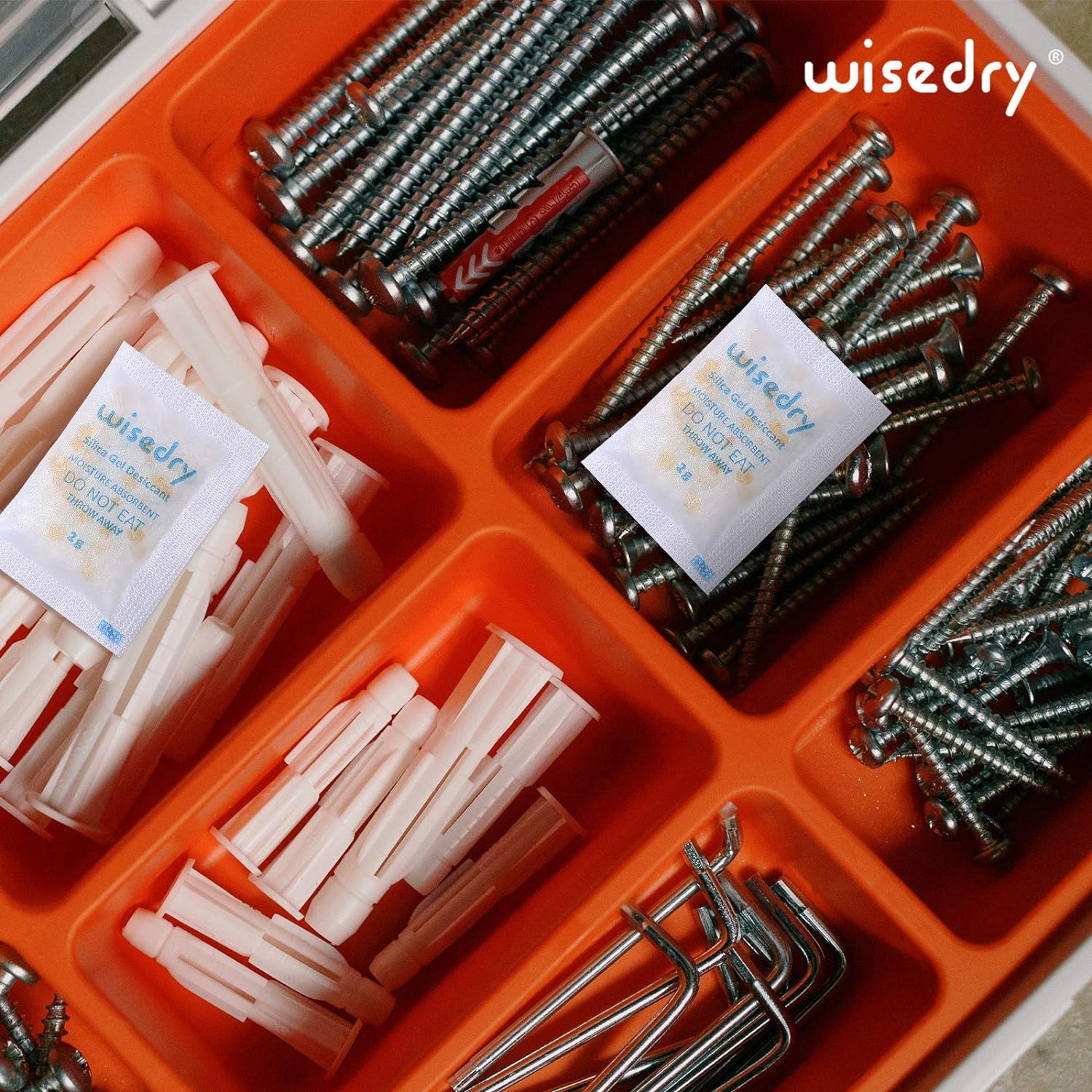
Do not bury every packet under tightly packed contents. Leave at least one exposed surface and keep the packet away from sharp edges, greasy tools, liquid spills, and moving hardware. A shallow tray, mesh pocket, open divider, or protected side space can keep it accessible.
Placement should also survive daily handling. If the pack falls under a heavy object each time the container is opened, the setup will be difficult to inspect and the sachet may be damaged. Review where not to place a desiccant pack in a storage box before settling on a location.
If the container has separate compartments with limited air movement between them, distribute smaller packets rather than assuming one corner will serve every section equally.
Step 5: Build A Short Check Cycle First
For the first week or two, inspect the setup more often than you expect to later. The goal is to learn how the container behaves in its real room and access pattern.
At each check:
- Confirm the lid and latches close fully.
- Look for an indicator change if your Wisedry product includes one.
- Check that packets remain dry, intact, and uncrushed.
- Note whether the box stayed open longer or was accessed more often.
- Follow the product instructions when recharging is indicated.
Once the pattern becomes predictable, set a repeatable routine. The monthly desiccant checkup routine provides a broader checklist, but a frequently opened box may need a shorter interval based on what you observe.
Step 6: Plan For Recharging Without Leaving The Box Unmanaged
A reusable setup is easier when recharging is part of the normal workflow. Keep the product instructions available and use the correct method for that specific packet or sachet. The Wisedry recharge guide collects the relevant instructions.
If continuous coverage matters for your storage routine, two sets can simplify rotation: one set in the box and one set ready after recharging and cooling. Rotate them without mixing spent and ready packs. A dated label or simple log helps prevent guesswork.
Do not return a warm pack directly to a closed container. Let it cool as directed before reuse, and keep the waiting pack away from open room air as much as practical.
Common Mistakes In Frequently Opened Containers
Treating The Starting Amount As Permanent
The amount guide gives you a baseline. Daily opening, room humidity, seal condition, and packing density determine how often the real setup needs attention.
Leaving The Lid Open During The Entire Task
Retrieve what you need and close the container when practical. Shorter openings reduce repeated air exchange without changing the desiccant product.
Hiding Packets Under Contents
A buried packet is easy to forget and difficult to inspect. Keep it visible and accessible while protecting it from pressure and sharp objects.
Adding More Desiccant Before Fixing The Lid
If a gasket is dirty or an object crosses the rim, increasing the amount does not correct the closure problem. Restore consistent lid contact first.
Waiting For A Calendar Date Without Looking
Daily-use patterns change. A busy week, humid weather, or a box left open can shorten the interval. Use visible product indications and your actual check record rather than the calendar alone.
A Simple Selection Checklist
Before choosing your setup, answer these questions:
- What is the container’s approximate inside volume?
- Does the lid close consistently after every use?
- How many times is it opened on a typical day?
- Does it stay open for seconds or for an entire work session?
- Is the room usually dry, climate-controlled, or seasonally humid?
- Can one large pack sit safely with airflow?
- Would several smaller packets fit the compartments better?
- Can you inspect and remove the packets without unpacking the box?
- What recharge method does the product instruction specify?
- Will you use a second set for rotation?
Use those answers with the Amount Guide instead of choosing by container name alone.
Frequently Asked Questions
Should I automatically double the desiccant for a box opened every day?
No fixed multiplier fits every container. Start with volume guidance, confirm the seal, then adjust the check or recharge routine based on opening time, room conditions, and product indications.
Are several small packets better for a daily-access organizer?
They can be easier to distribute among compartments and replace in rotation. A single larger pack may be simpler in an open box with a protected, accessible location.
Where should I put the packets?
Choose a clean, protected area with airflow. Keep packets visible, away from spills and sharp edges, and out of pinch points where the lid or stored items could crush them.
How often should I check the desiccant?
Check more frequently during the first one or two weeks. After you understand the real pattern, set an interval that matches product indications, access frequency, and seasonal conditions.
What if the container still feels damp?
First confirm the lid, gasket, packing, and opening habits. Then inspect the desiccant according to its instructions. The guide to storage containers that still feel damp with desiccant inside covers a step-by-step review.
Choose A Setup You Can Maintain
The best practical setup for a frequently opened container is one you can close, inspect, recharge, and repeat consistently. Begin with container volume, select a packet arrangement that fits the internal layout, protect airflow, and shorten the initial check cycle while you learn the real moisture pattern.
Next step: Use the Wisedry Amount Guide to set a baseline, then shop Wisedry reusable desiccants for a packet format that fits your container and maintenance routine.
If your container does not fit the usual volume-and-seal assumptions, use this guide to decide when the Amount Guide is enough and when to contact Support.