Closet storage containers are useful for seasonal clothes, shoes, linens, craft supplies, keepsakes, and spare household items. They also create a common sizing question: how much silica gel should go inside a closed container that sits in a closet for weeks or months?
The practical answer depends on the container, not just the closet. A sealed plastic bin behaves differently from a fabric cube, a shoe box, an under-bed container, or a large seasonal tote. Silica gel works best inside a closed, dry container where the packet shares air with the stored items. It should not be treated as a whole-room dehumidifier or a fix for damp contents.
Use this guide to choose a starting amount, place packets sensibly, and adjust from real indicator checks without relying on fixed humidity or preservation guarantees.
Quick Answer
For a closet storage container, start with the Wisedry silica gel amount guide based on the container’s usable inside volume. Then adjust for seal quality, how often the container is opened, the humidity of the closet area, and whether the stored items are fully dry.
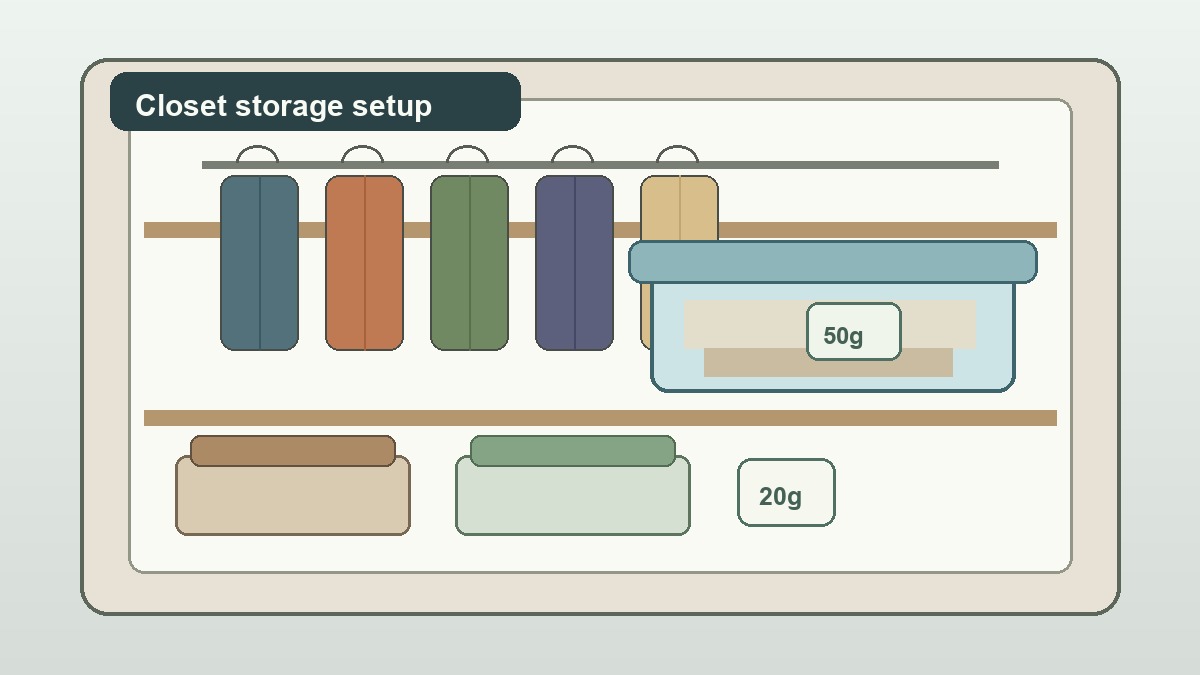
A small shoe box or accessory box may need only a small packet. A medium closet bin may need more capacity or packets placed in separate areas. A large seasonal tote, loose-lid container, or frequently opened bin should be checked more often and may need additional active desiccant.
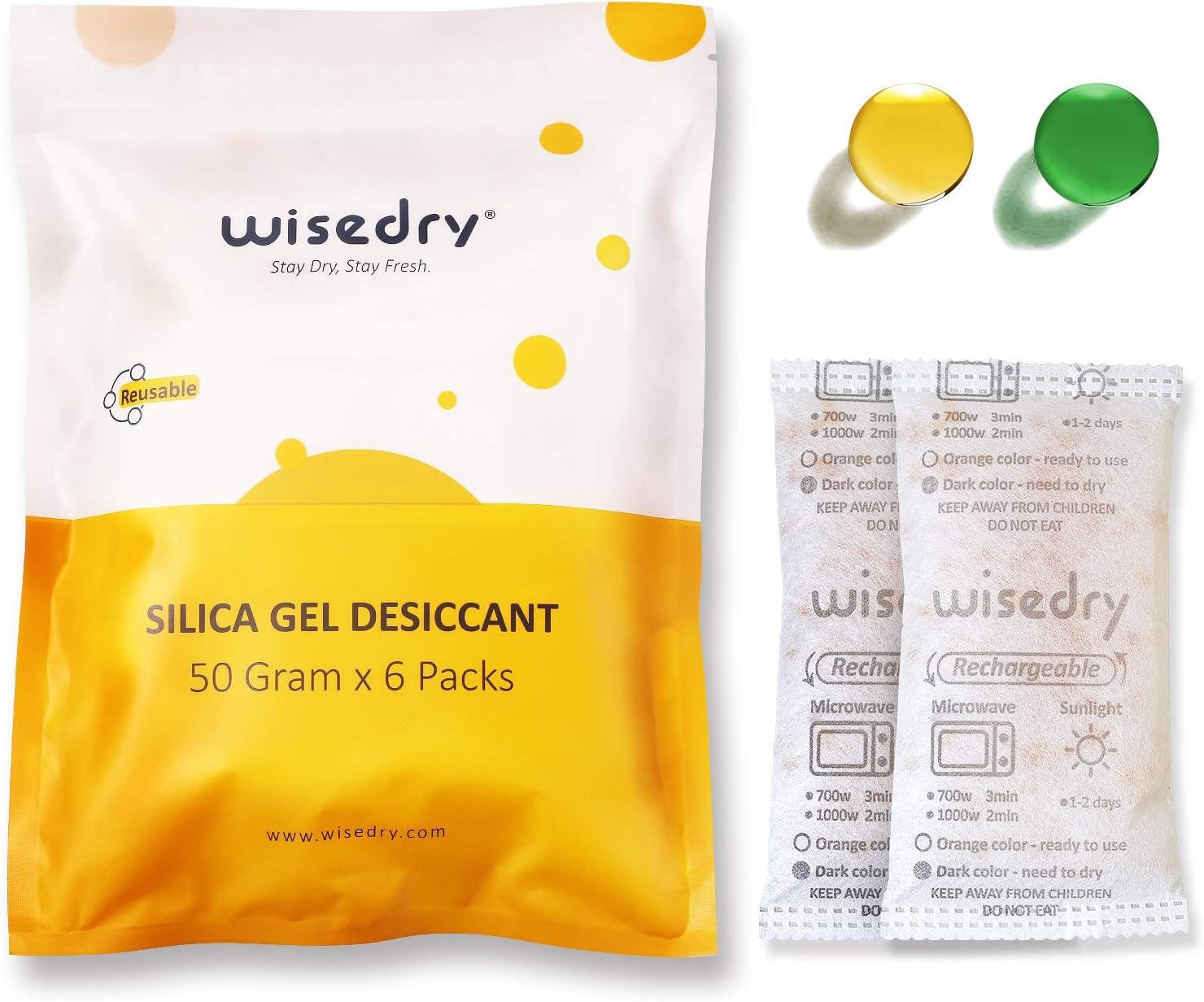
Need reusable packets for a closet-container setup? Shop Wisedry rechargeable desiccants.
First, Define The Container
The word “closet” can describe many storage setups. Silica gel is most predictable when the storage space is actually enclosed.
Good candidates include:
- Plastic lidded bins.
- Under-bed storage containers.
- Shoe boxes with reasonably closed lids.
- Keepsake boxes.
- Drawer organizers with covers.
- Seasonal storage totes.
- Small sealed accessory containers.
Less predictable setups include:
- Open closet shelves.
- Hanging garment bags that are breathable or frequently unzipped.
- Fabric cubes with large openings.
- Vented laundry baskets.
- A whole walk-in closet.
- Containers sitting near an active leak, wet wall, or damp floor.
If the space is open to the room, silica gel packets may saturate quickly because they are exposed to a much larger air volume. In that case, improve the room environment or use a truly closed storage container before increasing packet count.
The Five Factors That Change The Amount
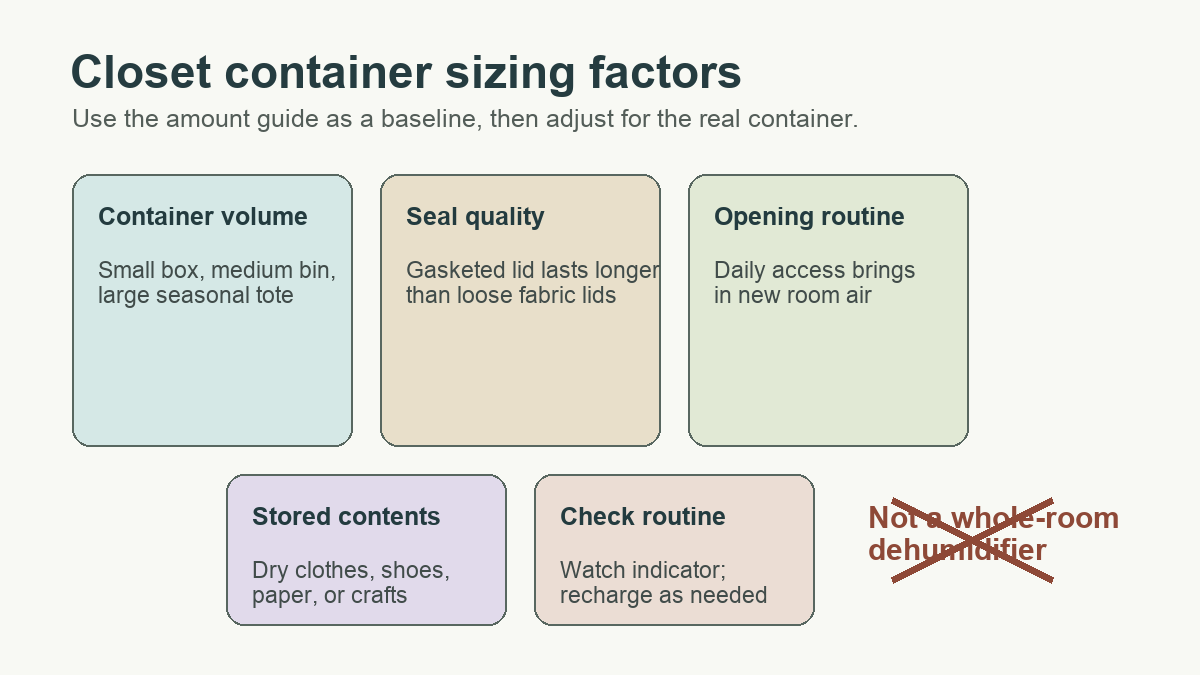
Use the amount guide as the baseline, then adjust for five real-world factors.
- Container volume
A small shoe box, a medium closet bin, and a large seasonal tote contain very different air volume. Larger containers usually need more desiccant capacity.
- Seal quality
A gasketed or tightly latched lid generally holds a dry setup better than a loose snap lid, warped lid, fabric lid, or box with gaps.
- Opening routine
Every opening brings in new room air. A seasonal bin opened twice a year behaves differently from a shoe-care box opened every few days.
- Stored contents
Clothes, shoes, paper, cardboard, fabric organizers, and craft materials should go in dry. Silica gel is storage support, not the main way to dry wet items.
- Check routine
Indicator behavior tells you whether the starting amount is enough for your actual setup. Fast saturation means you should inspect the container and contents before simply adding more packets.
A Simple Sizing Method
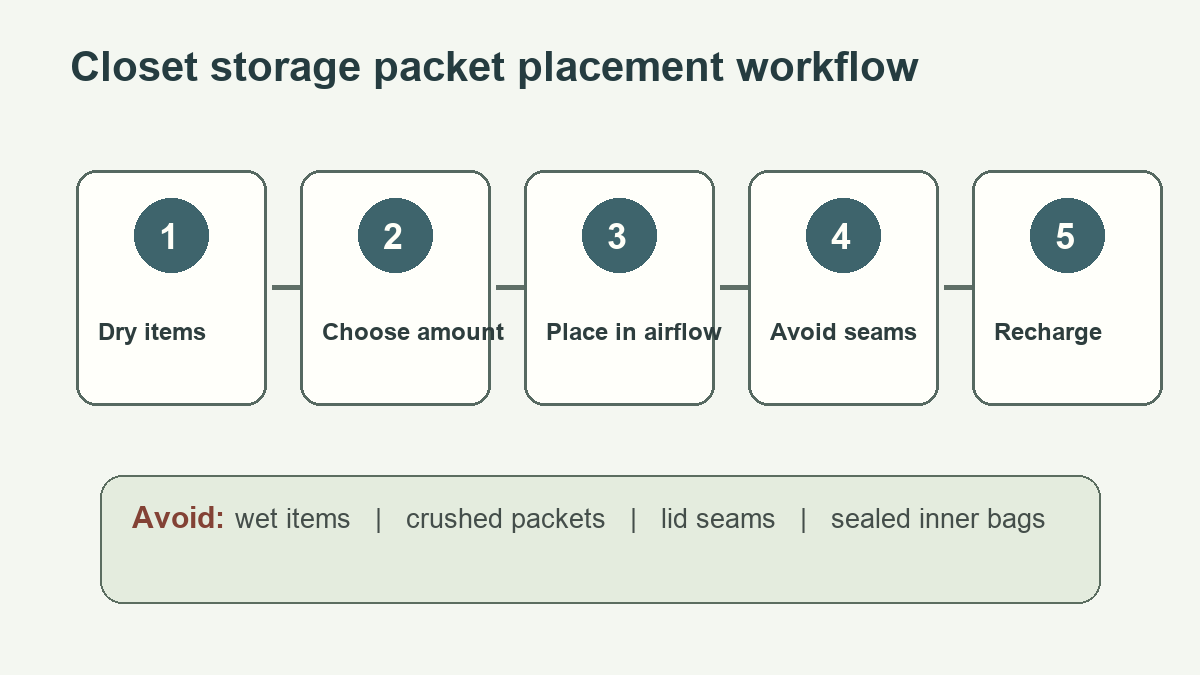
Use this setup process for a closed closet storage container:
- Empty the container and make sure it is clean and dry.
- Confirm the stored items are dry before sealing them inside.
- Estimate the inside length, width, and height of the usable space.
- Use the amount guide to choose an initial packet amount for that volume.
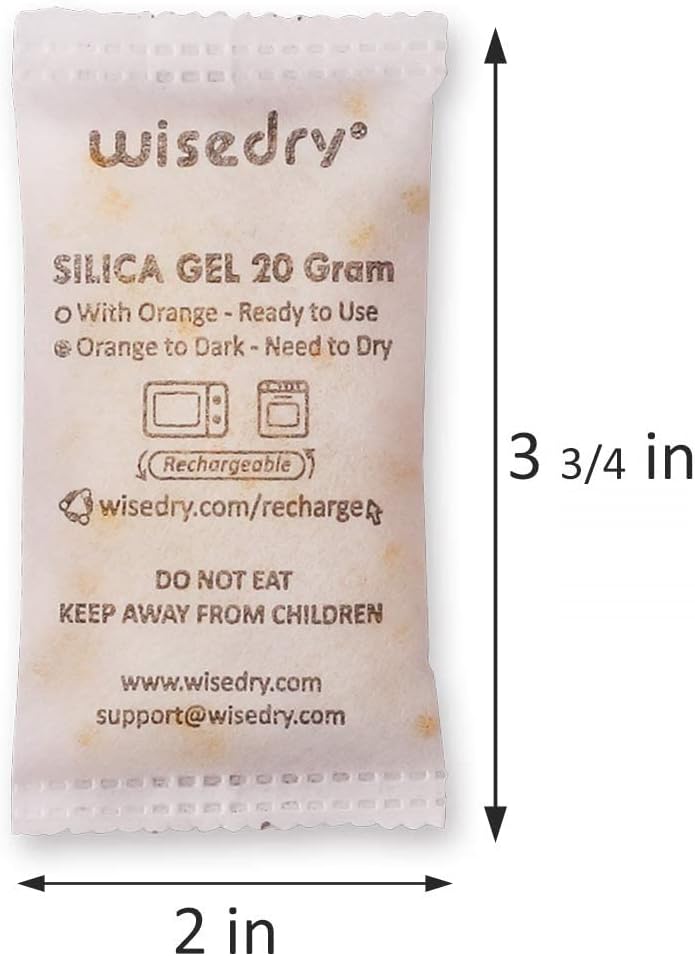
- Choose packets that fit without being crushed.
- Place packets where air can circulate.
- Close the lid fully and keep packets out of the lid seam.
- Check the indicator after real use and adjust one variable at a time.
For plastic tubs and storage totes, the related plastic storage bin amount guide goes deeper on loose lids, stacked contents, and larger bin volume.
Small Closet Containers
Small closet containers include shoe boxes, accessory boxes, jewelry organizers, scarf boxes, small craft boxes, and keepsake containers.
For a small container:
- Use a packet that fits easily without pressure.
- Keep it inside the same enclosed air space as the stored items.
- Place it in a corner, tray, or breathable pouch.
- Keep it visible enough to check.
- Avoid pressing it against delicate surfaces, paper edges, leather, polished hardware, or fabric that could snag.
The main risk in a small container is not usually raw capacity. It is poor placement. A packet hidden under heavy items, sealed inside an inner plastic bag, or pressed into the lid edge may not support the space well.
Medium Closet Bins
Medium closet bins are common for seasonal shirts, small linens, craft supplies, photo boxes, shoes, and household accessories. They often benefit from spreading packets instead of placing everything in one corner.
For a medium container:
- Start from the amount guide rather than guessing by packet count.
- Use separate placement points if the bin is wide or layered.
- Keep one packet near the top so checks are easy.
- Leave some air space around each packet.
- Label the date the packet was added or recharged.
If the bin is opened weekly, stored in a humid closet, or filled with fabric and cardboard, check the indicator sooner during the first storage cycle.
Large Seasonal Totes
Large closet totes hold more air and more material. They are also more likely to be overfilled, stacked, or stored for months.
For a large tote:
- Use larger-capacity packets or multiple packets sized to the container.
- Spread packets across the top, sides, or separate layers.
- Keep packets away from lid seals, hinges, latches, and heavy pressure points.
- Do not seal damp clothes, wet shoes, or recently washed items inside.
- Check after the first few weeks or after the first seasonal cycle.
If packets saturate quickly in a large tote, check the lid and the storage location. A loose lid or humid storage area can matter more than a small increase in packet count.
Fabric Cubes, Garment Bags, And Open Shelves
Fabric cubes and garment bags need careful expectations. Many are breathable by design, which means the desiccant is exposed to room air. In an open or breathable storage setup, silica gel can saturate faster and may not create a stable closed-container environment.
Use silica gel in these setups only when the packet is inside a smaller enclosed box, pouch, or lidded container within the closet. If the goal is to manage a whole closet, address room ventilation, leaks, wet items, and general humidity first. Do not keep adding packets to an open shelf and expect them to act like a powered dehumidifier.
Where To Place Packets
Good placement lets the packet share air with the items while staying easy to inspect.
Good locations include:
- A visible corner inside the container.
- A shallow tray or small breathable pouch.
- A mesh pocket that opens into the same container.
- Near the top layer of a deep tote.
- Separate corners in a wide bin.
- A shoe box corner away from direct pressure.
Avoid placing packets:
- Outside the container.
- Under heavy stacks of clothes.
- Across a lid seal, latch, hinge, or zipper path.
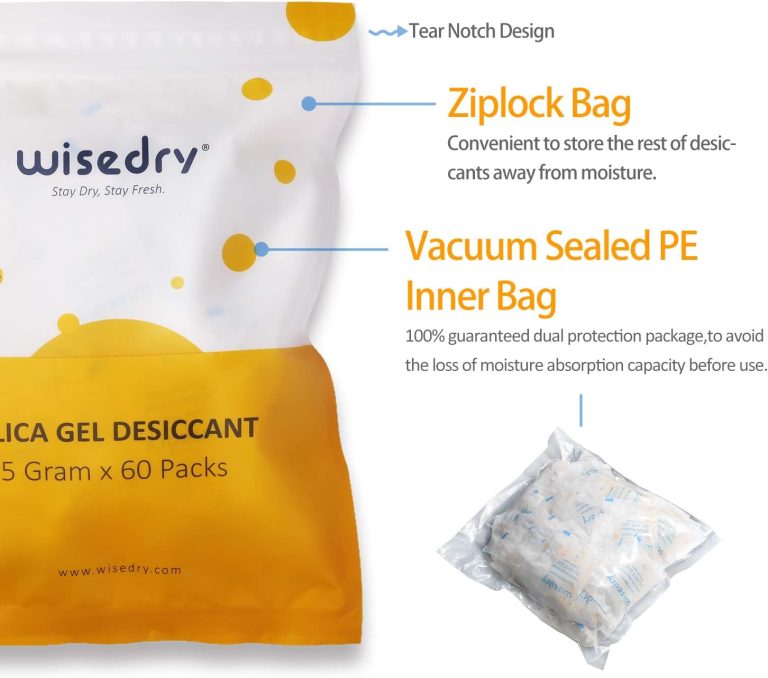
- Inside a sealed inner bag that does not share air with the container.
- Against wet shoes, damp fabric, or spill-prone items.
- Pressed directly into delicate surfaces, photos, paper edges, leather, screens, or polished hardware.
For more examples, see where not to place desiccant packs.
Check The Seal Before Adding More
If silica gel changes indicator color quickly, inspect the container before assuming the only answer is more desiccant.
Look for:
- A lid that does not sit flat.
- Corners that pop open after the bin is filled.
- Overfilled contents pushing against the lid.
- Cracked, warped, or bent plastic.
- Fabric lids or loose covers that allow constant air exchange.
- A container stored against a damp wall or floor.
You can run simple container seal checks before changing packet amount.
How Often Should You Check?
Check more often at the beginning. After you understand how fast the packet reaches its recharge condition in that exact container, you can set a more practical routine.
Check sooner when:
- The container is opened often.
- The closet is in a humid room, basement, garage, RV, boat, or seasonal storage area.
- The lid is flexible, fabric, loose, or frequently disturbed.
- The contents include paper, cardboard, fabric organizers, shoes, or recently moved items.
- The indicator changes faster than expected.
If you use rechargeable Wisedry packets, follow the Wisedry recharge hub and the product-specific instructions when the product indicates saturation. Let recharged packets cool as directed before placing them back with stored items.
Fast Saturation Checks
If the packet reaches its recharge condition quickly, use this checklist:
- Confirm the container was dry before setup.
- Confirm the clothes, shoes, paper, or supplies were dry before storage.
- Check whether the lid closes fully.
- Move packets out from under heavy items.
- Reduce opening frequency if possible.
- Use a container with a better seal if the current one is loose or breathable.
- Increase packet amount only after the container and contents make sense.
- Recharge or replace saturated packets according to product instructions.
Do not seal damp clothing, wet shoes, musty fabric, visible mold, soaked paper, or items affected by leaks inside a closed container and expect silica gel to solve the underlying moisture problem. Dry the items and fix the moisture source first.
Common Mistakes
Avoid these closet-container mistakes:
- Treating silica gel as a whole-closet dehumidifier.
- Using one tiny packet in a large seasonal tote and never checking it.
- Packing the container so tightly that packets are crushed.
- Letting a packet block the lid seal.
- Storing damp or recently washed items before they are fully dry.
- Putting packets in sealed inner bags where they cannot share air with the container.
- Copying the same setup across every box without considering size, seal, and opening routine.
FAQ
Can I Put Silica Gel In A Closet?
Silica gel works best inside a closed container, not as a whole-closet treatment. For an open closet, first address room humidity, ventilation, leaks, damp items, and storage location. Use silica gel inside sealed boxes, bins, or smaller containers within the closet.
How Much Silica Gel Do I Need For Seasonal Clothes?
Start from the container volume, not the clothing category. A small sealed sweater box and a large loose-lid tote need different setups. Use the amount guide for the baseline, store only dry clothes, and check the indicator during the first storage cycle.
Should I Use One Large Packet Or Several Smaller Packets?
Either can work if the active amount fits the container. Several smaller packets are easier to spread in a wide or layered bin. One larger packet may be simpler in a compact container with enough space. Keep every packet uncrushed and easy to inspect.
Can Silica Gel Remove Musty Smells From Stored Clothes?
Do not use silica gel as the main fix for musty or damp clothing. Wash, dry, air out, or handle the item according to its care instructions before closed storage. Silica gel is better used as support after the container and contents are already dry.
Should Packets Touch Clothes Or Shoes?
Direct contact is not required. Place packets in the same enclosed air space, but avoid pressure against delicate fabric, leather, photos, paper, polished hardware, or surfaces that could snag.
Why Did The Indicator Change So Quickly?
Fast indicator change may mean the packet is taking up moisture, but it can also point to damp contents, a loose lid, frequent openings, a humid closet, or too little desiccant for the container. Check the setup before only adding more packets.
Final Takeaway
The right amount of silica gel for a closet storage container starts with container volume, then changes with seal quality, opening routine, stored contents, and indicator behavior. Use active packets, place them where air can reach them, keep them away from seams and pressure points, and check the setup after real use.
For product-specific help, start with the Wisedry silica gel amount guide, review the Wisedry recharge hub, or contact Wisedry support.