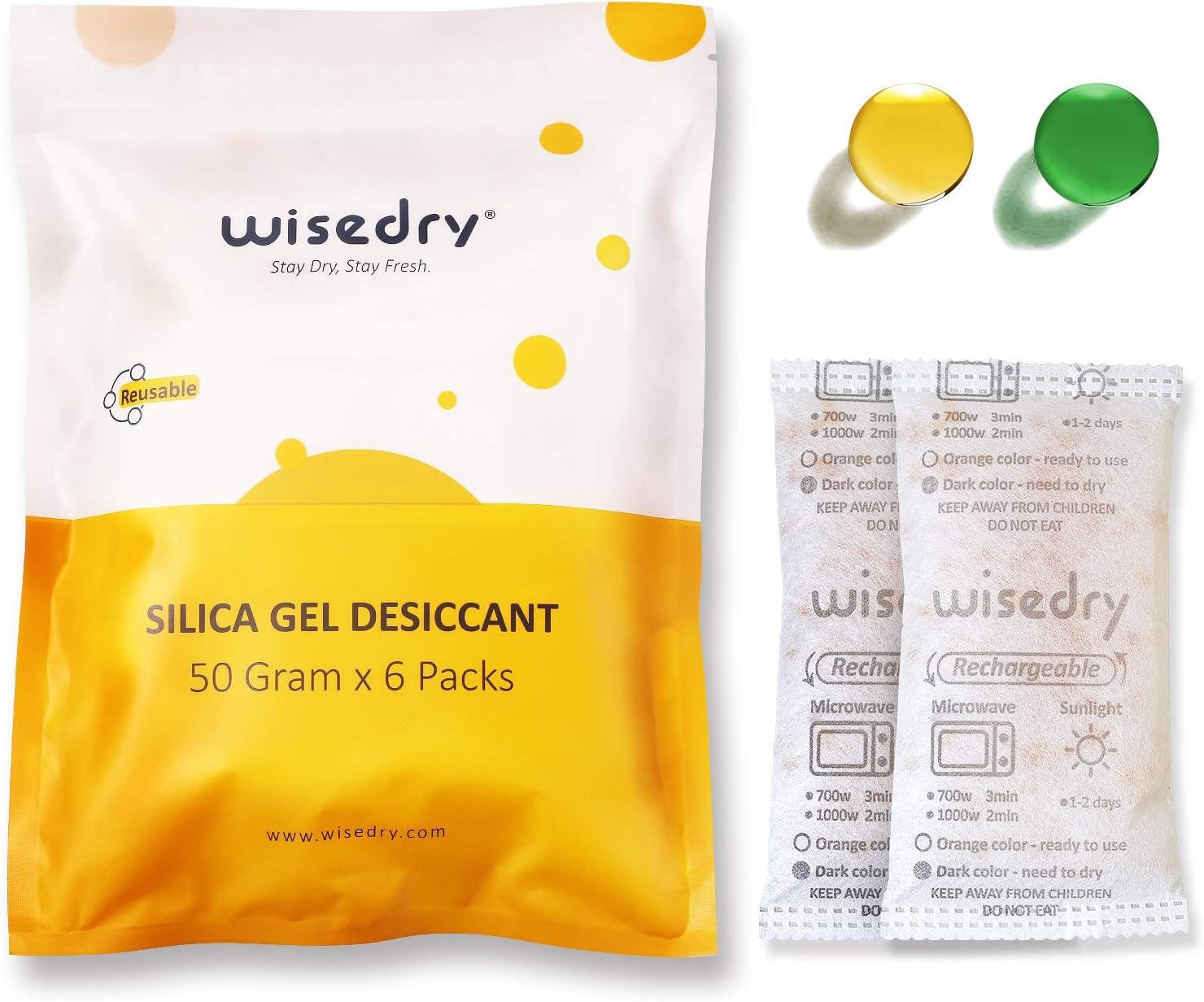
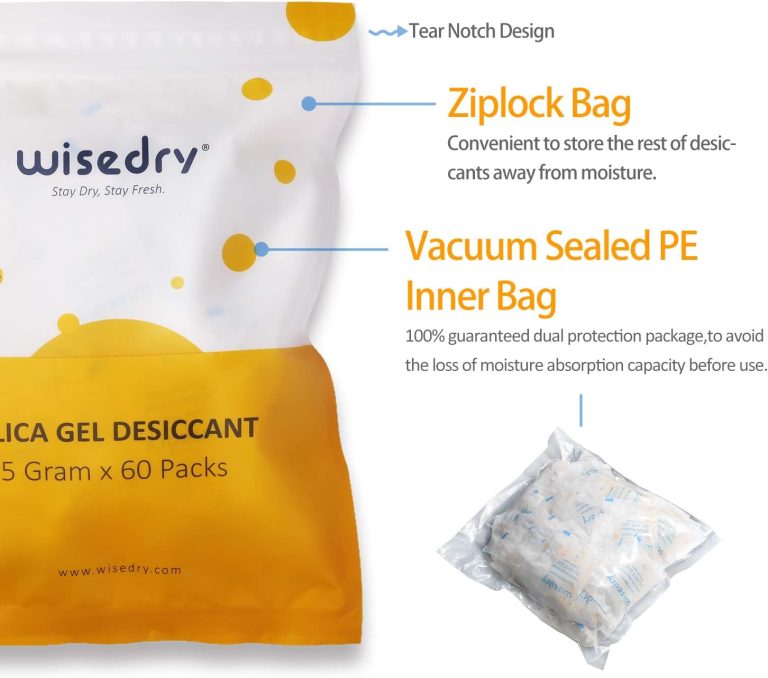
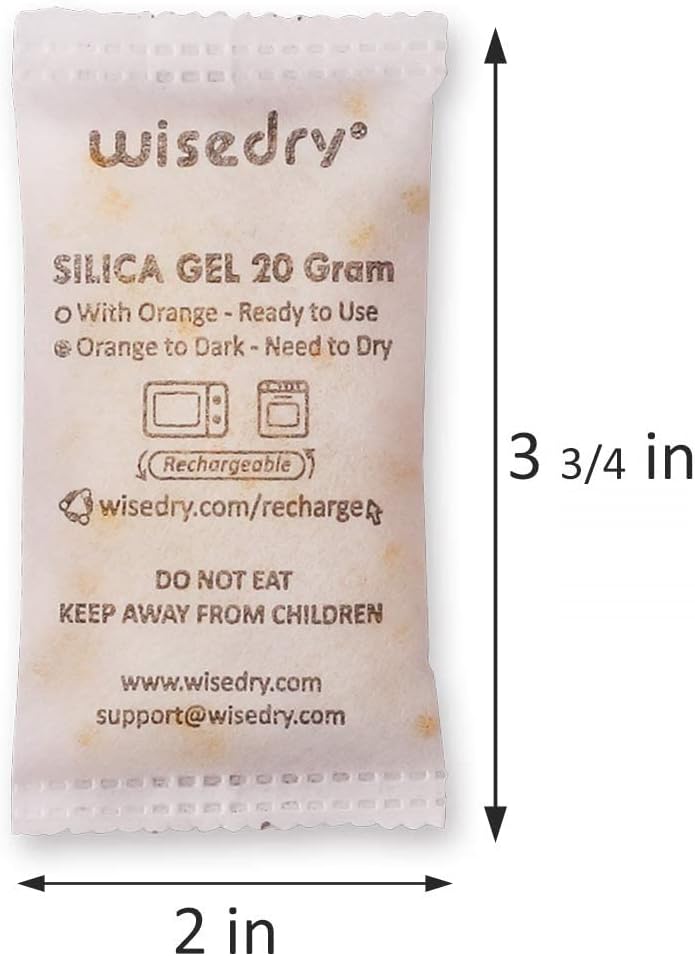
Small enclosed spaces are exactly where silica gel packets can be useful, but the amount matters. One tiny packet may be fine for a lens pouch and too little for a storage bin. A large packet may fit a shelf or cabinet, but it should not be forced into a tight document box where it presses against paper or blocks the lid.
The practical answer is to start with the size of the container, then adjust for seal quality, humidity, how often the container is opened, and how quickly the silica gel becomes saturated.
This guide gives simple starting points for small safes, document boxes, keepsake boxes, craft bins, and general storage containers. It is meant for dry storage support, not for drying wet items, fixing leaks, or guaranteeing a specific humidity level.
Quick Answer
For a small closed container, use enough silica gel to share the same enclosed air space as the stored items, place it where air can circulate, and check it regularly. A small document box or lens-sized case may only need a small packet. A small home safe, craft bin, or storage box may need several packets spread across corners or shelves. A larger or frequently opened space needs more desiccant and more frequent checking.
If you want a broader sizing reference, use the full Wisedry silica gel amount guide as your main starting point, then use the container-specific tips below to place and monitor the packets.
The Simple Sizing Method
Use this order when choosing silica gel for a small enclosed space:
- Estimate the container size.
- Check how well the container seals.
- Think about how often it will be opened.
- Choose a packet size that fits without pressure.
- Place packets where air can circulate.
- Check the indicator or recharge schedule after real use.
The first setup is only a starting point. If the packet saturates quickly, the container smells damp, or the items still feel exposed to humidity, use more desiccant, improve the seal, reduce how often the container is opened, or move the items to a better storage space.
How Much Silica Gel For A Small Safe?
A small home safe usually has more air space than a document pouch, but less airflow than an open cabinet. It may also be opened irregularly, which makes checking easy to forget.
For a small safe:
- Use more than one small packet if the safe has multiple shelves or compartments.
- Spread packets across the space instead of stacking them in one corner.
- Put packets on shelves, in corners, or in a shallow tray.
- Keep packets away from hinges, locks, bolts, and door seals.
- Do not press packets directly into paper documents, screens, leather, jewelry, watches, or polished surfaces.
If the safe has a poor seal, is opened often, or sits in a humid room, expect to check or recharge packets more often. If you see condensation, standing water, or damp contents, silica gel is not the first fix. Dry the safe, address the moisture source, and then use silica gel as storage support.
Need packets for small enclosed spaces? Shop rechargeable silica gel packets.
How Much Silica Gel For A Document Box?
Document boxes need gentle placement. Paper can bend, mark, or absorb odors from the surrounding space, so silica gel should help control moisture without being crushed against important papers.
For a document box:
- Use a packet that fits in a corner, sleeve, tray, or breathable pouch.
- Keep the packet visible enough to check.
- Do not wedge packets between certificates, photos, stamps, old letters, or paper edges.
- Use a folder, divider, or small tray if you need separation.
- Replace or recharge the packet when it is saturated according to its indicator or product instructions.
If old documents already smell musty, feel damp, or show visible damage, do not rely on silica gel alone. Separate affected materials and use appropriate conservation or cleaning guidance for the item type.
How Much Silica Gel For A Storage Box?
Storage boxes vary a lot. A small plastic bin for craft supplies is different from a large seasonal storage tote. The bigger the box, the more air volume and contents the desiccant has to support.
For a small storage box:
- Start with one packet in a visible corner if the box is compact and tightly closed.
- Add a second packet if the box is taller, opened often, or stored in a humid room.
- Use separate packets in different corners for better coverage.
- Keep packets above spill-prone areas and away from sharp objects.
- Label the box with the date you added or recharged the packet.
For a larger bin, use the full Wisedry silica gel amount guide rather than guessing from a small-box setup.
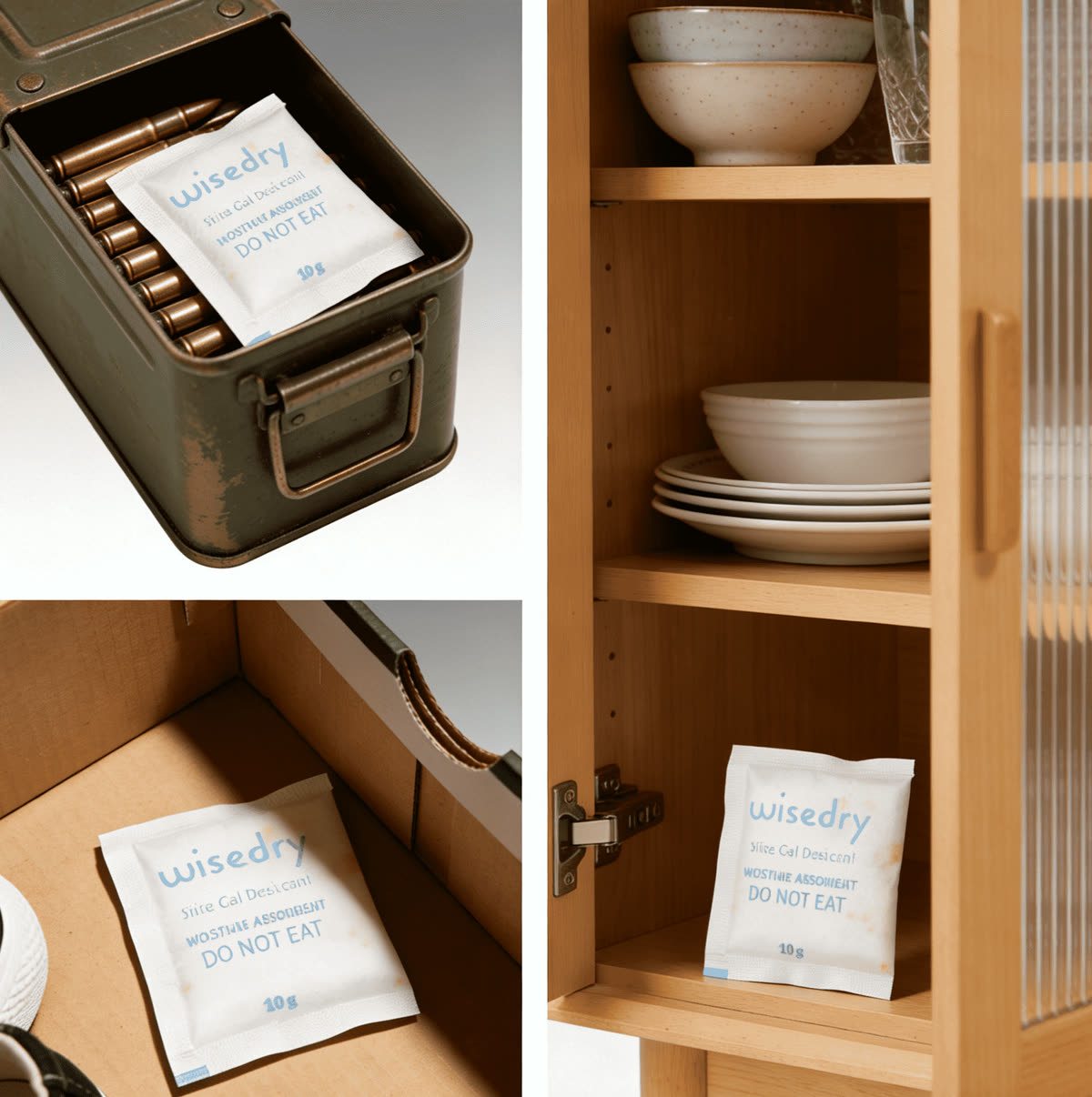
Packet Size: Small, Medium, Or Large?
Choose the packet size that fits the container without pressure and gives enough capacity for the space.
Small packets are useful for:
- Lens pouches.
- Jewelry boxes.
- Small craft containers.
- Compact keepsake boxes.
- Small accessory cases.
Medium packets are useful for:
- Camera bags.
- Small safes.
- Document boxes.
- Storage bins.
- Cabinets with limited air space.
Larger packets are useful for:
- Larger storage tubs.
- Bigger cabinets.
- Closets or enclosed storage areas.
- Spaces opened frequently.
- Situations where smaller packets saturate too quickly.
For Wisedry 20g, 50g, and 112g packets, follow the recharge instructions for Wisedry 20g, 50g, and 112g packets when the product indicates it is saturated. For other Wisedry products, start from the Wisedry recharge hub.
How Seal Quality Changes The Amount
Two containers with the same size can need different amounts of silica gel because they do not seal the same way.
A better-sealed container usually lets silica gel work longer between checks. A loose-lid bin, fabric bag, vented box, or frequently opened safe lets humid air enter more often, so the packet may saturate sooner.
Use more desiccant or check more often when:
- The lid is loose.
- The container is opened every day.
- The room is humid.
- The container is stored in a garage, basement, bathroom, boat, RV, or seasonal space.
- The stored items were recently moved from a humid area.
- The packet changes color or reaches saturation quickly.
Use less only when the container is compact, dry, well sealed, and easy to monitor.
Placement Matters As Much As Amount
The right amount will not help much if every packet is buried under heavy contents or sealed inside a separate pouch that does not share air with the container.
Good placement:
- Inside the same closed container as the stored items.
- Near the items, but not pressed against delicate surfaces.
- In a corner, tray, mesh pocket, shelf, or breathable pouch.
- Visible enough to inspect.
- Clear of hinges, latches, locks, zippers, and seals.
Poor placement:
- Outside the box or safe.
- Under heavy items.
- Between fragile paper documents.
- Against glass, screens, or polished surfaces.
- Inside a fully sealed pouch within the container.
- In a place where the packet can tear, snag, or spill.
How To Tell If You Need More Silica Gel
You may need more desiccant, better sealing, or more frequent recharging if:
- The packet becomes saturated quickly.
- The container is opened often.
- The storage area is humid.
- The container still smells damp after it has been cleaned and dried.
- Paper feels limp or storage contents feel exposed to moisture.
- You are protecting a larger space than the packet was meant for.
Do not keep adding packets to ignore an active moisture problem. If there is a leak, condensation, wet contents, or visible mold, fix the source first.
How Often Should You Check The Packet?
Check more often at the beginning. After you know how fast the packet saturates in that exact container, you can settle into a more predictable routine.
Check after:
- The first few days in a new container.
- A humid week.
- Rainy travel or seasonal storage changes.
- Opening the box many times.
- Moving the container from one room to another.
- Any visible indicator change.
- Any damp smell or moisture concern.
If the packet is rechargeable, follow the product instructions before reuse. If the packet is single-use or damaged, replace it instead of heating it.
Common Mistakes
Mistake 1: Using One Tiny Packet For A Large Box
A tiny packet can be useful in a small case, but it may saturate quickly in a larger bin or safe. Use the container size and real checking behavior to decide whether you need more.
Mistake 2: Putting Every Packet In One Corner
One corner may be convenient, but spread packets across shelves or opposite corners when the space is larger. This makes checking easier and helps avoid dead zones.
Mistake 3: Forgetting To Recharge
Silica gel has limited capacity. If it is saturated, placement and amount matter less. Watch the indicator system for your product and recharge or replace as instructed.
Mistake 4: Using Silica Gel As A Leak Fix
Silica gel is not a substitute for fixing a wet box, leaking safe, damp room, or water-damaged item. Dry the space and solve the source of moisture first.
Mistake 5: Letting Packets Damage Stored Items
Packets should not scratch, press, stain, snag, or block the container. Use a pouch, divider, tray, or shelf placement when the stored items are delicate.
Quick Setup Checklist
Before closing the box, safe, or container:
- The contents are dry before storage.
- The container is clean and reasonably sealed.
- The packet is inside the same air space as the items.
- The packet is not pressed against fragile surfaces.
- Air can move around the packet.
- The packet is visible enough to check.
- Children and pets cannot access it.
- You know whether the packet should be recharged or replaced when saturated.
FAQ
Can I Use Too Much Silica Gel?
Using more than the minimum is usually less of a problem than using too little, but the packet still needs safe placement. Do not overfill a tight container, crush packets, block seals, or press desiccant against delicate items.
Should Silica Gel Go On The Top Or Bottom Of A Storage Box?
Either can work if the packet shares the same air space and air can circulate. For taller containers, using packets in more than one location is often more practical than putting everything at the bottom.
Does A Small Safe Need One Packet Or Several?
It depends on the safe size, seal, humidity, and how often it is opened. A compact safe may work with one appropriately sized packet, while a safe with shelves or frequent opening may need multiple packets spread across the space.
Can Silica Gel Protect Paper Documents?
Silica gel can support dry storage conditions in a closed document box, but it does not guarantee document preservation or reverse existing damage. Keep packets separated from paper edges, photos, certificates, and delicate materials.
How Do I Know When To Recharge Wisedry Packets?
Follow the indicator and instructions for the specific Wisedry packet you use. Start with the Wisedry recharge hub or the product-specific recharge guide linked above.
Final Takeaway
For a small safe, document box, or storage box, start with a packet size that fits comfortably, place it inside the same enclosed air space, keep it visible, and check it after real use. Use more desiccant when the container is larger, opened often, loosely sealed, or stored in a humid area.
For larger containers or uncertain sizing, use the full Wisedry silica gel amount guide. For product questions, contact Wisedry support.