Holiday decorations often spend most of the year inside a tote, closet, cabinet, attic, or basement storage area. A small amount of moisture can enter when the container is opened, when items are packed before they are fully dry, or when the lid does not seal well. Silica gel can help manage that moisture load inside a closed container, but it works best as part of a simple packing routine—not as a substitute for drying wet items or fixing a leaky storage area.
This guide explains how to use reusable silica gel with ornaments, lights, ribbons, fabric decorations, wreath accessories, and similar seasonal items. The goal is a setup that is easy to inspect when you pack the decorations away and easy to restart when the next holiday season arrives.
Quick Answer
Start with decorations that are clean and completely dry. Choose a container with a lid that closes evenly, arrange the contents so air can move around the desiccant, and place silica gel packets where they remain visible and are not crushed under heavy items. Use the Wisedry Amount Guide to choose a practical starting amount based on container volume and conditions.
Label the container with the packing date and packet location. Check the silica gel indicator and the container seal during storage, especially after the bin has been opened. Recharge the packets according to their product instructions when the indicator reaches its recharge condition, let them cool fully, and return them to the same accessible position.
1. Pack Only Clean, Dry Decorations
Silica gel is designed to adsorb moisture from the air inside a container. It should not be expected to dry a wet wreath, damp fabric, recently washed stocking, or decoration that was packed outdoors in rain or snow.
Before packing:
- let washed fabric decorations dry completely;
- wipe dust from hard ornaments and allow any cleaning moisture to evaporate;
- remove batteries from battery-powered decorations when the manufacturer recommends doing so for storage;
- make sure outdoor lights, hooks, cords, and clips are dry;
- discard damp cardboard inserts that have lost their shape;
- keep any item with an unusual residue or unknown condition out of the shared bin until it can be assessed separately.
This first step matters more than adding extra packets later. If a visibly damp item goes into a closed tote, the moisture load can quickly use up the silica gel capacity.
2. Choose A Container That Closes Evenly
A rigid plastic tote with an intact lid usually gives silica gel a more manageable space than an open cardboard box. The container does not need to be laboratory airtight, but the rim should be clean, the lid should sit evenly, and every latch should close without a gap.
Run a quick inspection before loading the bin:
- Wipe the rim and lid channel.
- Look for cracks, warped corners, or damaged latches.
- Close the empty container and press gently around the perimeter.
- Confirm that no section lifts more easily than the others.
- Replace the container if the lid cannot remain seated.
For a more detailed process, use the guide to checking a container seal without special tools.
Cardboard boxes can still be useful for short-term sorting or for keeping individual ornaments separated inside a larger tote. However, cardboard exchanges air more readily and can absorb moisture itself, so it is not the same moisture-control environment as a closed plastic container.
3. Group Decorations By Material And Handling Needs
Do not build one tightly packed layer simply because everything belongs to the same holiday. Grouping items by material and weight makes both the decorations and the desiccant easier to inspect.
A practical arrangement might include:
- Bottom zone: sturdy plastic items, stands, and boxed components;
- Middle zone: individually wrapped ornaments and divided trays;
- Top zone: lightweight ribbons, fabric accents, and clearly labeled small parts;
- Accessible side zone: reusable silica gel packets and the container label.
Keep fragile ornaments away from heavy stands or bundled lights that can shift. Use dividers or original packaging where available. Silica gel packets should sit in open airspace rather than being squeezed inside wrapping paper or buried under a dense bundle of fabric.
If one tote contains very different materials, consider using smaller internal boxes with their own labels. That makes it easier to remove one group without exposing every item and every desiccant packet to room air.
4. Select A Starting Amount For The Actual Bin
There is no useful one-size-fits-all packet count for every holiday decoration container. The starting amount depends on:
- the internal volume of the tote;
- how well the lid seals;
- how often the container will be opened;
- the moisture already carried by the stored materials;
- the humidity of the storage location;
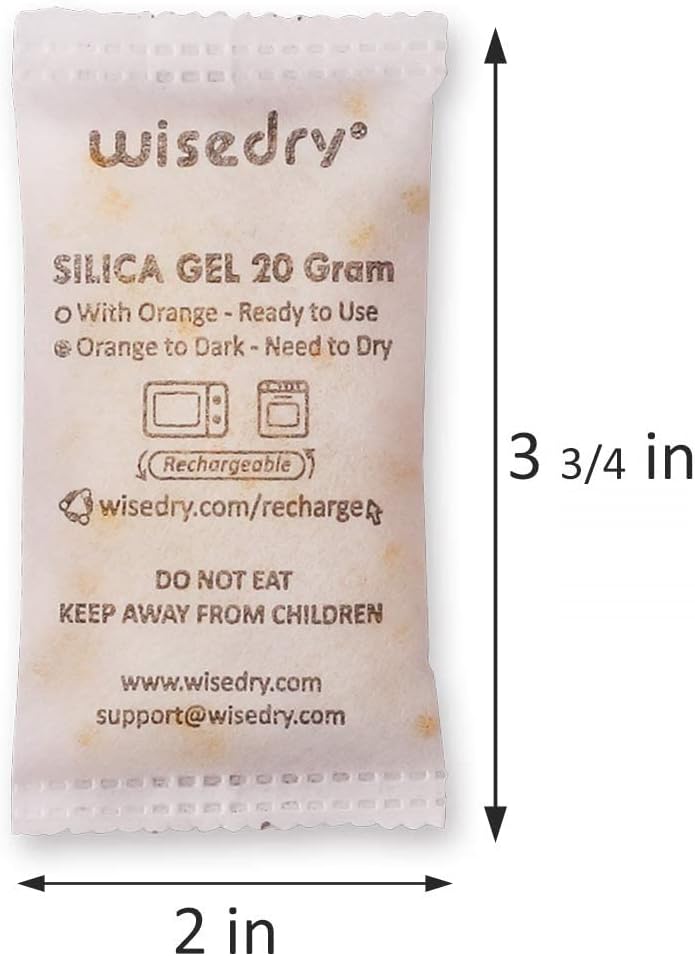
- the size and format of the silica gel packets.
Measure the usable container dimensions and consult the Wisedry silica gel Amount Guide. Treat the result as a starting point. The indicator and your real checkup history should guide later adjustments.
More packets cannot compensate indefinitely for a damaged lid or damp contents. If the indicator reaches its recharge condition unusually quickly, inspect the container and its contents before automatically increasing the amount.
5. Place Packets Where Air Can Reach Them
Silica gel does not need to touch every ornament. It needs exposure to the air inside the closed container.
Good positions include:
- along an inside wall near the top of the contents;
- inside a ventilated accessory tray;
- in a clear, open pocket that does not block the packet surface;
- in two separated open zones when the tote is long or divided;
- beside the container label so the packet is easy to find at the next check.
Avoid these placement mistakes:
- under a heavy decoration stand;
- inside a sealed ornament box that is itself placed in a much larger tote, unless that small box is the intended treatment space;
- wrapped inside tissue paper;
- pressed against sharp hooks, wire ends, or rough metal edges;
- wedged into the lid channel;
- placed where opening the lid can pull, pinch, or tear the packet.
The packet should remain intact, visible, and easy to remove for inspection or recharge. If a sachet is damaged, stop using it and follow the product instructions or contact Wisedry Support rather than returning it to the bin.
6. Label The Container Before It Goes Into Storage
A short label prevents guesswork months later. Record only the details that help you make the next decision:
- container name or number;
- packing date;
- silica gel packet size and quantity;
- packet location inside the bin;
- indicator condition at packing;
- next planned check;
- any item that must be inspected before reuse.
For multiple seasonal bins, use a consistent naming system such as Holiday Lights 1, Tree Ornaments 2, or Entry Decorations 1. The label makes it easier to rotate packets without opening every container to search for them.
Keep ready-to-use packets in a separate sealed container rather than loose on an open shelf. The guide to storing unused silica gel packets between projects explains how to keep ready and spent packets from being mixed together.
7. Close The Bin Without Blocking The Seal
Before latching the lid, check the entire rim. Ribbon, tissue paper, string-light wire, fabric, and ornament hangers can all cross the seal without being obvious.
Use this final packing sequence:
- Confirm every item is below the lid line.
- Move loose fabric and cords away from the rim.
- Confirm the silica gel packet is not in the latch path.
- Close the lid from one side to the other.
- Engage every latch.
- Check all four corners.
- Add the external label without covering a latch or seam.
Do not tape over a damaged lid as though the tape has restored the original seal. If the container cannot close evenly, move the contents to a sound container.
8. Set A Realistic Checkup Routine
A seasonal bin does not always need frequent opening. Every opening exchanges inside air with the room and can add a new moisture load. Check the container when there is a reason to do so, such as:
- the first few weeks after packing a new setup;
- after moving the bin to a different storage area;
- after a leak, spill, or major humidity event nearby;
- after the lid was opened to retrieve one item;
- when the silica gel indicator is due for inspection;
- before the next holiday season.
During a check, look at the packet indicator, lid seating, and contents without leaving the tote open longer than necessary. If everything is dry and the packet has not reached its recharge condition, close the container again. Avoid recharging only because a calendar date has arrived; follow the product-specific indicator and instructions.
9. Recharge, Cool, And Return Packets Correctly
When a reusable packet reaches its recharge condition, remove it from the decoration bin and follow the applicable Wisedry instructions. Packet sizes and product formats can have different procedures, so use the relevant guide in the Wisedry recharge hub.
After recharging:
- let the packet cool fully before putting it into a closed tote;
- confirm the packet is intact;
- update the container label or log;
- return the packet to its original accessible position;
- close and latch the bin again.
Do not place a warm packet directly against plastic ornaments, delicate finishes, ribbon, or fabric. Cooling is part of the workflow, not an optional waiting period.
10. Unpack With Next Season In Mind
When the holiday returns, open one container at a time. Remove the silica gel packet before moving heavy contents, then inspect the packet and set it in a clearly labeled ready or recharge area.
As you unpack:
- keep packing dividers and labels with their original container;
- note any lid or latch that no longer closes correctly;
- allow cold items to reach room conditions before repacking them later;
- replace wet, crushed, or stained packing material;
- update the inventory if decorations move to a different bin.
A few notes made during unpacking can save time at the end of the season. The best storage routine is one you can repeat without reconstructing it from memory.
Common Holiday Decoration Storage Mistakes
Packing directly after outdoor use
Outdoor decorations may feel dry while still holding moisture in cords, fabric folds, bases, or connectors. Give them enough time in a clean, dry area before packing.
Hiding the packet under the contents
A packet that cannot be seen is easy to forget and may be crushed. Keep it in an open, accessible zone.
Treating every tote the same
A small ornament box, a large light-storage tote, and a fabric-decoration bin have different volumes and moisture loads. Size and check them separately.
Leaving the lid partly latched
One open corner can increase air exchange. Check every latch before the container goes onto a shelf.
Storing extra packets loose in the cabinet
Silica gel begins adsorbing moisture whenever it is exposed to room air. Keep unused dry packets sealed and labeled between projects.
Adding more silica gel without checking the cause
Fast indicator change can point to frequent opening, a weak seal, or damp contents. Diagnose the setup before increasing the amount.
Frequently Asked Questions
Can I put silica gel directly beside Christmas ornaments?
Yes, if the packet remains intact and cannot rub against delicate finishes, be crushed, or catch on hooks. A small open side zone or ventilated tray is usually easier to inspect than direct contact with fragile ornaments.
How many silica gel packets should I use in a holiday storage tote?
Base the starting amount on the tote volume, seal quality, opening frequency, storage conditions, and packet size. Use the Wisedry Amount Guide rather than applying one packet count to every container.
Can silica gel fix decorations that were packed damp?
Do not rely on it for that purpose. Remove damp items, dry them appropriately, inspect the container, and repack only when the contents are ready for closed storage.
Should I open the bin every month to check it?
Not automatically. Opening the bin adds room air. Use the packet indicator, your prior check history, and changes in storage conditions to choose a practical inspection schedule.
Where should I put silica gel in a divided ornament box?
Place it in a ventilated, accessible compartment where air can reach it. If the dividers create nearly sealed sections, treat each section as its own small space or use a container arrangement that allows more shared airflow.
Can I reuse the same packets next holiday season?
Reusable packets can return to service after they reach their recharge condition and are recharged, cooled, and inspected according to their product instructions. Do not promise a fixed number of cycles; follow the indicator and actual packet condition.
Build A Repeatable Seasonal Storage Setup
Good holiday decoration storage is mostly a sequence: dry the items, inspect the container, choose a starting desiccant amount, place packets where air can reach them, label the setup, close every latch, and check based on real conditions.
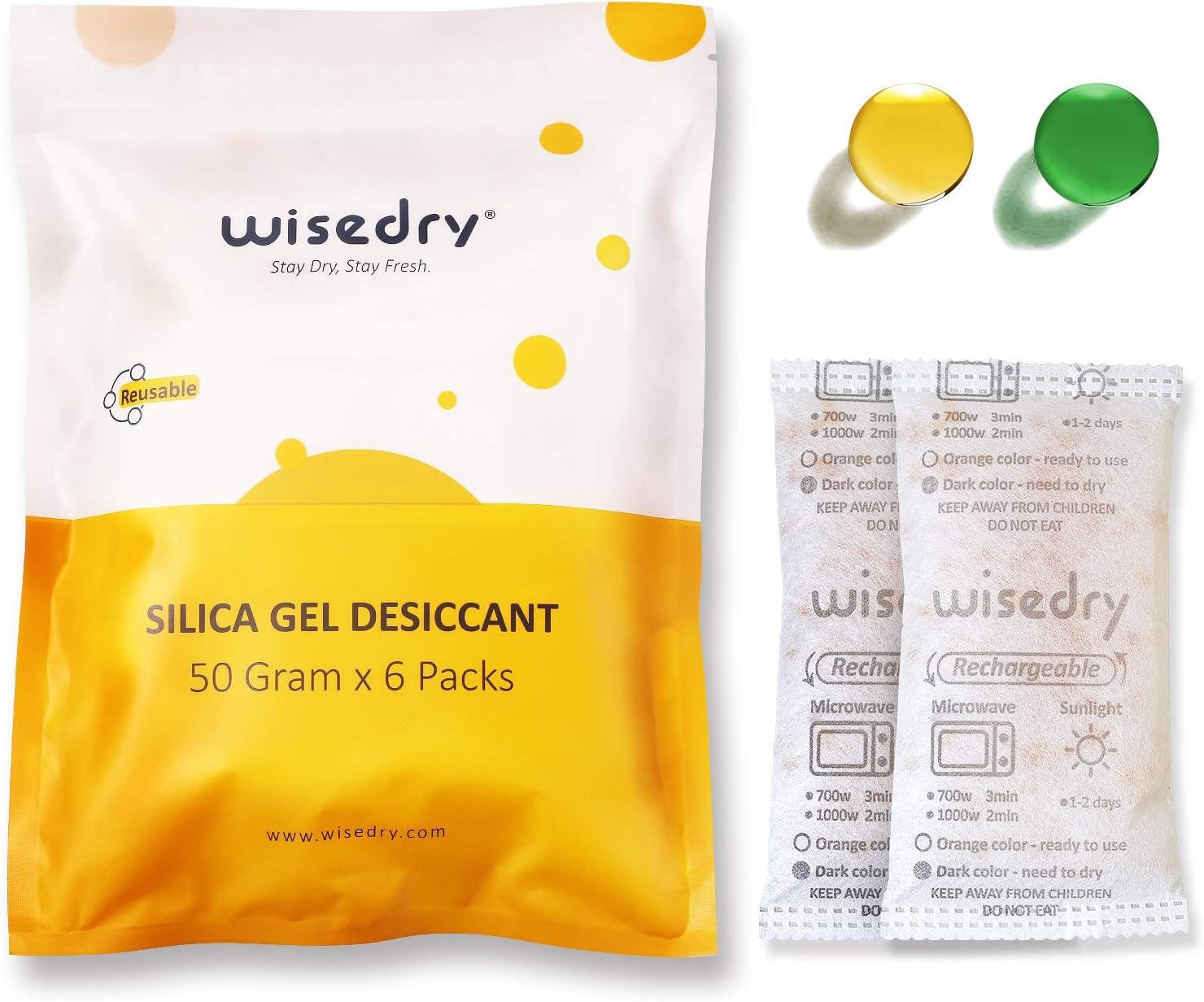
When you are ready to set up a seasonal container, use the Wisedry Amount Guide and then shop Wisedry reusable silica gel options that fit your container and recharge routine.