A crushed desiccant pack is a quiet failure: the packet still looks fine, the case still closes, but the flattened beads have lost the open surface area that pulls moisture from the air. In a foam-lined gear case the packet usually dies slowly — squeezed under a camera body, pinned beneath a lens collar, or shut in the lid hinge line. This guide covers where a packet can survive, where it gets destroyed, and the small packing habits that keep it working between checks.
Quick Answer
Give every packet a dedicated, open-air slot: a cut foam notch, a lid organizer pocket, or a mesh compartment — somewhere it stays flat, is visible when you open the case, and has air on at least two sides. If the only open spot is under the gear, the packet should move, not compress. Check the indicator at your normal case-opening cadence, and recharge or replace packs with the Wisedry amount guide as your sizing reference.
Refitting a gear case? Shop Wisedry reusable silica gel packets so each case gets a known-good pack in a known-good slot.
Why A Crushed Packet Stops Doing Its Job
Silica gel works by exposing surface area to the air inside the closed case. Two things break that:
- Compressed beads lose airflow. Beads forced together by a heavy body cut the air paths between granules; the middle of a squeezed packet barely dries anything.
- A split or torn pack spills beads. A packet pinched in a lid seam or under a hard corner can open up, and loose beads inside a case are a contamination problem — especially around moving parts and foam.
A flat, intact packet in open air keeps the full surface working and the indicator readable. A packet you cannot see is also a packet you will not check.
Where Packets Get Crushed In A Gear Case
The pattern is consistent across camera, drone, tool, and hobby cases:
- Under the heaviest item. A body, lens, or battery block set on top of a packet slowly flattens it over weeks of storage.
- In the lid gasket line. Closing the case on a packet that overhangs a pocket creases it every single time.
- Beneath a foam insert. A packet slipped under the insert is invisible, uncheckable, and compressed by everything above it.
- In an overstuffed pocket. A compartment packed tight with cables and packs leaves no air space, so the packets physically cannot dry anything.
- Taped or rubber-banded to gear. Wrapping a packet tight against a body or strap constricts it and hides the indicator.
Placement That Protects The Packet
- Cut a foam notch. A shallow cutout sized to the packet, in a corner of the insert that empty space already surrounds, holds the pack flat and visible. This is the most reliable option in a foam-lined case.
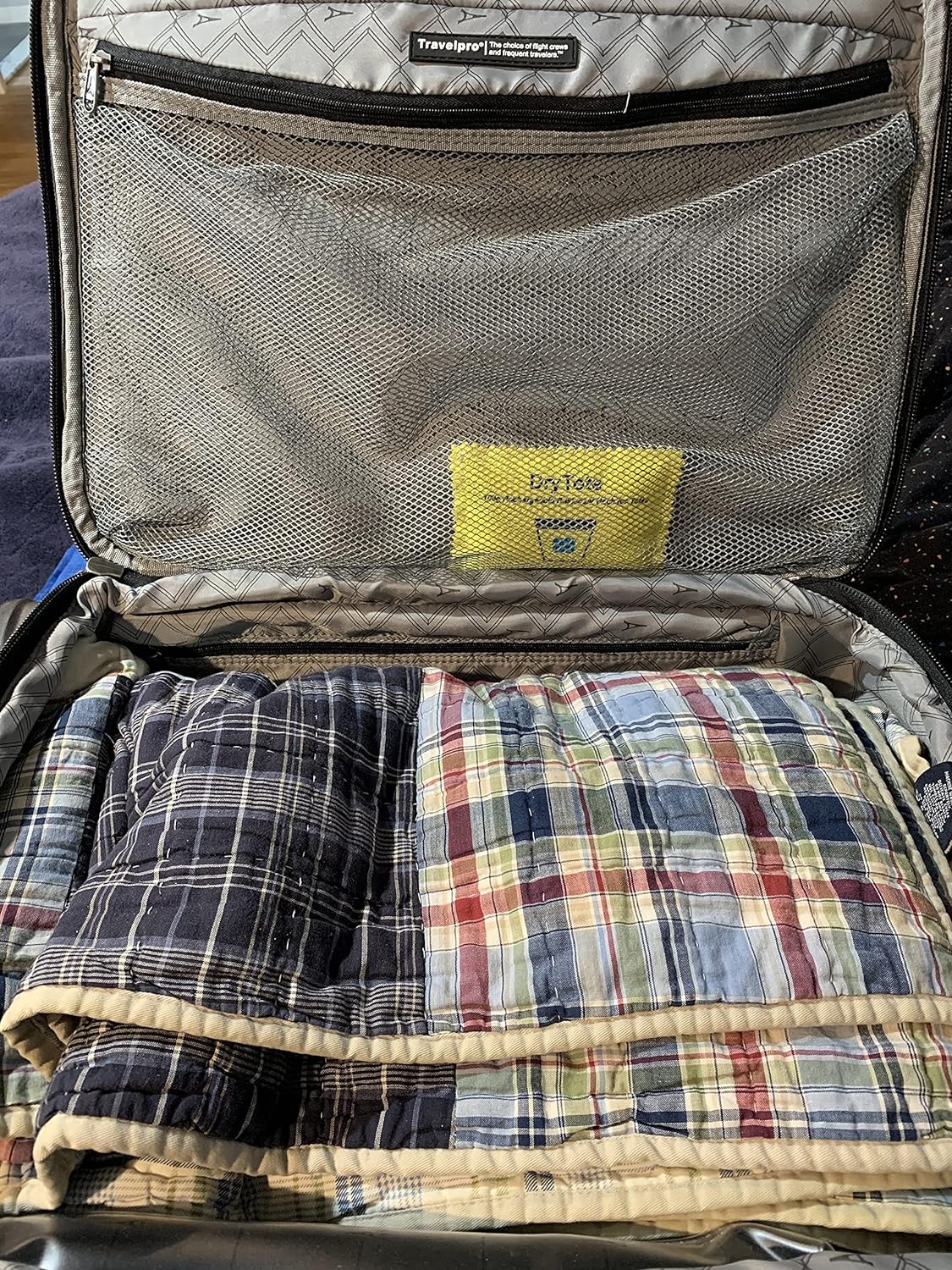
- Use lid organizer pockets. Most cases have flat mesh or zip pockets in the lid; a packet lies flat there, stays away from the gasket line if the pocket sits clear of the edge, and is seen every time you open the case.
- Keep a dedicated “packet pocket.” In soft cases and backpacks, one small pocket that only ever holds desiccant prevents the pack from migrating under heavy gear.
- Stand packs upright in gaps. Where no pocket or notch exists, a packet leaned vertically into an open gap between items keeps both faces exposed — better than lying under anything.
- Never under the load. If the only space left is beneath the gear, remove something or add a pocket; a crushed pack is not a placed pack.
Keep the indicator face-up or face-out in every placement so a check takes seconds, the same face-up habit used when placing silica gel in storage containers.
Packing Habits That Keep Packs Working
- One packet, one home. Assign each case a slot and return the pack there after every use, the same way charged batteries go back to one pocket.
- Close nothing on a packet. Before latching, run a thumb around the lid line and pocket edges — a two-second check that prevents the most common crease damage.
- Leave breathing room. A pocket with a packet plus air does more than two packets squeezed among cables; if a compartment is tight, downsize the packet instead of compressing it.
- Check on your existing cadence. At each case-opening or monthly gear check, read the indicator; recharge green packs with the recharge guide before the case is sealed again.
- Retire damaged packs. A torn wrap, leaking beads, or a packet that has gone hard gets replaced, not re-taped — the saturated packet check covers the signs.
Common Mistakes
- Wedging a pack under a camera body “temporarily.” Temporary placements become permanent; the pack flattens out of sight.
- Overhanging the pocket. A packet half-out of a lid pocket sits exactly in the gasket line and is creased on every close.
- Stacking packets as a substitute for sizing. Five flattened half-packets under a lens dry less than one properly sized pack in open air — size with the amount guide instead.
- Forgetting the pack exists. An uncheckable pack is a dead pack; if it is not visible at open, move it.
- Packing the case damp. A wet case interior makes every packet saturate early; let the case and foam dry out first, then seal with fresh packs.
FAQ
What happens if a desiccant pack gets crushed?
The beads compact and lose airflow, so the pack dries far less air even though it looks intact. The indicator may still read orange while the pack is effectively idle. Replace or redistribute a flattened pack instead of trusting it.
Where is the safest place for a silica gel packet in a foam-lined case?
A cut foam notch or a lid organizer pocket that keeps the pack flat, visible, and clear of the gasket line. The goal is open air on at least two sides and a pack you see every time you open the case.
Can a crushed packet be fixed?
No. Once beads are compacted or the wrap is creased permanently, surface area does not fully recover. Recharge and reuse packs that are intact but saturated; replace packs that are flattened, torn, or hardened.
How many packets should a gear case have?
Size to the case, not the gear — the case is the container. The amount guide gives gram ranges by container volume; one correctly sized packet in a protected slot beats several squeezed packs.
How often should I check packets in a gear case?
At whatever cadence the case already opens: weekly for active gear, monthly for storage, and seasonally for sealed long-term cases. If the indicator has turned green, recharge or replace before the case is sealed again.
Next Steps
Give each case a real packet home — a foam notch or lid pocket — set the sizing with the amount guide, and build the recharge rhythm with the recharge guide. Shop Wisedry reusable silica gel packets for cases that need fresh, correctly sized packs, or contact Wisedry Support if you are unsure which packet size fits your case.
If an inspection finds a split seam, puncture, heat damage, or loose contents, follow this guide on when to replace a damaged desiccant sachet instead of returning it to the case.