Before choosing desiccant for a storage container, measure the usable inside space, not only the outside dimensions printed on the box. Then record how much of that space the stored items occupy, where a packet can sit without being crushed, how well the lid seals, and how often the container opens.
These notes answer two different questions. Container volume helps you start with an appropriate desiccant amount. Clearance and layout help you choose a packet format that physically fits and remains exposed to the air. A large amount that blocks the lid or disappears beneath the contents is not a practical setup.
Start With The Container Empty
Remove the contents before measuring. Trays, handles, tapered walls, rounded corners, lid ribs, and gasket channels can make the inside smaller than the advertised capacity.
Use a ruler or tape measure and write down:
- Inside length at the level where the contents will sit.
- Inside width between the nearest walls or dividers.
- Usable inside height from the base to the lowest part of the closed lid.
- Narrow points created by hinges, latches, ribs, or a tapered base.
- Separate compartments that do not share air freely.
Measure in one unit throughout. Mixing inches and centimeters makes later volume estimates easy to misread.
For a simple rectangular box, inside length × inside width × usable height gives an approximate internal volume. You do not need perfect laboratory precision. The goal is to describe the actual air space more accurately than an outside product label can.
Measure The Filled Layout, Not Just The Empty Box
Put the normal contents back in their intended positions. Then check what changes.
Record:
- the highest point of the stored items;
- gaps along the sides and at the top;
- whether soft contents expand toward the lid;
- whether objects slide when the container moves;
- whether one item divides the box into separate air pockets;
- whether a removable tray covers most of the lower compartment.
Do not simply subtract the solid object volume and assume every remaining gap is equally useful. A thin space under a tightly packed item may add theoretical air volume but provide a poor location for a sachet. What matters for placement is usable clearance with shared airflow.
If the box has several small cells, treat each isolated cell as its own placement problem. The guide How To Use Silica Gel In A Parts Organizer explains why one packet in a covered corner may not serve every compartment.
Find A Packet Zone Before Selecting The Packet
Identify one or more areas where a packet can remain:
- flat or gently supported rather than sharply folded;
- away from hinges, latches, and gasket contact surfaces;
- clear of sharp edges and moving hardware;
- visible enough for routine checks;
- exposed to the same air as the stored items;
- protected from direct liquid contact;
- removable without emptying the whole container.
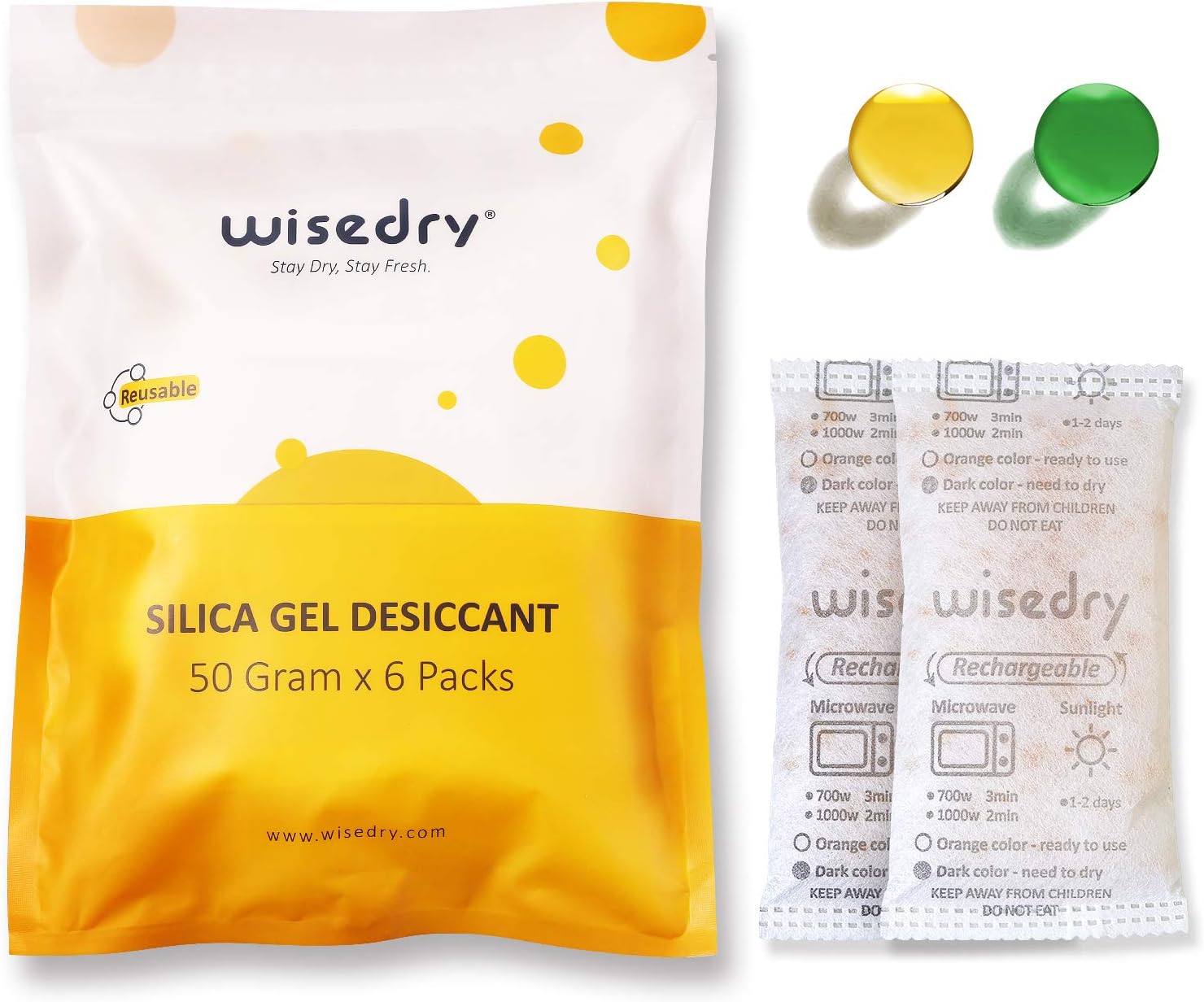
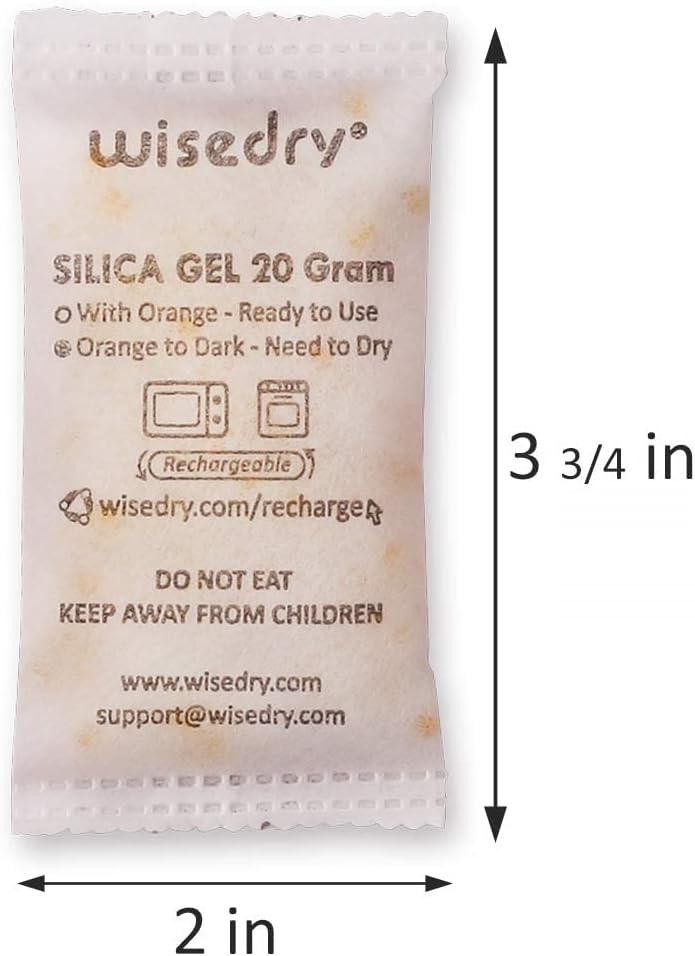
Measure the length, width, and depth of that packet zone. These dimensions are different from the overall box dimensions. A packet may be suitable by gram amount but too thick for the lid clearance or too wide for the only open side channel.
When two packet layouts add up to the same total amount, use How To Compare Desiccant Packet Dimensions When The Total Amount Is The Same to compare their footprint, resting thickness, closure clearance, visibility, and access.
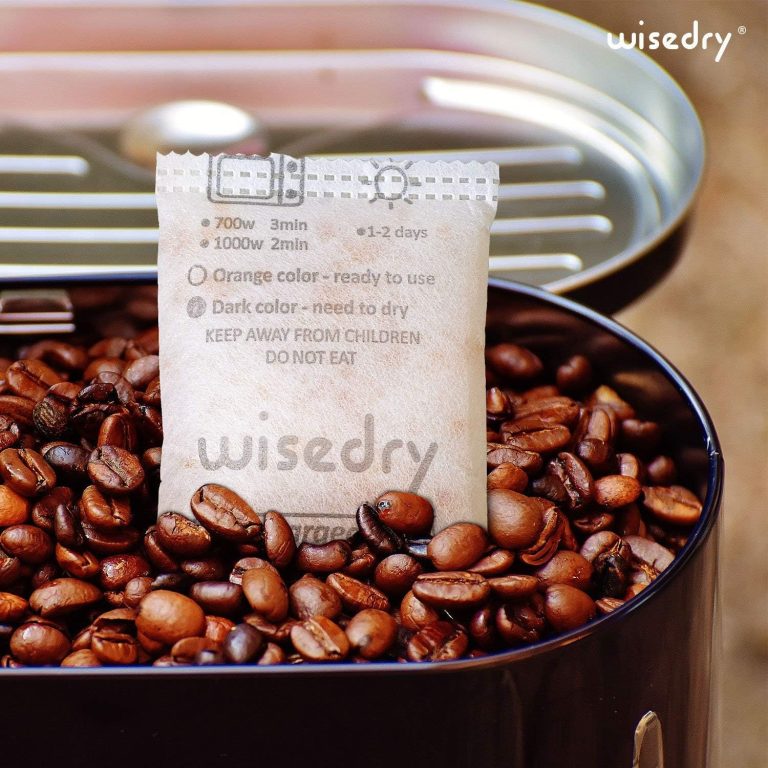
Allow extra room around the packet. Do not plan for a tight compression fit. A sachet should not prevent the lid from closing, cover the gasket, or become trapped between hard objects. For narrow cases, review How To Keep Desiccant Packs From Being Crushed In Gear Cases.
Check Lid, Hinge, And Latch Clearance
Close the empty container slowly while looking at the intended packet zone. If the lid has ribs, trays, foam, or a recessed edge, measure to the lowest obstruction rather than the broad lid surface.
Next, repeat the check with the normal contents installed. Ask:
- Does the lid press down on soft items?
- Does a hinge sweep through the proposed packet area?
- Does the latch pull the sidewall inward?
- Would a packet cross the gasket or sealing lip?
- Could the packet slide into the closing path when the box is carried?
If any answer is yes, choose another location or a different packet shape. Do not rely on the latch to compress the pack into place.
Record Seal Quality Separately From Volume
Two containers with the same internal volume may need different maintenance because their seals behave differently. Inspect the lid and note whether the container has:
- a continuous gasket;
- a lid that closes evenly on every side;
- clean sealing surfaces;
- cracks, warped corners, cable openings, or vent holes;
- loose-fitting drawers or panels;
- dividers that interrupt airflow.
Use the Airtight Box Checklist Before Adding Silica Gel for a tool-free inspection. Seal quality affects how quickly outside moisture returns, so it should be recorded even when you already know the box volume. The article Why Container Seal Quality Changes How Much Desiccant You Need explains the connection in more detail.
Count How Often The Container Opens
Opening frequency is not a physical dimension, but it belongs on the same worksheet. Write down whether the container is usually:
- closed for weeks or months;
- opened about once a week;
- opened every day;
- left open for long sorting or work sessions;
- moved between conditioned and humid spaces.
Also note how long a typical opening lasts. A box opened for five seconds does not exchange air in the same way as a bin left open for an hour.
For a frequently accessed box, packet accessibility and a simple check routine may matter more than maximizing the time between checks. Read How To Choose Desiccant For A Container You Open Every Day for that workflow. For a box intended to remain closed, use How To Choose Desiccant For Long-Term Closed Storage instead.
Note The Starting Condition Of The Contents
Desiccant selection cannot be separated from what goes into the box. Before closing it, record whether the items are dry and at room temperature. Watch for:
- fabric or padding that still feels damp;
- recently cleaned items that have not fully dried;
- paper or cardboard moved from a humid room;
- condensation on a cold object brought into warm air;
- wet packing material;
- a warm rechargeable packet that has not finished cooling.
Desiccant is intended to manage moisture in the enclosed air and normal moisture ingress. It is not a substitute for placing dry contents in a clean, serviceable container.
Make A One-Minute Container Record
A useful record can fit on one note:
- Container name:
- Inside length × width × usable height:
- Approximate shape: rectangular, tapered, divided, or irregular
- Normal contents and fill level:
- Available packet zone length × width × depth:
- Seal notes:
- Opening frequency and typical open time:
- Starting condition of contents:
- Preferred check location:
Keep measurements with the container or in your storage log. If you later change the contents, tray, gasket, or opening routine, update the record before assuming the old desiccant setup still fits.
Use The Measurements In The Right Order
Once the record is complete:
- Use the internal dimensions and realistic fill information with the Wisedry Silica Gel Amount Guide to establish a starting amount.
- Compare that amount with the measured packet zone and lid clearance.
- If one packet will not fit safely, consider whether several smaller packets can be placed without being crushed or isolated. See Should You Use One Large Desiccant Pack Or Several Small Packs?.
- Position the packet where it stays visible and shares air with the contents.
- Close the container and confirm the lid, gasket, hinge, and latch operate normally.
- Add a check date based on the indicator, product instructions, seal, and opening routine.
Do not choose only by the largest packet that fits. Amount, placement, seal, access, and maintenance work together.
Common Measuring Mistakes
- Using outside dimensions. Wall thickness and lid structure reduce usable space.
- Trusting the advertised capacity alone. Rounded corners, taper, and inserts change the real layout.
- Ignoring the contents. A full box may leave no safe packet zone.
- Measuring only length and width. Packet thickness and lid clearance can decide whether the box closes.
- Treating divided spaces as one open volume. Air may not move freely between cells.
- Forgetting the gasket. A packet crossing the seal can make the setup worse.
- Skipping opening frequency. Daily access changes moisture exposure and check needs.
- Packing damp items. Desiccant should not be used to excuse a wet starting condition.
Frequently Asked Questions
Should I use the container’s advertised liters or gallons?
Use them as a rough reference, then measure the inside. Advertised capacity may not describe the usable height, tapered walls, trays, or space occupied by the contents.
Do I subtract the volume of everything stored inside?
Estimate the remaining air space, but do not depend on exact subtraction. Also identify real packet clearance and shared airflow. A mathematically empty gap can still be unusable for placement.
What if the container is an irregular shape?
Divide it into a few simple sections, estimate each section, and record the narrowest packet zone. If the amount remains uncertain, use the Amount Guide and provide the measurements and layout details to Wisedry Support.
Is packet size the same as desiccant amount?
No. The amount describes how much desiccant the setup uses; packet dimensions describe whether that format fits the available location. Confirm both before closing the container.
What should I remeasure later?
Remeasure when you add a tray, change the contents, replace foam, alter the gasket, move the packet zone, or begin opening the box more often.
Measure First, Then Choose
A useful desiccant setup starts with five facts: internal space, occupied layout, packet clearance, seal quality, and opening frequency. Recording them takes only a few minutes and prevents a selection that looks correct by amount but cannot be placed, checked, or closed safely.
Next step: Take the five measurements, then use the Wisedry Silica Gel Amount Guide. If the shape or compartment layout is difficult to describe, contact Wisedry Support with the inside dimensions, packet zone, seal notes, and opening routine.