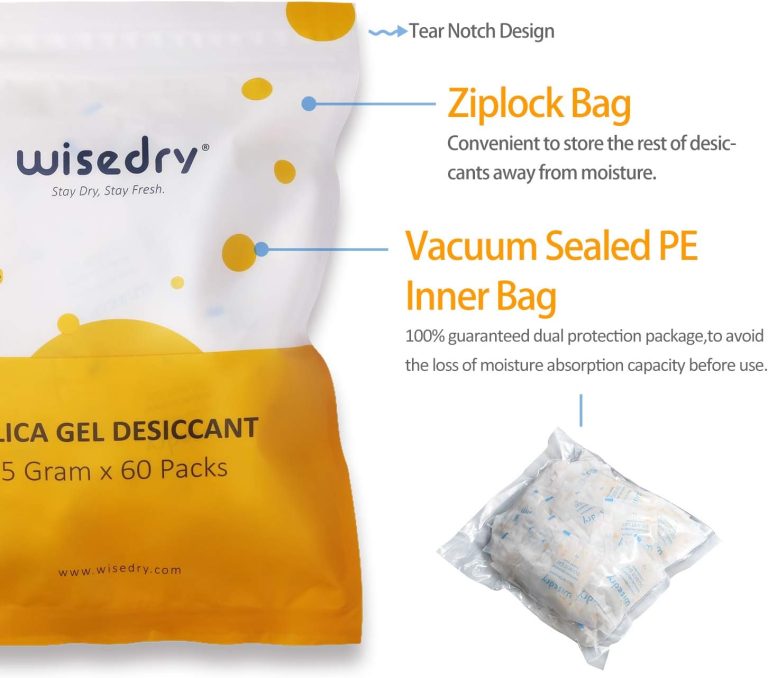
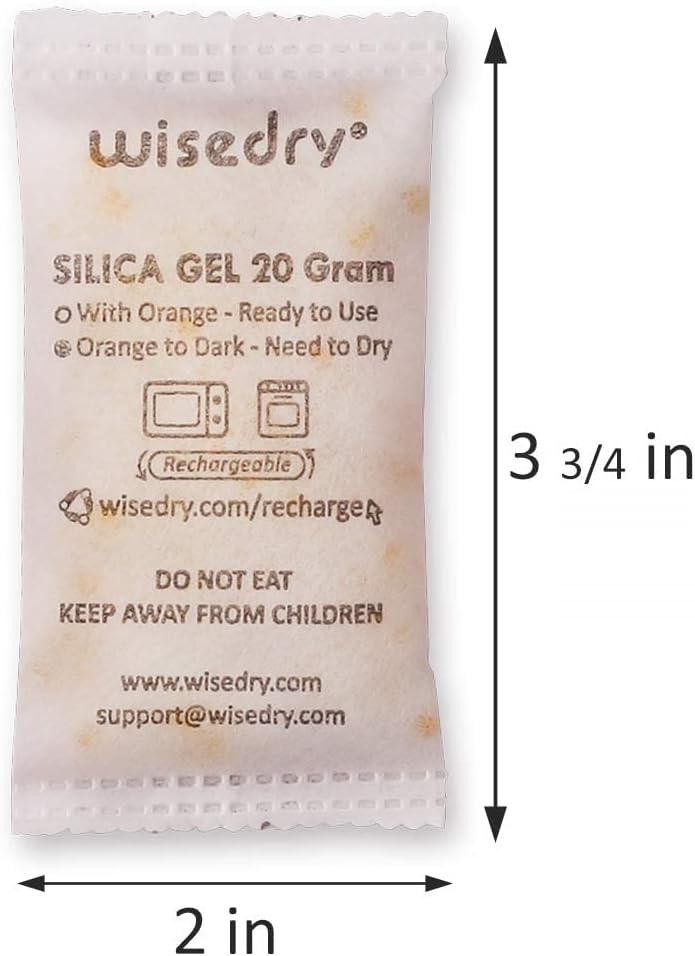
Board games are moisture traps by design: cardboard absorbs humidity from the air, punch-board boards warp, cards develop wavy edges, and box corners sprout when a closet stays damp for weeks. Silica gel inside a closed game box manages the enclosed air so that none of that starts. This guide covers what to place, where it goes, how to check it, and how the routine changes for a shelf, a closet, and a sealed storage bin.
Quick Answer
Place one appropriately sized silica gel packet on top of the punched boards or inside the box insert, indicator facing up, and leave it there between sessions. For long-term storage in a bin or closet, use the Wisedry amount guide to size the packet to the box, and check the indicator every few weeks. Games on an open shelf in a dry room need far less attention than games sealed in a bin in a basement.
Building or refreshing a game shelf? Shop Wisedry reusable silica gel packets so every box gets a known-good pack.
Why Cardboard Game Boxes Need Moisture Control
Game components are mostly paper products, and paper is hygroscopic — it takes on moisture from the surrounding air and gives it back when the air dries. Repeated cycles are what damage components:
- Boards and punch boards bow or develop a permanent curve when one side absorbs more moisture than the other.
- Cards get wavy edges and stick together slightly when humidity cycles.
- Box corners and inserts soften, and glued seams can lift.
- Wooden tokens and meeples expand, then shrink with gaps or rough edges.
Silica gel reduces the humidity inside the closed box, which flattens out those cycles. It works with the box closed; on an open shelf with the lid off, a packet has almost no effect — close the lid and the game’s own box becomes a small sealed container.
What You Need
- One or more silica gel packets per game box, sized to the box (see the small-container sizing guide: smaller boxes need less).
- A dry box to begin with — never pack a game that is already damp or has been in a humid basement overnight.
- An optional label with the date you placed the packets.
Placement: Where The Packet Goes
- Standard game box: one packet on top of the boards or components, in open air inside the box. Do not bury it under the rulebook or tape it under the lid insert.
- Insert trays: lay the packet on top of the tray, not inside a closed token bag with the tokens.
- Big box or kicker-bloated box: split the capacity — one packet on top, one under the insert if there is an open air gap, rather than two packets stacked in one spot.
- Card boxes and deck boxes: a small packet in the box’s open space works; keep it from resting directly against the card edges for months.
- Magnetic-closure boxes: the closure usually seals well enough for a packet to matter; check the indicator through the wrap or on your regular checkup round.
Keep the orange-to-green indicator visible so a check takes two seconds — turn the packet face-up when you place it.
Shelf Vs Closet Vs Storage Bin
The routine depends on where the games live:
- Open shelf, dry room: the room air is the biggest factor. A packet in each favorite box is a cheap buffer; check indicators monthly.
- Closet: air changes slowly, which is good for stability but bad when the closet itself is damp. One packet per box, checked every few weeks.
- Sealed storage bin (long-term or moving): size the desiccant to the bin, not the games — the bin is the real container. Put one packet inside each game box and the remainder distributed in the bin; the container seal check tells you whether the bin itself is holding its air.
- Basement or garage: treat the space first. Silica gel manages the air inside a closed box; it cannot fix a damp room, and packets will saturate quickly there.
Checkup Routine
- Monthly on the shelf: flip through the boxes you played least; glance at each indicator. Orange means keep going; green means the packet needs recharging or replacing.
- After every game night: close the lid on the packet you took out to play — the fastest habit is putting the pack back in the box with the game.
- Seasonal check for bins: open each storage bin a few times a year, read the indicators, and recharge as needed with the recharge guide.
- Before a move: pack games dry, place fresh or freshly recharged packets, and seal the bin the same day.
A packet that has been saturated for months and gone hard should be replaced, not recharged — the saturated packet check covers the signs.
Common Mistakes
- Packing a damp game. A game that came from a humid car or basement carries its own moisture; dry it out in the room first, then seal.
- Burying the packet. Under the rulebook and tokens, air barely reaches it.
- One huge packet in one corner. Spread capacity across the box or bin so air near every component gets managed.
- Checking once a year. Indicators only help if someone looks at them; tie the check to a habit you already have, like the first game night of the season.
- Expecting silica gel to fix the room. A damp closet needs airflow or a dehumidifier; the packet only manages the air inside the closed box.
FAQ
How many silica gel packets do I need per game box?
Most standard square game boxes do well with one appropriately sized packet. The sizing depends on the box volume and how often it opens — the amount guide gives gram ranges by container size, and smaller boxes need less.
Where exactly should the packet sit in the box?
On top of the boards or insert, indicator facing up, in open air. Avoid taping it under the lid or burying it under components.
Can silica gel protect cards in a deck box?
Yes, in the same way: a small packet in the open space of the box manages the enclosed air. Keep it from pressing against card edges for months at a time, and check the indicator occasionally.
Do I need silica gel if my games are on an open shelf?
It helps less than inside a closed box, because the “container” is the whole room. If your room is dry, you may not need packets at all; if the room is humid, prioritize closing the boxes and using packets there.
How often should I check the packets in stored games?
Monthly for shelf games, every few weeks for closet storage, and at a seasonal cadence for sealed bins. If an indicator has turned green, recharge or replace the packet before resealing.
Next Steps
Size each packet with the amount guide, set a recharge rhythm with the recharge guide, and shop Wisedry reusable silica gel packets for the shelf refresh — or contact Wisedry Support if you are not sure which packet size fits your game shelf.