Silica gel works best when it is placed in the same enclosed space as the items you want to keep dry, with enough airflow around the packet and without direct pressure on delicate surfaces. That sounds simple, but placement matters a lot in camera bags, lens cases, home safes, document boxes, and small storage containers.
Put the packet too far away, and it may help the container more slowly. Bury it under gear, and airflow is limited. Let it rub against a lens, screen, or polished item, and the packet may become an annoyance instead of a useful moisture-control tool.
This guide explains practical, low-risk placement rules for silica gel packets and rechargeable desiccant packs in small enclosed storage spaces.
Quick Answer
Place silica gel in an open pocket, corner, tray, mesh pouch, or clear space inside the same closed container as the gear. Keep it near the moisture-sensitive items, but not pressed against glass, screens, leather, paper edges, batteries, hinges, zippers, or moving parts. In a camera bag, use side pockets or open accessory compartments. In a lens case, place the packet beside the lens, not on the glass. In a safe or storage box, place packets on shelves, corners, or shallow trays where air can circulate.
If you are unsure how much to use, start with the Wisedry guide to how much silica gel to use for a storage container, then adjust based on container size, how often it is opened, and whether the desiccant becomes saturated quickly.
The Main Rule: Same Space, Airflow, No Contact Damage
Silica gel adsorbs moisture from the air around it. For storage use, the most useful placement is inside the same closed air space as the item you care about.
Good placement has three traits:
- Same space: the packet is inside the camera bag, lens case, safe, or box, not sitting outside it.
- Airflow: air can move around the packet instead of sealing it under a pile of gear.
- Protection: the packet is not rubbing against delicate glass, screens, coatings, paper, leather, or moving parts.
Think of silica gel as a storage helper, not a repair tool. It can help manage moisture in an enclosed space, but it cannot fix an active leak, dry a soaked item quickly, remove existing damage, or guarantee a specific humidity level in an unsealed container.
Where To Put Silica Gel In A Camera Bag
Camera bags are opened often, moved around, and filled with mixed materials. The safest placement is usually a side pocket, top pocket, accessory divider, or mesh compartment that shares air with the main bag.
Good places include:
- A side pocket that opens into the main compartment.
- A mesh accessory pocket inside the bag.
- A corner near the bottom of the bag, if it will not be crushed.
- A divider slot beside lenses or camera bodies.
- A small pouch attached to the inside of the bag.
Avoid placing packets:
- Directly on lens glass.
- On a camera sensor, screen, or viewfinder.
- Where a zipper can catch the packet.
- Where the packet can be crushed by the camera body.
- In a sealed outer pocket that does not share air with the main gear compartment.
- Loose in a bag where it can fall out during a shoot.
For everyday camera bags, one practical setup is to keep one packet in a side accessory pocket and another in the main compartment if the bag is larger or opened frequently. Check the packet after humid outings, rainy travel days, beach trips, winter-to-warm-room transitions, or long storage periods.
Need fresh packets for gear storage? Shop rechargeable silica gel packets.
Where To Put Silica Gel In A Lens Case
A lens case is smaller and more confined than a camera backpack. Placement should be gentle and controlled.
Good places include:
- Beside the lens barrel, not on the front or rear glass.
- Under a small divider, if the packet cannot press into the lens.
- In a mesh sleeve or accessory pocket inside the case.
- In the empty corner of a hard case.
- In a separate small breathable pouch inside the lens storage box.
Avoid direct contact with:
- Front or rear lens elements.
- Lens caps that are loose or poorly seated.
- Rubber focus or zoom rings if the packet will rub during transport.
- Fine filters, cleaning cloths, or exposed coatings.
- Any opening where loose beads could reach equipment if a packet is damaged.
If the lens case is very tight, do not force a packet into it. Use the outer camera bag compartment or a larger dry storage box instead.
Where To Put Silica Gel In A Home Safe Or Document Box
A home safe, document box, or enclosed storage cabinet usually has more stable placement options than a travel bag. The goal is to spread moisture control through the storage space without blocking access or crushing packets.
Good places include:
- A back corner on each shelf.
- A shallow tray near the bottom of the safe.
- A mesh pouch attached to an inner wall.
- Beside document folders, not between fragile paper edges.
- Near stored camera gear, watch boxes, or small electronics, with a barrier between the packet and delicate surfaces.
Avoid:
- Blocking hinges, locks, bolts, or door seals.
- Placing a packet where it can be crushed by heavy items.
- Tucking packets between important paper documents without a sleeve or pouch.
- Letting packets sit in standing water, condensation, or spill-prone areas.
- Using silica gel as the only response to a safe or box that is actively wet.
If the safe smells damp, has visible condensation, or has water intrusion, fix the moisture source first. Silica gel can support moisture control after the space is dry and reasonably sealed.
Where To Put Silica Gel In A Storage Box
For plastic bins, craft boxes, electronics boxes, and keepsake containers, place packets where they stay visible and easy to check.
Good placement options:
- One packet near the top and one near the bottom for a taller box.
- A corner tray for loose organization.
- A breathable pouch taped or clipped to the inside wall.
- Near moisture-sensitive items, with a layer of separation.
- On top of a divider rather than buried under heavy contents.
Avoid burying packets at the bottom of a crowded box where you will forget them. If the container is opened often, label the box with the date you added or recharged the packet.
Should Silica Gel Touch The Item?
In most storage setups, direct contact is not necessary. The packet only needs to share the same enclosed air space. A small gap, divider, pouch, or tray is usually better than direct contact because it reduces the chance of scratching, pressure marks, snagging, or packet damage.
Use separation for:
- Lens glass and camera screens.
- Polished metal.
- Leather cases and straps.
- Paper documents and photographs.
- Jewelry, watches, and small keepsakes.
- Resin flowers or fragile craft pieces.
For rugged plastic bins or tool organizers, contact may be less of a concern, but it is still easier to inspect and replace packets when they have a dedicated spot.

Packet Size And Number Matter Too
Placement helps, but a tiny packet cannot manage a large or frequently opened space for long. The right amount depends on container volume, air leakage, humidity, how often the container is opened, and how sensitive the stored items are.
As a practical starting point:
- Small lens pouch or accessory case: use a small packet that fits without pressure.
- Camera shoulder bag: use one or more packets in open internal pockets.
- Camera backpack: use multiple packets in separate compartments.
- Small safe or document box: use packets on different shelves or corners.
- Large storage bin: use enough desiccant for the volume and check it regularly.
For container sizing, use the Wisedry how much silica gel guide as the main reference.
How Often To Check Or Recharge The Packet
A packet that is saturated will not keep adsorbing moisture effectively. Check it more often when storage conditions are humid, the container is opened frequently, or the packet is protecting valuable gear.
Check after:
- Rainy travel.
- Beach, boat, basement, garage, or humid-room storage.
- Long trips where the bag stayed closed.
- Seasonal storage changes.
- A packet changes color according to its own indicator system.
- The container begins to smell damp or feel humid.
For Wisedry silica gel sachets, follow the Wisedry silica gel sachet recharge instructions for the specific product. If you are using a different desiccant product, follow that product’s label and do not guess heating method, time, or temperature.
You can also use the general recharge silica gel guide to find Wisedry recharge resources.
Placement Examples
Camera Backpack
Use one packet in a mesh pocket near the main camera body compartment and another in a lens/accessory section. Keep both visible enough to check. Do not let either packet rub against lens glass or fall loose into the bottom of the bag.
Single Lens Case
Use one small packet beside the lens barrel or in an attached sleeve. If the case is too tight, place the packet in the larger camera bag instead.
Home Safe
Use packets on shelves or in corners. If the safe has multiple shelves, spread packets across the space instead of stacking all of them in one spot. Keep packets clear of hinges, bolts, locks, and door seals.
Document Box
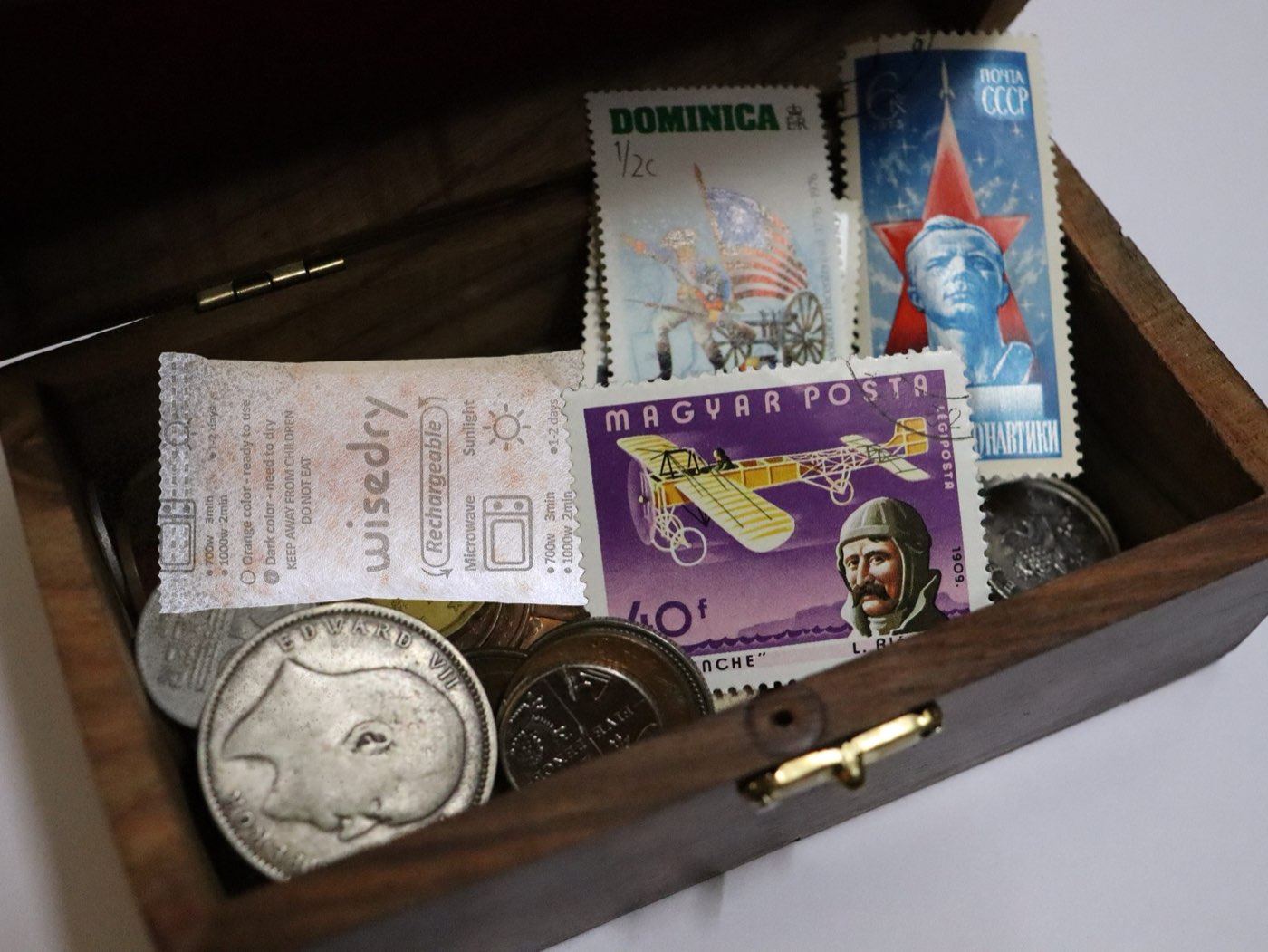
Put the packet in a corner, sleeve, or shallow tray. Do not press it directly into old photos, paper edges, certificates, stamps, or delicate documents.
Electronics Storage Box
Place packets near the gear but keep them separated from ports, fans, buttons, screens, and batteries. Do not use silica gel to treat electronics that are already wet or damaged.
Common Placement Mistakes
Mistake 1: Putting The Packet Outside The Bag Or Box
Silica gel needs to be inside the same closed air space. A packet sitting on a shelf beside a camera bag will not do much for the air inside the bag.
Mistake 2: Burying The Packet Under Heavy Gear
If a packet is crushed under a camera body, safe contents, or heavy tools, airflow is reduced and the packet may be damaged. Give it a visible, low-pressure location.
Mistake 3: Letting Packets Rub Against Delicate Surfaces
Packets do not need to touch lenses, screens, paper, or polished items. Use a pocket, sleeve, pouch, tray, or divider.
Mistake 4: Ignoring A Saturated Packet
Placement does not help if the packet is already saturated. Check color indicators or follow the product’s recharge/replacement schedule.
Mistake 5: Expecting Silica Gel To Fix An Active Moisture Problem
If a safe leaks, a camera bag is wet, or a storage box has condensation, dry and fix the space first. Silica gel supports moisture control after the container is dry enough to store items.
Quick Placement Checklist
Before closing the bag, case, safe, or box, check:
- Is the packet inside the same enclosed space as the gear?
- Can air move around it?
- Is it protected from crushing?
- Is it away from glass, screens, hinges, zippers, locks, and moving parts?
- Is it easy to inspect later?
- Is the container reasonably dry before storage?
- Is the packet active, fresh, or recently recharged?
- Is the packet kept away from children and pets?
If the answer is yes, your placement is likely good enough for routine storage.
FAQ
Can I put silica gel directly on a camera lens?
It is better not to. Place the packet beside the lens, in a mesh pocket, or in the same case with separation. The packet does not need to touch the glass to help manage moisture in the enclosed space.
Should silica gel go at the top or bottom of a safe?
For a small safe, a visible corner or shallow tray is usually enough. For a taller safe or multi-shelf space, spread packets across shelves or corners instead of putting everything in one place.
Can silica gel dry a wet camera?
Do not rely on silica gel as a repair method for wet electronics or optics. If camera gear is wet, follow the camera maker’s guidance or contact a qualified service provider. Silica gel is better used for storage moisture control after items and containers are dry.
How close should silica gel be to the item?
Close enough to share the same enclosed air space, but not pressed directly against delicate surfaces. A few inches away in the same bag, case, or box is usually more useful than direct contact.
Is one packet enough for a camera bag?
It depends on bag size, humidity, how often the bag is opened, and the packet size. A small daily bag may use one packet; a larger backpack or humid travel setup may need more than one. Check the packet regularly and adjust.
Should I use loose silica gel beads in a camera bag?
Packets are easier to control for camera bags and lens cases. Loose beads can spill, reach tight spaces, or become hard to remove if a container tips over. Use a sealed packet or breathable pouch when possible.
Final Takeaway
Put silica gel where it can share air with the items you want to protect, but keep it organized, visible, and separated from delicate surfaces. In camera bags, use internal pockets and dividers. In lens cases, keep packets beside the lens instead of on the glass. In safes and storage boxes, place packets on shelves, corners, or trays where they do not block doors, hinges, locks, or paper edges.
For better results, combine good placement with the right amount of desiccant, a reasonably sealed container, regular checking, and correct recharge instructions.
Need help choosing a setup? Start with the Wisedry silica gel amount guide, review the recharge instructions, shop rechargeable silica gel packets, or ask Wisedry support.