Silica gel often seems to “fill up” faster in summer because the packet is exposed to more moisture. Warm seasonal air can carry more water vapor, rooms may be opened and ventilated more often, and small seal problems in a storage box become more obvious when the surrounding air is humid.
The practical answer is not to guess a fixed summer recharge schedule. Check the packet, check the container, and follow the correct Wisedry recharge instructions when the packet is actually ready to be dried again.

Quick Answer
Silica gel can saturate faster in summer because the storage environment is usually more humid and the container may receive more moisture every time it is opened. A reusable packet can only adsorb moisture from the air around it; if that air is replaced often or leaks through a poor seal, the packet has more work to do.
For most home storage setups, start with four checks:
- Confirm whether the packet is actually saturated by using its color indicator, weight change, or the guidance in the product instructions.
- Inspect the lid, gasket, corners, and closure of the container.
- Notice how often the container is opened during humid weather.
- Recharge the packet only according to the matching Wisedry instructions, then let it cool before reuse.
Why Summer Changes The Moisture Load
Warm Air Can Bring More Moisture Into Storage
Silica gel does not create a sealed, dry world by itself. It adsorbs moisture from the surrounding air. In summer, the air entering a room, cabinet, safe, storage bin, car, or closet can carry more moisture than the same space might see during a dry season.
That extra moisture matters most when the storage space is not tightly sealed. A packet inside a loose bin may keep adsorbing new moisture because damp air keeps entering the container.
Every Lid Opening Resets Part Of The Job
Opening a storage box is normal. The problem is that each opening lets fresh room air enter. If the room is humid, the silica gel must now deal with moisture from the new air as well as moisture from the items inside the box.
This is why a packet in a frequently opened craft bin, camera case, filament box, or seasonal storage container may appear to saturate faster than a packet in a small sealed box that stays closed.
Seal Quality Becomes More Important
A small lid gap may not be obvious in a dry month. During humid weather, that same gap can let moisture cycle through the container more quickly.
If the packet changes color sooner than expected, do not assume the silica gel is defective. First check whether the box is actually holding a seal. The Wisedry guide on checking a container seal without special tools gives simple paper, light, and lid checks you can do before changing the packet setup.
Damp Items Add Moisture From Inside The Box
Sometimes the moisture is not coming only from the room. Recently handled items, slightly damp fabric, outdoor gear, flower-drying materials, paper goods, or containers moved from a humid space can bring moisture inside the box.
If the storage contents are damp when they go in, the packet may saturate faster because it is drying both the trapped air and moisture coming from the stored items.
How To Tell Whether The Packet Is Really Saturated
Do not rely on season alone. A hot month does not automatically mean every packet needs recharging.
Use the checks that fit your product:
- If the packet has a color indicator, compare the color with the product instructions.
- If you track weight, compare the packet with its own previous dry and used weights.
- If the packet has been in a leaky container, inspect the container before assuming the packet has reached the end of its useful life.
- If the packet was recently recharged, make sure it cooled fully before it went back into storage.
For a deeper check, use the Wisedry guide on how to tell if a silica gel packet is saturated.
What To Check Before Adding More Silica Gel
Adding more desiccant is sometimes useful, but it should not be the first move if the storage setup is leaking or being opened constantly.
1. Check The Container Seal
Look for lid gaps, cracked corners, warped plastic, loose latches, bent tins, and gaskets that no longer press evenly. If the lid does not close firmly, the packet may saturate faster because humid air keeps entering.
2. Reduce Unnecessary Openings
If a box is opened every day in summer, consider splitting the contents into smaller containers. Keep frequently used items in one box and long-term storage items in another. This helps the long-term box stay closed more often.
3. Match Packet Amount To The Real Setup
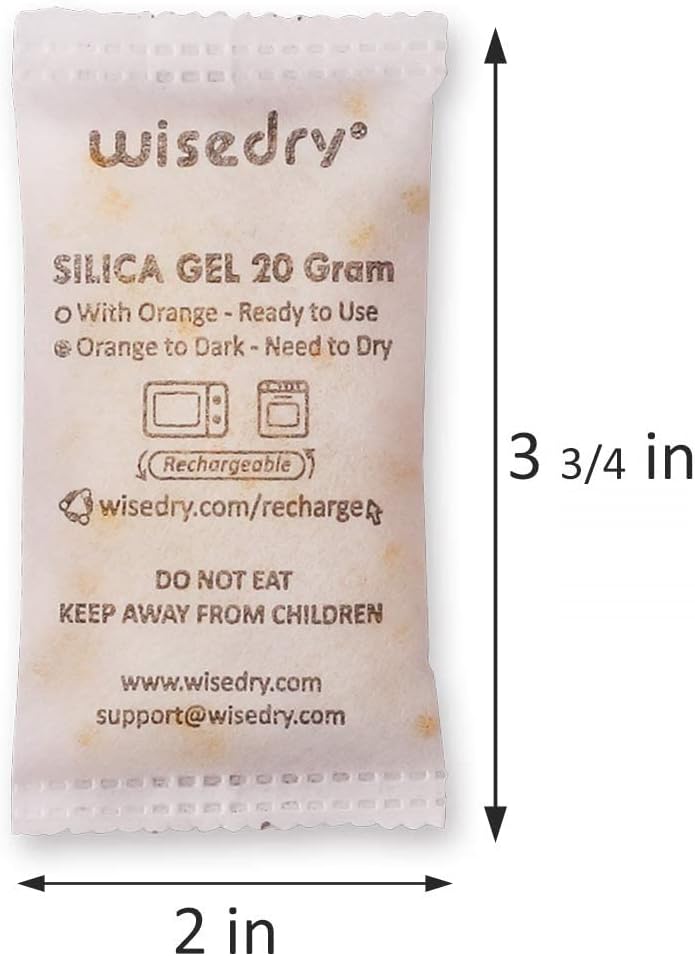
The right amount of silica gel depends on container volume, seal quality, humidity, and how often the space is opened. If your setup has changed, review the Wisedry packet size and gram guide instead of copying the amount from a different container.
4. Keep Spare Packets Sealed Until Needed
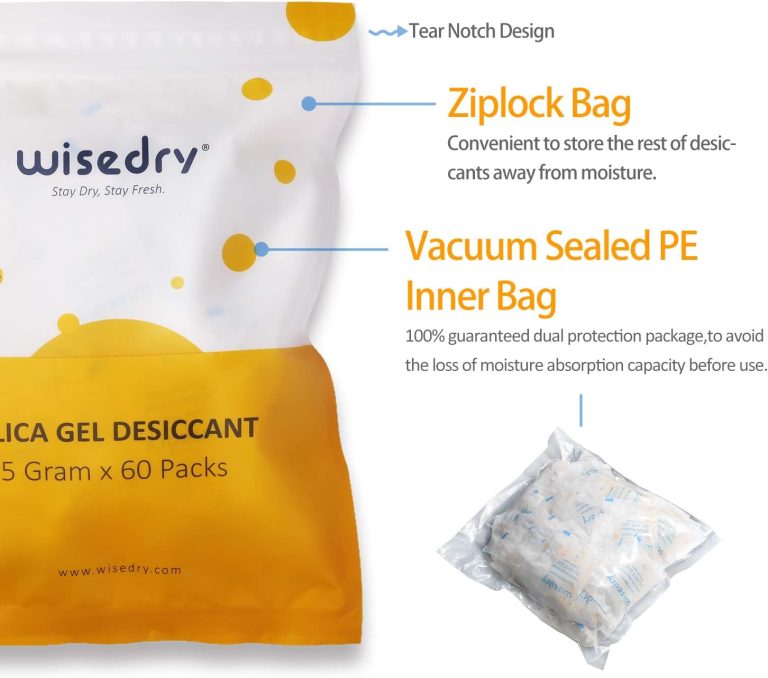
Unused packets can adsorb moisture from room air while they sit on a shelf. Store dry spare packets in a sealed bag or bin so they do not begin the job before you put them into the target container. The Wisedry guide on storing unused silica gel packets between projects covers this workflow in more detail.

When To Recharge In Summer
Recharge when your packet’s indicator, weight, or product instructions show that it is ready. Do not recharge just because the weather is hot, and do not assume one fixed schedule fits every container.
Use the Wisedry recharge hub to find the correct instructions for your Wisedry product type. After heating, let the packet cool fully before returning it to an enclosed container. A hot packet can create avoidable handling and condensation issues, so the cooling step matters. See how to cool silica gel after recharging before reuse if you want a simple cooling workflow.
Common Summer Mistakes
Mistake 1: Blaming The Packet Before Checking The Box
Fast saturation often points to the environment around the packet. A poor seal, frequent opening, or damp contents can overwhelm a normal packet faster than expected.
Mistake 2: Recharging Too Often Without A Signal
Unnecessary recharging adds work and heat exposure. If the indicator or product instructions do not show that a recharge is needed, check the setup first.
Mistake 3: Returning A Warm Packet To A Closed Container
A packet should cool before it goes back into storage. Letting it cool helps avoid adding heat to a closed space and makes handling easier.
Mistake 4: Leaving Spare Packets Open On The Shelf
Dry spare packets should be kept sealed until they are used. Otherwise, they can start adsorbing room moisture before they ever reach the storage box.
A Simple Summer Maintenance Routine
Use this routine when a packet seems to saturate faster than it did in cooler or drier months:
- Check the indicator or weight.
- Inspect the container seal.
- Look for damp items inside the box.
- Count how often the box is opened.
- Recharge only when the packet is ready according to the product instructions.
- Let the packet cool completely.
- Put the packet back in the container and note the date.
- If fast saturation repeats, improve the seal or review the amount guide.
This gives you a better answer than a fixed calendar rule because it follows the actual moisture load in your storage setup.
When To Contact Wisedry Support
Contact Wisedry Support if a packet behaves unusually after you have already checked the indicator, recharge instructions, cooling step, container seal, and storage habits. Include the product type, container size, where it is used, how often the container is opened, and what you observed.
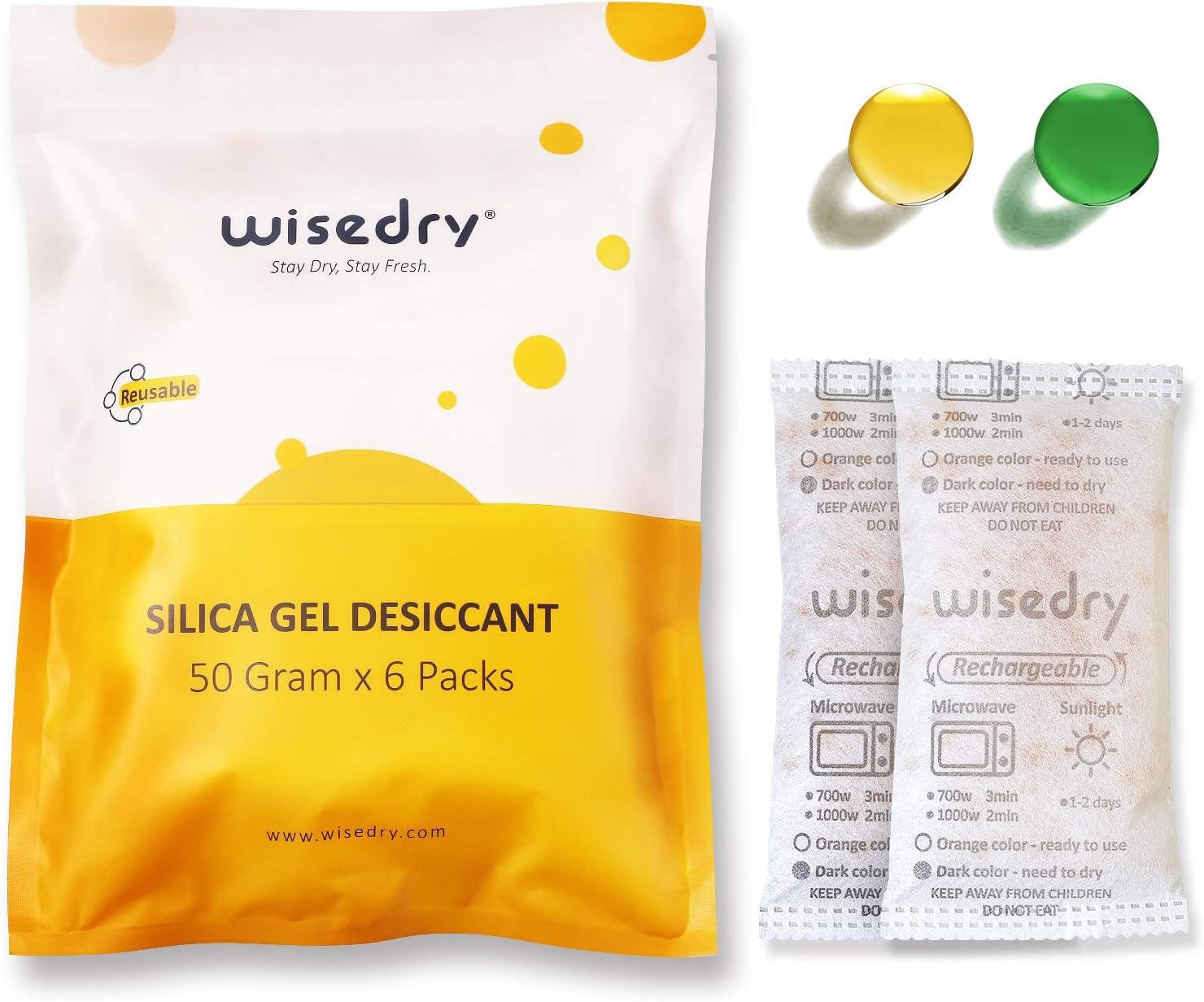
You can also shop reusable Wisedry desiccants if you are building a new storage setup, or ask Wisedry Support if you need help choosing the next step.
FAQ
Does Silica Gel Always Saturate Faster In Summer?
Not always. It depends on the actual storage setup. A tightly sealed container that stays closed may be easier on the packet than a loose container that is opened often in humid air.
Should I Use More Silica Gel In Summer?
Maybe, but check the seal and opening habits first. More silica gel may help some setups, but it will not fix an open or leaking container. Use the Wisedry amount guide when you need to reassess packet size or quantity.
Can I Recharge Silica Gel On A Summer Schedule?
It is better to recharge based on the packet’s indicator, weight, or product instructions. A calendar reminder can help you remember to check, but it should not replace the actual saturation signal.
Why Did My Packet Change Color Quickly After Recharging?
Common reasons include a leaky container, damp contents, frequent openings, not cooling the packet fully before reuse, or placing it in a more humid location than before. Check those variables before assuming the packet is unusable.
Is Fast Summer Saturation A Sign That The Packet Is Bad?
Not by itself. Fast saturation usually means the packet is seeing more moisture. If the packet still seems unusual after correct recharging, cooling, and container checks, contact Wisedry Support with the details.