Accidentally dropping your phone into water is stressful—but what you do in the first few minutes can make all the difference.
The fastest way to dry out your phone isn’t about heat or luck. It’s about removing moisture safely and completely, especially from internal components.
Let’s go step by step.
⚠️ First Things First: What to Do Immediately
Before thinking about drying methods, take these steps right away:
- Power off the phone immediately
- Unplug any cables or accessories
- Remove the case, SIM card, and SD card
- Gently wipe the exterior with a dry cloth
🚫 Do NOT:
- Turn the phone back on
- Plug it in to charge
- Shake it hard. Instead, gently tap the phone with the port facing down to help liquid leave the connector.
- Use a hair dryer or microwave
Heat can push moisture deeper and damage internal circuits.
❌ Why Rice Is NOT the Fastest (or Safest) Method
Putting a phone in rice is a common myth.
Rice:
- Absorbs moisture very slowly
- Can leave dust or starch inside ports
- Does not effectively pull moisture from internal components
In many cases, rice simply wastes critical drying time.
✅ The Best Drying Aid After Airflow: Silica Gel
Use Silica Gel Desiccant to Dry Your Phone
Silica gel is designed to absorb moisture from the air. In a sealed container, it can create a drier environment around the phone than rice, without leaving starch or dust in the ports.
Why Silica Gel Works Best:
- High moisture absorption capacity
- Reduces humidity around the phone in a sealed container
- Leaves no residue
- Leaves no rice dust or starch residue
- Works best as an aid, not as a guaranteed repair
🧪 How to Dry Out Your Phone with Silica Gel (Step-by-Step)
- Place your powered-off phone in an airtight container
- Surround it with sealed silica gel packets or beads inside a breathable pouch
- Seal the container tightly
- Leave it undisturbed for 24–48 hours
For heavy exposure or submersion, allow up to 72 hours and consider professional inspection, especially after salt water, sugary drinks, or dirty water.
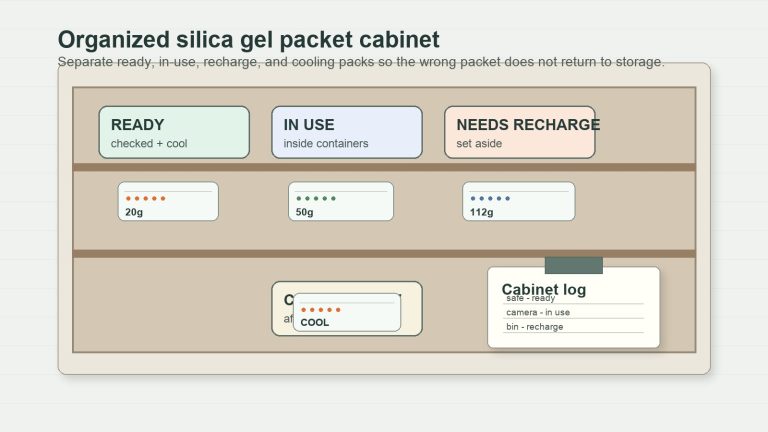
💡 Tip: Color-indicating silica gel (orange → green) helps you know when it’s saturated.
⏱ How Fast Is “Fast,” Really?
| Method | Drying Speed | Effectiveness |
|---|---|---|
| Silica gel | ⭐⭐⭐⭐⭐ | Excellent |
| Rice | ⭐⭐ | Poor |
| Air drying | ⭐⭐ | Incomplete |
| Heat (hair dryer) | ❌ | Dangerous |
Silica gel is a strong drying aid when used correctly, but the safest first steps are still powering down, unplugging, removing surface water, and waiting until the phone is fully dry before charging.
📌 When Is It Safe to Turn the Phone Back On?
Only turn your phone on when:
- At least 24–48 hours have passed
- There is no visible moisture
- Ports and buttons are completely dry
If the phone fails to power on, shows a moisture warning, overheats, has distorted sound, or was submerged, professional repair may still be needed. Drying reduces risk; it does not reverse corrosion or liquid residue already inside the device.
🔚 Final Thoughts
So, what’s the fastest way to dry out your phone?
✔ Power it off immediately
✔ Avoid heat and rice
✔ Use silica gel in a sealed container
Silica gel is a reliable way to lower humidity around a wet phone in a sealed container. It works best when paired with safe handling: no charging, no heat, no rice, and enough drying time.
Sources Checked for Safe Phone Drying
This guide follows current manufacturer safety guidance from Apple’s liquid-detection alert instructions, Apple’s water-resistance guidance, Samsung’s moisture-in-port support page, and Google Pixel water-damage prevention guidance.
🔗 Recommended Silica Gel for Electronics Protection
Looking for reusable, high-quality silica gel for phones, cameras, and electronics?