First, Let’s Assemble Your Flower Press
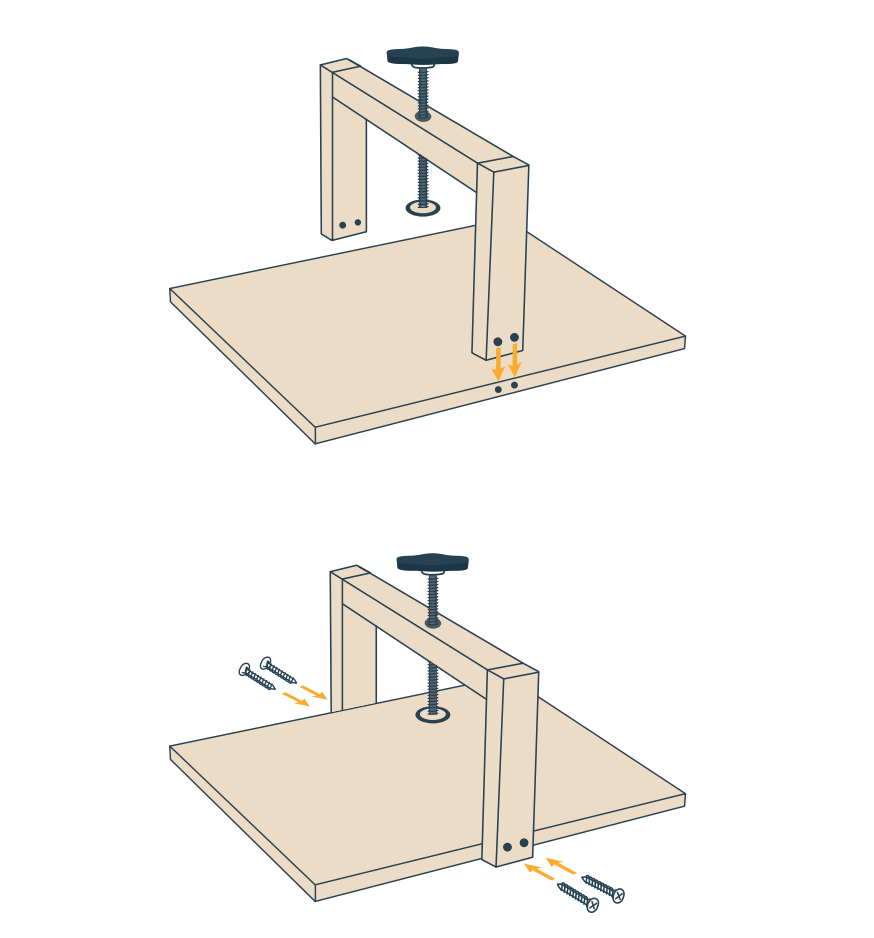
What Are These For?
Now let’s learn about what are the materials you have and how they work.
Blotting Boards:
- These are the primary moisture absorbers. They are typically made of thick, porous paperboard or felt-like material. As pressure is applied to the flowers, moisture is drawn out of the plant material and soaked up by the blotting boards.
Lining Paper:
- This is usually a thin, porous paper placed on one side of the flower, between the flower and the blotting board. Its main functions are to prevent the flower from sticking to the blotting board and to help wick moisture away from the flower towards the blotting layer.
Foam Sheet:
- These soft, compressible sheets provide cushioning and distribute pressure evenly. They are typically placed within the layers, above the flowers, or below the blotting board.
Zip bag:
- This is a resealable plastic bag used to enclose the assembled flower press layers during the pressing process. Its primary function is to insulate the press contents from the outside air and create a sealed environment.
For a clearer understanding, you can refer to this picture:
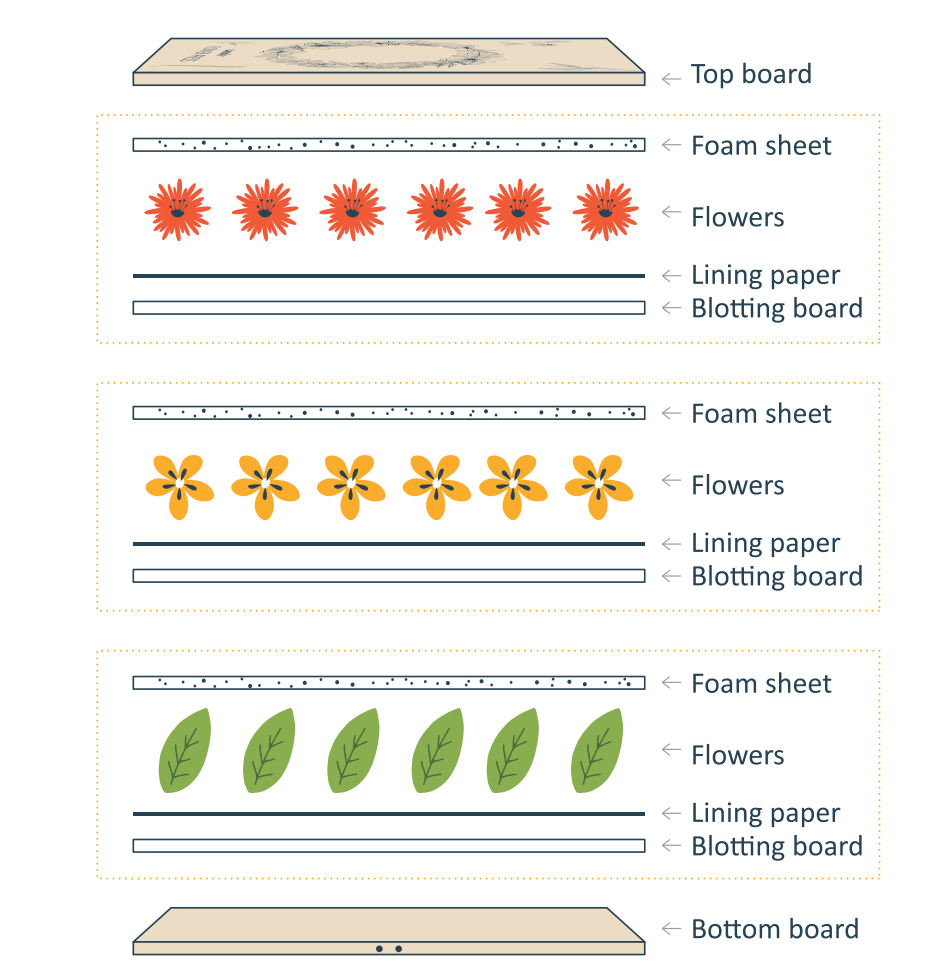
This is an example 3-layer arrangement of all the materials you will need.
Let Us Get to It
Step 1: Arrange flowers according to the diagram provided and place them in the zip bag, leaving it open.
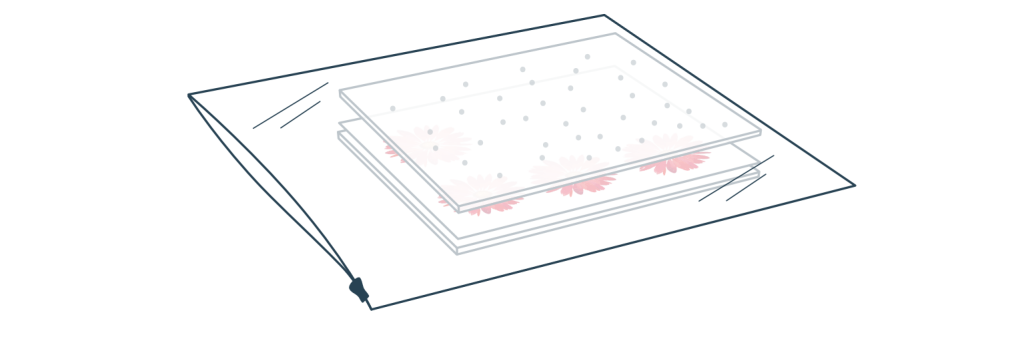
Step 2: Position the zip bag on the bottom board and place the top board over the bag.
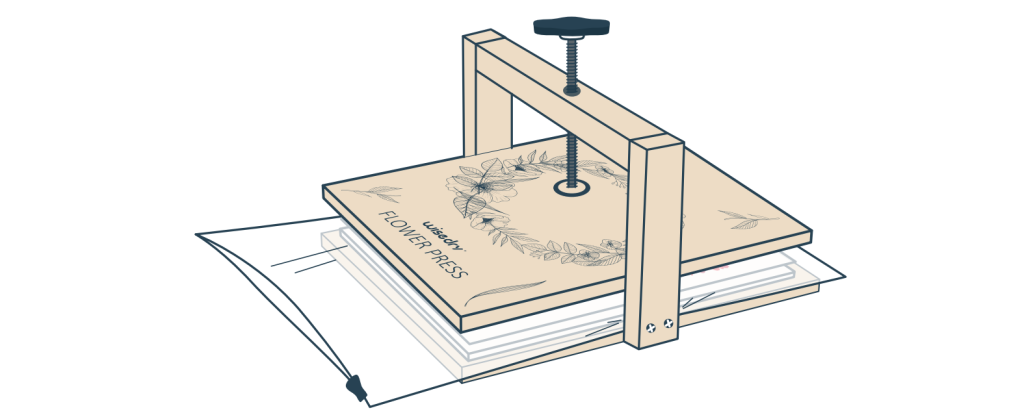
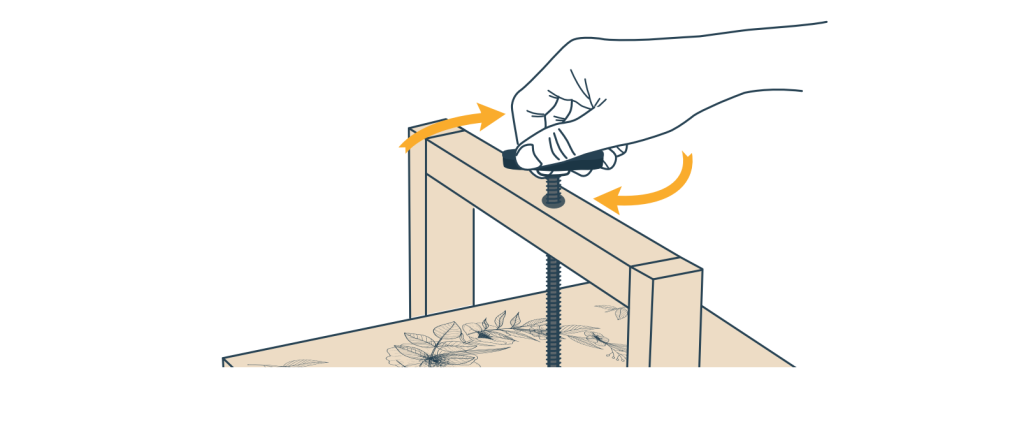
Step 3: Tighten the knob clockwise to firmly press the bag.
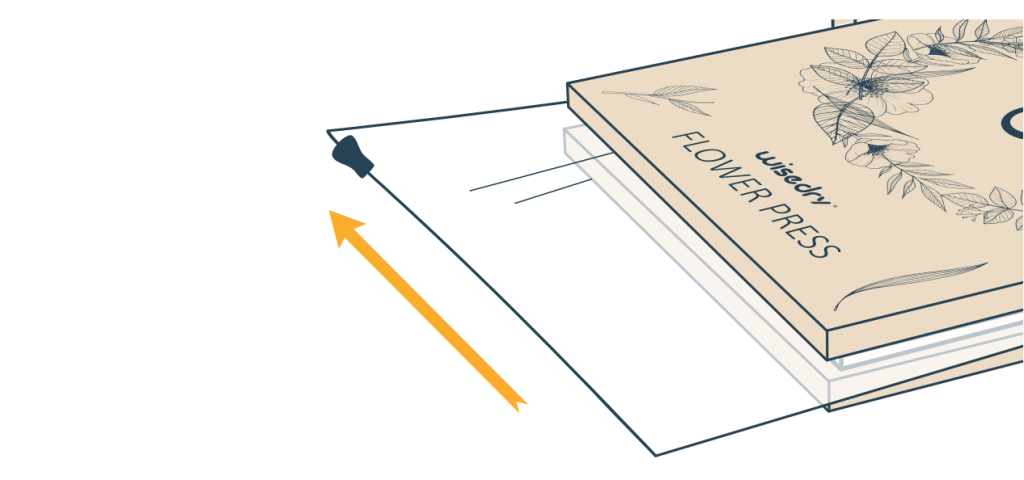
Step 4: Seal the bag to prevent moisture from getting in.
What You Might Want to Know
- Flowers suitable for pressing
- Flat and single-layered flowers, such as zinnias, delphiniums, pansies, violas, daisies, geraniums, cosmos, and most pteridophytes, are well-suited for pressing.
- For thick flowers, such as Peruvian lilies, lilies, orchids, or roses, you may try trimming off their petals and rearranging them on the boards for easier pressing.
- Tips for arranging the flowers
- Group flowers of similar thickness on one layer. Flowers should be spaced apart and not overlap.
- Place flowers within the range of blotting boards.
- Face fronts of flowers to foam sheets for flatter results.
- The maximum layers that can be pressed at once
- This kit provides 6 layers in total. For best results, using all 6 layers is recommended.
- Pressing time needed
- The completion time will depend on the type and moisture of each flower. Typically:
a. Leaves take 1 to 3 days
b. Flat and single-layered flowers take 3 to 6 days
c. Multi-layered flowers take 7 to 10 days
If some flowers have more moisture, it may take an additional 3 to 5 days.
Tip: You can open the bag regularly to monitor the progress.
- The completion time will depend on the type and moisture of each flower. Typically:
- Checking if the flowers are dried enough
- Pressing is completed when they feel crispy and dry to the
touch.
- Pressing is completed when they feel crispy and dry to the
- Reusing the blotting boards
When blotting boards are soft, they are near saturation. Recharge them in a microwave or oven (avoid stacking and overlapping). When they are stiff again, they are ready for reuse.- Microwave: Set mode to mid-high (70% power) and heat for 1 minute. If necessary, let cool for 1 minute and repeat the step.
- Oven: Preheat the oven to 200C/392 F, then heat the blotting boards for 10-15 minutes. Add 3-5 minutes if the boards are still soft.
- CAUTION:
- The blotting boards are made from special absorbent paper and can scorch if overheated, creating a potential fire hazard. Please strictly follow the instructions and never leave the heating unattended.
- Recharge time of the blotting boards may vary depending on their water content. Adjustments may be needed according to the actual situation.
- Preserving the blotting boards after recharge
Keep them in a sealed space to avoid contact with air. - Reusing the foam sheets and lining paper
When they become wet, dry them in the sun or air dry naturally. Do not dry them using heating equipment. - Do not put the flower press into a microwave
The flower press contains metal components that are strictly prohibited from being put in a microwave. - Long-term preservation of the pressed flowers
For effective preservation, it is important to avoid exposure to air and moisture. Keep them in sealed containers or use them to create bookmarks, specimens, shadow boxes, and more.