Silica gel can help dry flowers while keeping more of their shape and detail than air drying. But the drying step is only half of the project. Once the flowers come out of the silica gel, they can still bend, fade, break, or reabsorb moisture if they are handled or stored poorly.
The goal after drying is simple: keep the flowers dry, protected, and out of harsh light until you are ready to display them, frame them, package them, or use them in resin.
Quick Answer
After drying flowers with silica gel, let the flowers rest briefly, remove loose silica gel gently, and store them in a clean airtight container in a cool, dry, dark place. Use dividers, tissue, or shallow layers so petals are not crushed. For longer storage, keep a small active desiccant packet in the container and check the flowers before use.
Avoid open shelves, humid rooms, sunny windows, bathrooms, kitchens, and containers that trap damp flowers before they are fully dry.
If Wisedry flower-drying crystals are mostly dark green, follow the product-specific recharge guide before the next batch.
Why Dried Flowers Still Need Care
Dried flowers feel finished when they come out of silica gel, but they are still delicate organic material. Petals may be thin, brittle, or papery. Stems can snap. Thick flower centers may hold more moisture than the outer petals. Color can change if the flowers sit in sunlight or humid air.
Good storage helps protect three things:
- Shape: petals, stems, and flower heads are less likely to crush or curl.
- Color: flowers are less exposed to direct light and humidity swings.
- Dryness: flowers are less likely to soften before resin work, framing, packaging, or display.
This is especially important if you dried flowers for a wedding keepsake, resin art, memory box, pressed arrangement, jewelry, candle display, or small product batch.
Step 1: Make Sure The Flowers Are Actually Dry
Before long-term storage, inspect the flowers carefully. Some blooms dry unevenly, especially if they have thick centers, layered petals, or dense stems.
Look for:
- Petals that still feel cool, limp, or flexible.
- Flower centers that feel soft or heavy.
- Stems that bend instead of snapping cleanly.
- Any damp smell from the container or flower.
- Silica gel that changed color quickly during drying.
If a flower still feels damp, do not seal it in a storage box yet. Put it back into active silica gel and give it more drying time. Sealing damp flowers can make them soften, discolor, or develop odor.
Step 2: Remove Silica Gel Gently

Dried flowers can break during cleanup, so avoid shaking them aggressively. Lift the flower carefully and let loose silica gel fall away naturally.
Use light tools when needed:
- A soft artist brush for petals and flower centers.
- Tweezers for small blooms, stems, or resin flowers.
- A spoon or scoop to move silica gel away from the flower instead of pulling the flower through the beads.
- A clean tray so any loose beads are easy to collect.
Do not rinse dried flowers with water. Water can undo the drying work and may damage shape or color.
Step 3: Let Flowers Rest Before Sealing
After removing the flowers from silica gel, let them rest in a clean, dry area for a short time before packing. This gives you time to inspect them, remove extra beads, and separate flowers that need more drying.
Do not leave them exposed all day in a humid room. The rest period should be controlled and dry, not an open-air display.
A good workflow is:
- Remove flowers from silica gel.
- Brush away loose beads.
- Inspect for damp spots or damage.
- Sort by use: display, resin, keepsake, practice, or discard.
- Store the finished flowers in an airtight container.
Step 4: Choose The Right Storage Container
The best storage container is clean, dry, and airtight. It should protect the flowers from humidity, dust, crushing, and light.
Good options include:
- Clear plastic boxes with tight lids.
- Small airtight craft containers.
- Glass jars for sturdy flowers or petals.
- Shallow lidded trays for fragile blooms.
- Compartment boxes for resin artists.
- Archival-style boxes used with an inner sealed bag or container.
Avoid:
- Open baskets.
- Loose paper bags in humid rooms.
- Cardboard boxes without an inner sealed container.
- Containers that smell musty.
- Containers that recently held food, oil, fragrance, or cleaning products.
If the container is not fully airtight, it can still help with organization, but it will not protect the flowers as well from humidity.
Need fresh crystals for a future batch? Shop Wisedry flower-drying silica gel.
Step 5: Store Flowers In Shallow Layers
Do not pile all dried flowers into one deep container. Weight from the top layer can flatten petals, snap stems, and distort flower heads.
For fragile flowers:
- Use a shallow container.
- Store flower heads in a single layer.
- Keep space between large blooms.
- Add soft tissue or parchment-style separation if needed.
- Label the container with flower type and drying date.
For petals:
- Store by color and flower type.
- Keep resin-use petals separate from display petals.
- Avoid overfilling small jars or bags.
For stems:
- Store horizontally if the stems are fragile.
- Keep longer stems in a box that does not force bending.
- Do not tie brittle stems tightly.
Step 6: Add A Small Desiccant Packet For Longer Storage
If the flowers will sit for more than a few days, a small active desiccant packet can help manage moisture inside the container. This is useful for resin artists, crafters, or anyone storing flowers before a future project.
Use desiccant as support, not as a rescue tool. It helps protect flowers that are already dry. It should not be used to hide moisture in flowers that were not fully dried.
Replace or recharge the desiccant when:
- For Wisedry flower-drying crystals, most crystals have changed from orange to dark green; heat only according to the product guide and stop when most crystals return to orange.
- A different product’s indicator shows saturation according to that product’s own instructions.
- The packet has been stored in humid air.
- The container was opened many times.
- The flowers begin to feel soft.
- You notice dampness or odor in the container.
If the storage container smells musty, remove the flowers and inspect them. The issue may be damp flowers, a contaminated container, or storage in a humid room.
Step 7: Keep Dried Flowers Away From Sun, Heat, And Humidity
Storage location matters. Even well-dried flowers can fade or soften in poor conditions.
Choose a place that is:
- Cool.
- Dry.
- Dark or low-light.
- Away from windows.
- Away from bathrooms, kitchens, laundry rooms, and damp basements.
- Away from direct HVAC vents or condensation-prone walls.
Direct sunlight can fade color. High humidity can make petals soften. Heat can make some flowers more brittle or encourage color changes.
Best Storage Setup For Resin Artists
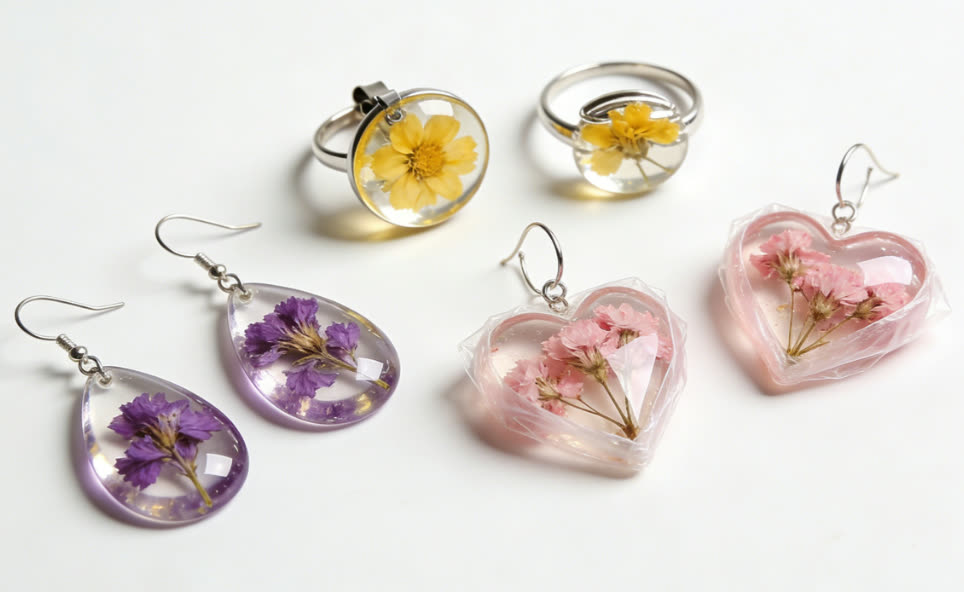
Resin artists often need dried flowers to stay ready for days, weeks, or longer before casting. A simple storage system can save a lot of wasted material.
Use separate containers for:
- Fully dried flowers ready for resin.
- Flowers that may need more drying time.
- Practice flowers.
- Loose petals.
- Silica gel that needs recharging.
Before embedding dried flowers in resin, check that they are still dry and stable. If flowers feel soft, heavy, or cool to the touch, dry them again before use. Moisture can affect appearance and may lead to poor results depending on the resin process.
Keep resin workflow notes with each batch:
- Flower name or bouquet source.
- Drying date.
- Silica gel condition.
- Storage container used.
- Any color or texture changes.
This makes it easier to repeat good results.
Best Storage Setup For Keepsake Flowers
Keepsake flowers need extra care because replacement may not be possible. If the flowers are from a wedding, memorial, graduation, proposal, or special event, handle them as little as possible after drying.
For keepsakes:
- Store the best blooms separately from practice blooms.
- Keep a few backup petals or smaller flowers if available.
- Do not test new glue, resin, spray, or display methods on the most important flower first.
- Keep the container labeled and closed.
- Store photos of the original arrangement for reference.
If you are sending dried flowers to an artist or preservation service, ask how they want flowers packed before shipping. Some artists have specific instructions for flower condition, packing material, and timing.
Common Mistakes To Avoid
Mistake 1: Sealing Flowers Before They Are Fully Dry
This is the biggest storage problem. A flower can look dry on the outside but still hold moisture in the center. If it is sealed too early, it may soften, smell, or discolor.
Mistake 2: Leaving Dried Flowers On A Desk Or Shelf
Open-air storage exposes flowers to dust, light, humidity, and accidental damage. Even a few humid days can change delicate blooms.
Mistake 3: Using A Damp Or Musty Container
A dirty container can transfer odor or moisture to flowers. Clean and fully dry containers before use.
Mistake 4: Overpacking Flowers
Too many flowers in one box can crush petals and bend stems. Use shallow layers and separate fragile blooms.
Mistake 5: Forgetting To Recharge Silica Gel
If your flower drying silica gel or storage packet is saturated, it cannot do its job well. Recharge it according to the product instructions before using it again.
Mistake 6: Displaying Dried Flowers In A Humid Room
Bathrooms, kitchens, and damp basements are poor locations for dried flower arrangements. Use a drier room and avoid direct sunlight.
How Long Can Dried Flowers Last After Silica Gel?
There is no single guaranteed lifespan. Dried flowers can last for weeks, months, or longer depending on the flower type, drying quality, humidity, light exposure, handling, and display method.
Silica gel drying can help preserve shape and detail, but it does not make flowers permanent. Expect some natural fading, brittleness, or texture change over time.
To give dried flowers the best chance:
- Dry them completely.
- Store them airtight.
- Keep them cool, dry, and out of direct sunlight.
- Handle them gently.
- Use active desiccant for longer storage.
- Avoid repeated opening and closing of the container.
When To Redry Or Discard Stored Flowers
Check stored flowers before using them in resin, a frame, a keepsake box, or packaging.
Consider redrying if:
- Petals feel slightly soft.
- The flower feels cool or heavy.
- The container was opened often.
- The storage room has been humid.
- The desiccant indicator shows saturation.
Discard flowers if:
- They smell musty.
- They show visible mold.
- They are wet or sticky.
- They have collapsed beyond the look you need.
- They are contaminated with dust, fragrance, oil, or unknown residue.
If the project is important, test with a less important flower first.
Simple Storage Checklist
Use this checklist after each flower drying batch:
- Flowers feel dry all the way through.
- Loose silica gel has been brushed away.
- Fragile blooms are separated.
- Container is clean and dry.
- Flowers are stored in shallow layers.
- Active desiccant packet is included for longer storage.
- Container is labeled with date and flower type.
- Container is stored in a cool, dry, dark place.
- Silica gel used for drying is recharged or labeled for recharge.
FAQ
Should I leave dried flowers in silica gel until I use them?
You can leave some flowers in silica gel for short-term protection, but it is usually better to remove, inspect, clean, and store finished flowers in a labeled airtight container. Very delicate flowers may be damaged if they are repeatedly dug out of loose silica gel.
Can dried flowers reabsorb moisture?
Yes. Dried flowers can soften or change in humid air. Airtight storage and active desiccant help reduce that risk.
Do I need a desiccant packet in the storage box?
For short-term storage in a dry room, it may not always be necessary. For longer storage, humid climates, resin flowers, or valuable keepsake flowers, a small active desiccant packet is helpful.
Can I store dried flowers in plastic bags?
Small sealed bags can work for sturdy petals or flat materials, but they can crush delicate blooms. Use rigid containers for flower heads and fragile arrangements.
Why did my dried flowers turn brown in storage?
Common reasons include incomplete drying, high humidity, sunlight, natural flower aging, flower variety, or storage in a warm or damp place.
Can silica gel fix flowers that already smell musty?
Silica gel may help remove some moisture from flowers, but it should not be treated as a fix for mold, rot, or contamination. If flowers smell musty or show visible mold, do not use them for keepsake or resin projects.
How should I store dried flowers for resin?
Keep them fully dry in an airtight container with active desiccant. Store by flower type and date, and check dryness again before casting.
Related Wisedry Resources
- Flower-drying instructions and product-specific recharge guide
- Flower-drying eBook
- Recharge guide hub
- Shop reusable silica gel
- Product support
Closing
The best time to protect dried flowers is right after they come out of the silica gel. Handle them gently, keep them dry, and store them in a clean airtight container away from light and humidity.
If your silica gel has changed color or was used for a long drying batch, recharge it before the next project. If you are not sure which Wisedry product or recharge method applies, check the recharge guide or contact support before starting a new batch.