What Is a Silica Gel Packet?
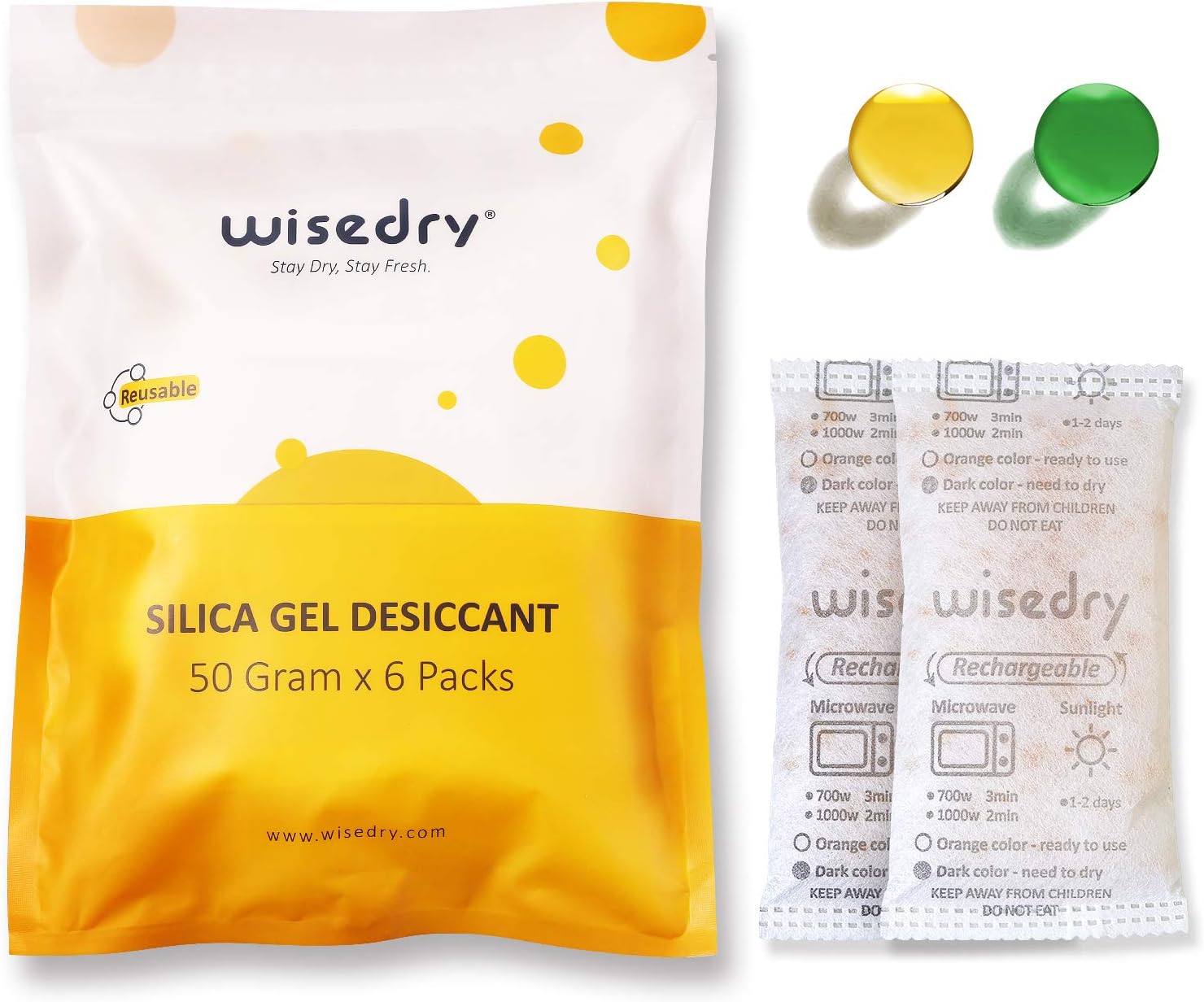
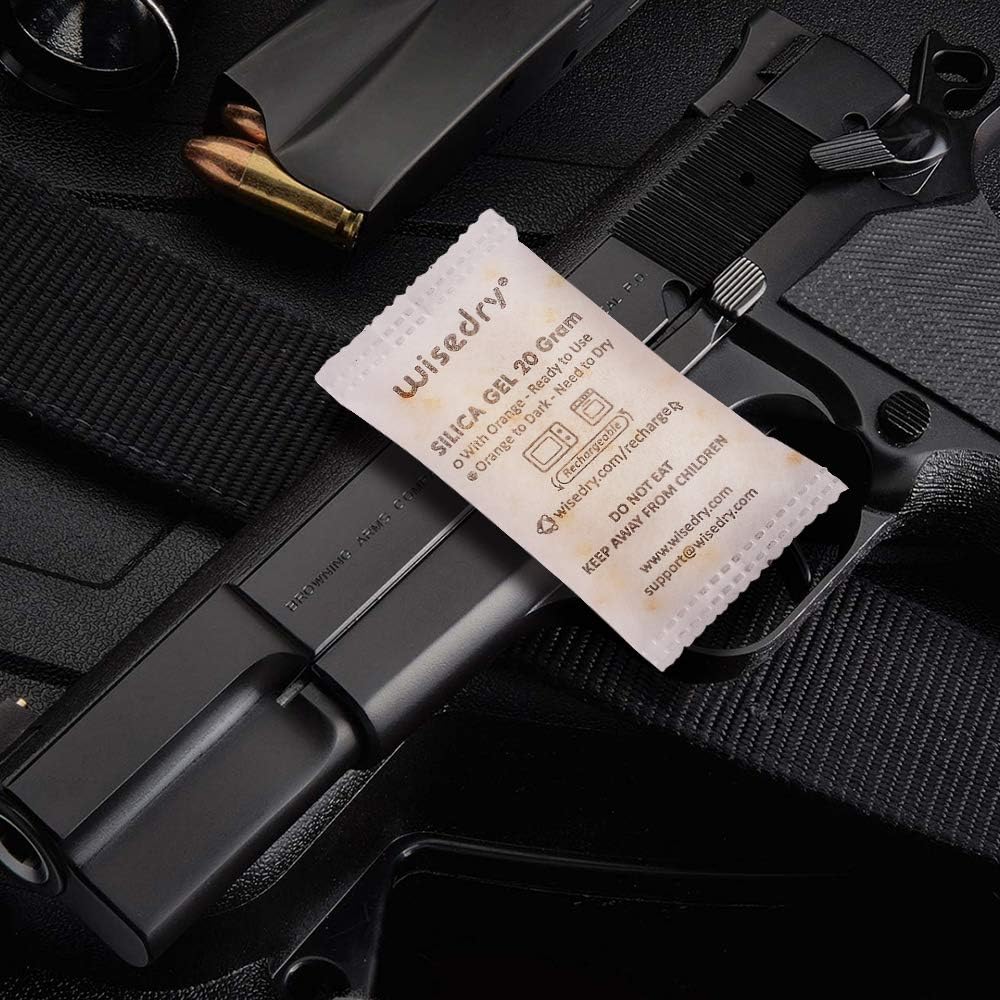
A silica gel packet is a small, breathable pouch filled with porous silica gel beads. It is a desiccant: the beads adsorb water vapor from the air and hold it on their internal surface, helping reduce moisture inside a closed package, case, drawer, or storage container.
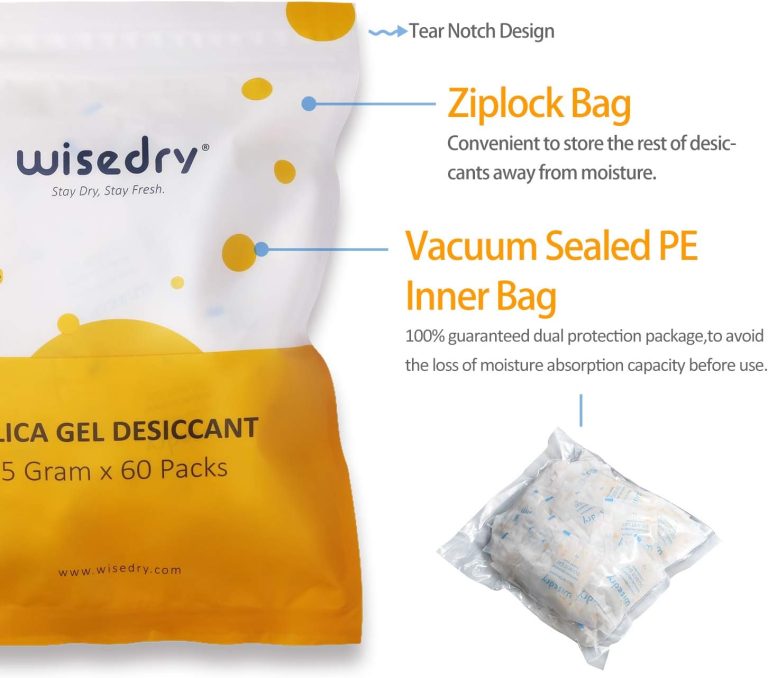
The packet works best in an enclosed space with a good seal. It does not pull liquid water out of an already wet item, repair moisture damage, or dehumidify a whole room. Keep the pouch intact, follow the label and product instructions, and replace a packet if its wrapper or seam is damaged.
If you need to size a setup, start with the Wisedry silica gel amount guide. If you have reusable Wisedry packets, use the instructions for your exact product rather than applying one heating method to every packet.
The Three Parts of a Silica Gel Packet
A finished silica gel packet is more than loose beads in a pouch. Check these three parts when you identify or compare one:
- The desiccant: porous silica gel provides the internal surface that adsorbs water vapor. Read the silica gel structure guide for the material science.
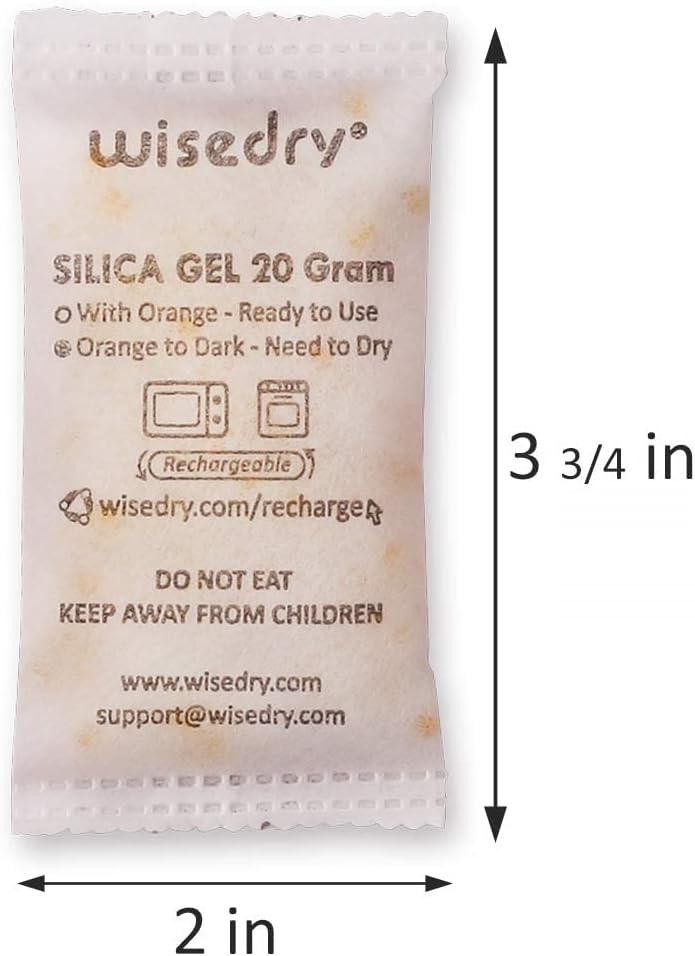
- The breathable wrapper: the sachet lets water vapor reach the beads while keeping the material contained. An intact wrapper and sealed edges matter during normal handling.
- The label or indicator: the printed identity, warnings, amount, and any color indicator tell you how that specific product should be handled. A warning is not a full specification, and not every packet is rechargeable.
If your question is how these parts are produced and assembled, continue to How Silica Gel Packets Are Made. If you are choosing a format for storage, use the practical setup and sizing steps below.
How a Silica Gel Packet Works
Silica gel is a solid form of silicon dioxide with a network of tiny pores. Water molecules in humid air attach to the large internal surface of those pores. This process is called adsorption. It is different from a sponge soaking up visible liquid.
The outer packet is made to let humid air reach the beads while keeping the beads contained. The packet therefore needs open air around it. Burying it under tightly packed items, crushing it under a lid, or blocking it behind a solid divider can make inspection harder and reduce useful air exposure.
A packet has limited capacity. Once it has taken on enough moisture, it must be replaced or—when the product is specifically designed for reuse—recharged according to its instructions. Indicator beads can make that decision easier, but not every packet includes a visible indicator.
10 Practical Uses for Silica Gel Packets
- Plastic storage bins: place packets where air can reach them and where you can inspect them without emptying the bin.
- Camera and lens cases: use an intact packet in a separate pocket or open space so it does not press against delicate gear.
- Document boxes: keep packets beside, not inside, tightly stacked papers and check the container seal regularly.
- Photo storage boxes: use a clean, intact packet with dry contents in a closed container.
- Tool and parts cases: place packets away from hinges, latches, sharp edges, and moving parts.
- 3D-printing filament boxes: leave airflow around the packet and monitor the container after each opening.
- Craft-supply storage: use packets in closed bins for paper, thread, beads, and other dry materials.
- Shoe boxes: place packets beside dry shoes before closing the box; do not use desiccant as a substitute for drying wet footwear first.
- Luggage and gear bags: add a packet only after the bag and its contents are dry, then inspect it before the next trip.
- Seasonal decorations: distribute packets in sealed containers and record a check date on the outside of the box.
A Simple Setup Checklist
- Dry first: silica gel is for controlling humidity around dry items, not for drying a visibly wet object.
- Check the seal: a leaky container continuously admits new humid air and can exhaust a packet quickly.
- Estimate the amount: use container volume, seal quality, opening frequency, and ambient humidity—not guesswork alone.
- Leave clearance: keep the packet clear of hinges, latches, sharp edges, and tightly compressed contents.
- Make it visible: position an indicator or label where you can check it without disturbing the whole container.
- Plan the next check: inspect the packet after frequent openings, humid weather, or a known seal problem.
For a step-by-step container check, use the airtight box checklist. For physical placement, see where not to place a desiccant pack.
When to Replace or Recharge a Packet
Replace a single-use packet when its indicator or product instructions show that it is spent, or when the pouch is torn, punctured, stained, or has an open seam. Do not keep using a damaged sachet. The guide to damaged desiccant sachets explains the visible checks.
Recharge only products that are explicitly sold as rechargeable, and use the time, temperature, and appliance method stated for that exact product. Let a recharged packet cool as directed before returning it to storage. Wisedry owners can start at the recharge guide hub.
Frequently Asked Questions
Is silica gel actually a gel?
No. In a packet, silica gel is a hard, porous solid, usually in bead or granular form. The word “gel” refers to how the material is made, not to its final texture.
Does a silica gel packet absorb liquid water?
It is designed to adsorb water vapor from air. It is not a towel or a repair method for an item that is already wet.
Does a packet work in an open room?
A small packet is most useful in a closed package or container. In an open room, new humid air continually enters, so a small packet has too little capacity to control the space.
Can every silica gel packet be recharged?
No. Recharge only a product whose manufacturer provides reactivation instructions. Packet materials, sizes, indicators, and approved methods vary.
How many packets should I use?
There is no universal packet count. Start with the container’s internal volume, then account for seal quality, opening frequency, humidity, and the product’s capacity. Use the Wisedry amount guide for a practical estimate.
Choose the Right Next Step
Need a quantity estimate? Open the Silica Gel Amount Guide. Already have a Wisedry reusable product? Follow the Wisedry Recharge Guides. If the packet is damaged or its indicator does not behave as the instructions describe, visit Wisedry Support.