
What Desiccant Pack Size Works Best For Small Containers?
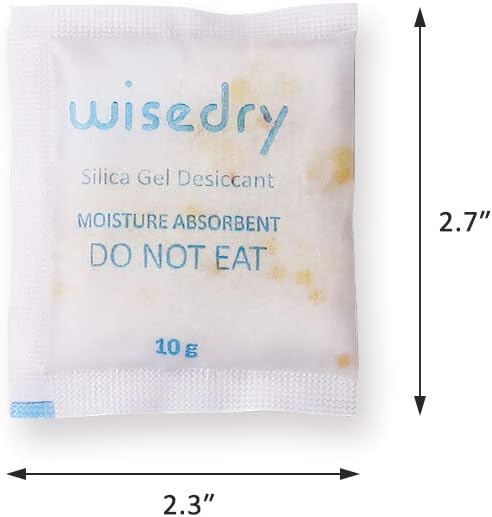
Choose a desiccant pack size for small containers by checking total amount, available space, airflow, opening frequency, and inspection access.
Read Wisedry guides on silica gel safety, flower drying, moisture control, car dehumidifier bags, resin art, and product instructions.
Choose a desiccant pack size for small containers by checking total amount, available space, airflow, opening frequency, and inspection access.

Learn which tears, open seams, punctures, stains, and heat damage mean a desiccant sachet should be removed, replaced, and reported to Support.

Use the silica gel Amount Guide for standard sealed containers, and learn when unusual conditions or product-specific questions call for Support.

Choose desiccant for a container opened daily by matching packet size, access habits, seal quality, placement, and a practical recharge routine.

Use this monthly desiccant checkup for storage boxes: inspect the seal, packet condition, indicator, placement, stored items, recharge status, and label.

Stop silica gel packs from getting crushed in gear cases: foam slots, lid trays, mesh pockets, spacing habits, and indicator checks that keep airflow open.

Keep board games and card boxes dry with silica gel: packet sizes, placement inside game boxes, indicator checks, and a simple seasonal checkup routine.

Run this quick airtight box checklist before adding silica gel: lid fit, gasket, latch, dry contents, packet placement, and one final seal test.

Place silica gel in a parts organizer the right way: one small packet per closed compartment, open airspace, dry parts, and an easy indicator routine.

Rotate rechargeable desiccant packs with a ready, in-use, and recharge system. Label each pack, keep spares sealed, and check containers on schedule.