A lens storage case is a small space, so silica gel placement and checking habits matter more than the packet count alone. The goal is simple: put active desiccant in the same closed air space as the lens, keep airflow around the packet, and keep the packet away from glass, coatings, screens, seals, zippers, and moving parts.
Used this way, silica gel can help manage moisture inside a storage case. It is not a repair tool. It cannot fix a wet lens, remove existing damage, treat fungus, waterproof a case, or guarantee a specific humidity level in a case that is opened often or does not seal well.
Quick Answer
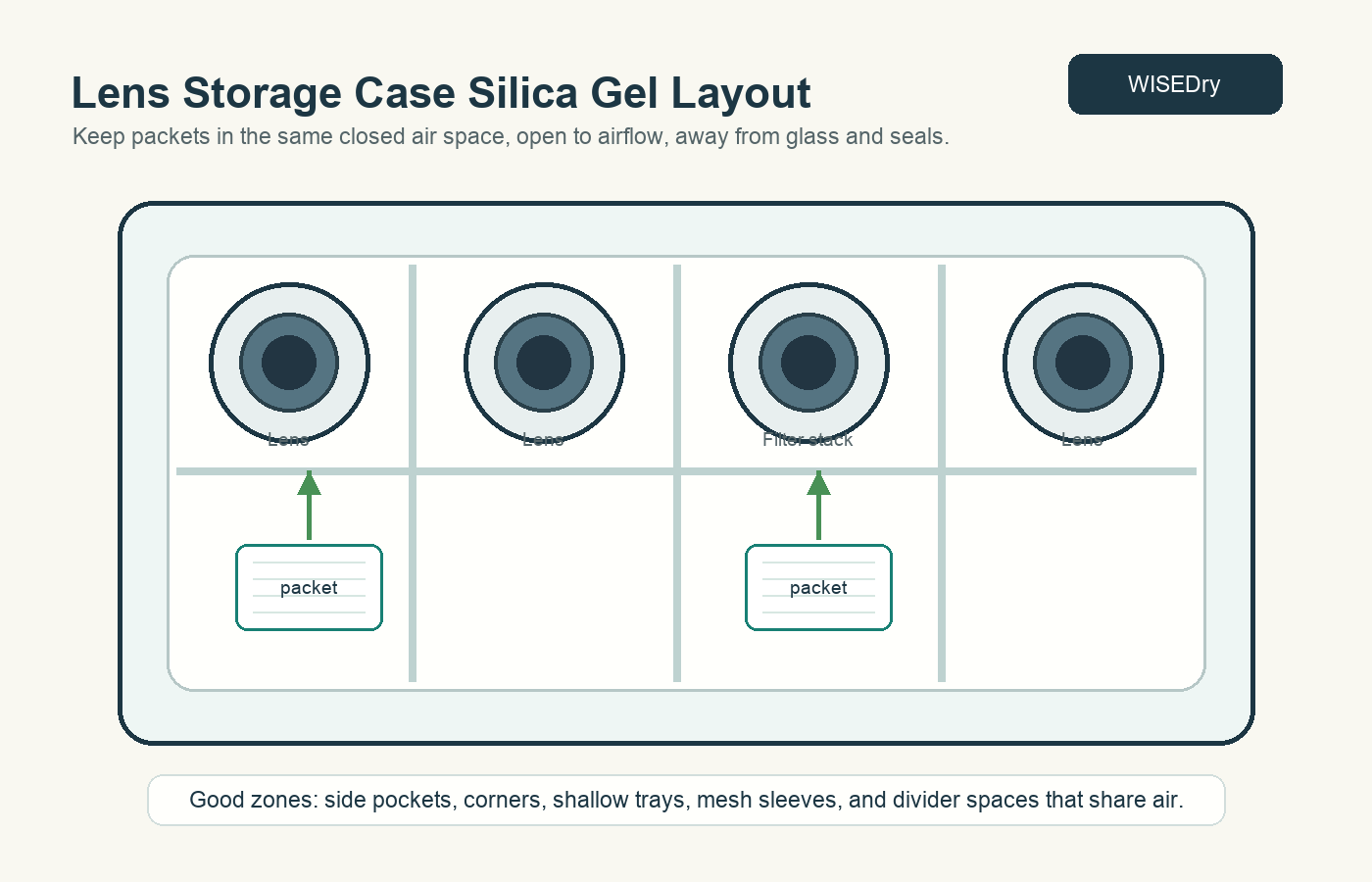
Use silica gel in a lens storage case by starting with clean, dry gear and active packets. Place the packet in a side pocket, corner, shallow tray, mesh sleeve, or divider space that shares air with the lens compartment. Do not place it directly on lens glass, inside a lid seal, under heavy gear, or where a zipper or latch can catch it.
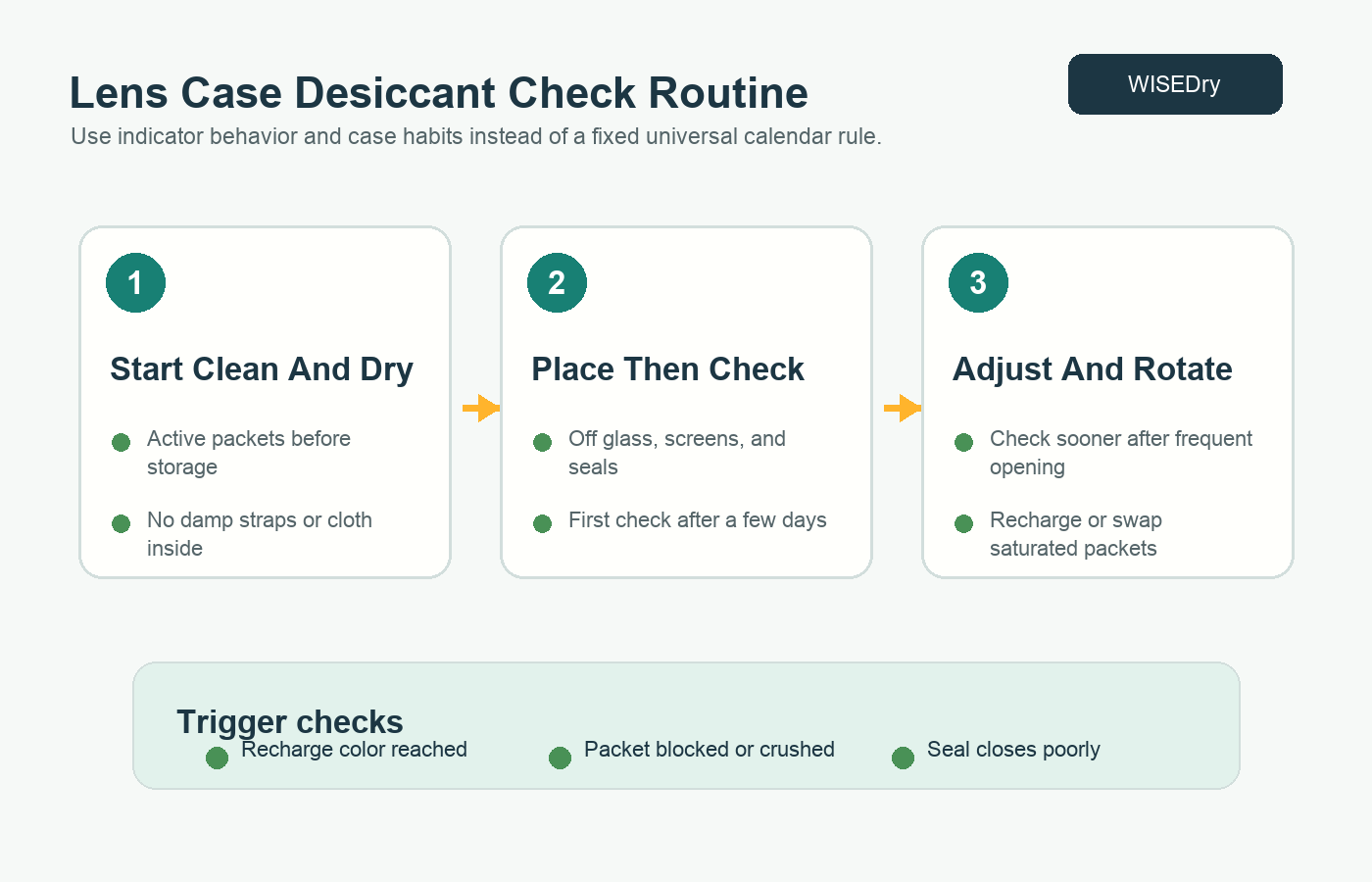
Check the packet after a few days the first time you set up the case, then again after one to two weeks. If the indicator changes quickly, the case opens often, or damp straps or cloth go into storage, check sooner. Recharge or rotate the packet when the indicator reaches its recharge condition.
For basic placement zones across camera bags, lens cases, and safes, see the Wisedry guide to where to put silica gel in a camera bag, lens case, or safe. If you are choosing the starting amount for a larger box, use the Wisedry silica gel amount guide.
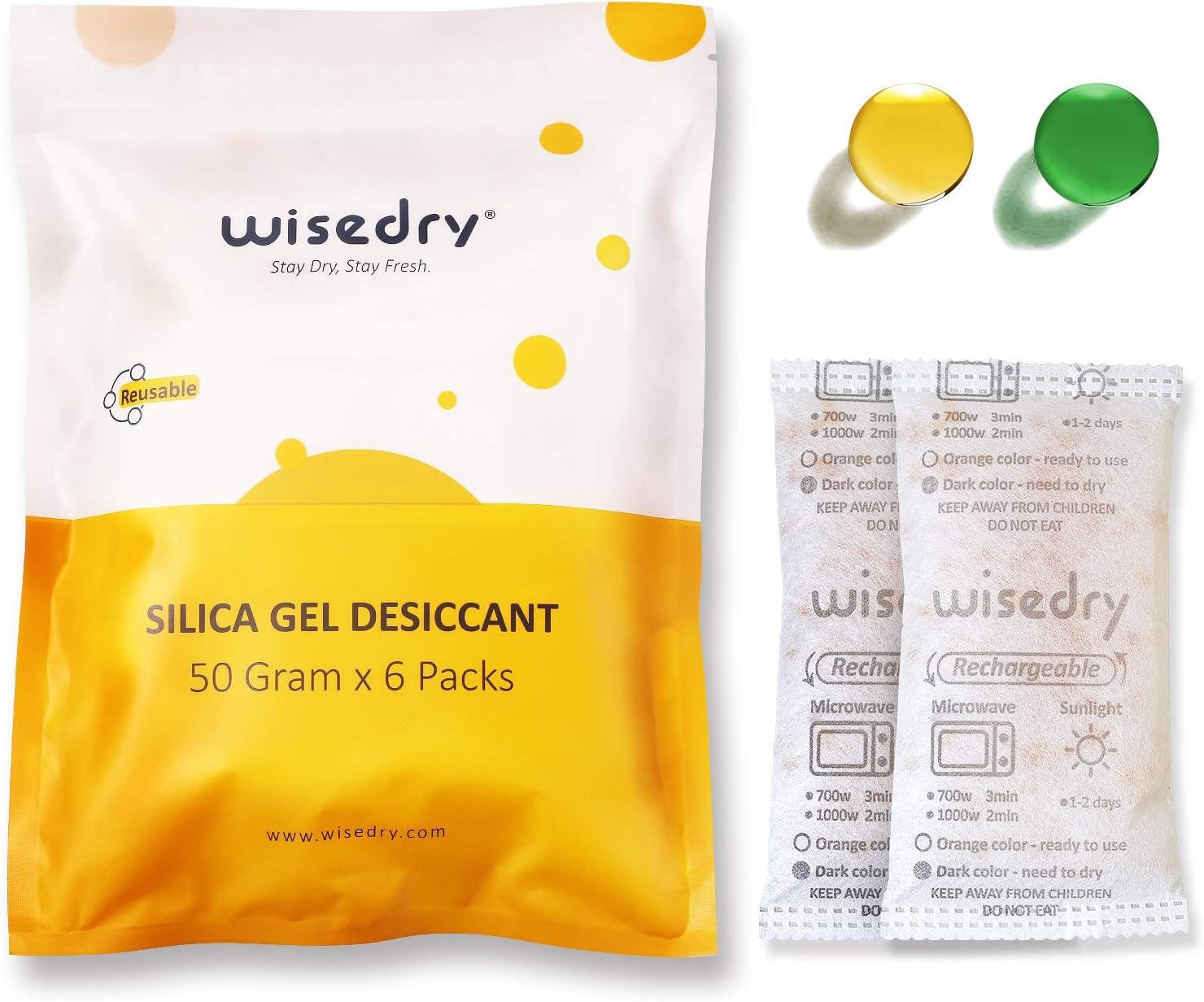
Need reusable packets for a small camera storage setup? Shop Wisedry rechargeable desiccants.
Start With A Clean, Dry Case
Silica gel works best when it is managing moisture that enters normal storage, not when it is asked to rescue damp gear. Before closing a lens case for storage, check the basics:
- The lens exterior is dry.
- The lens caps are clean and seated normally.
- Cloth wraps, straps, dividers, or foam inserts do not feel damp.
- The case interior is free of grit that could rub against glass or coatings.
- The packet itself is active and not torn, leaking, crushed, or saturated.
If the case or accessories are damp, let them dry appropriately before closing the case. Putting damp cloth, wet straps, or a recently exposed case into sealed storage can make the desiccant saturate faster and hide a problem that should be handled outside the case first.
Place The Packet In The Same Closed Air Space
The packet should sit inside the same enclosed air space as the lens. A packet in an outside pocket may not help the lens compartment much if the pocket does not share air with the inside of the case.
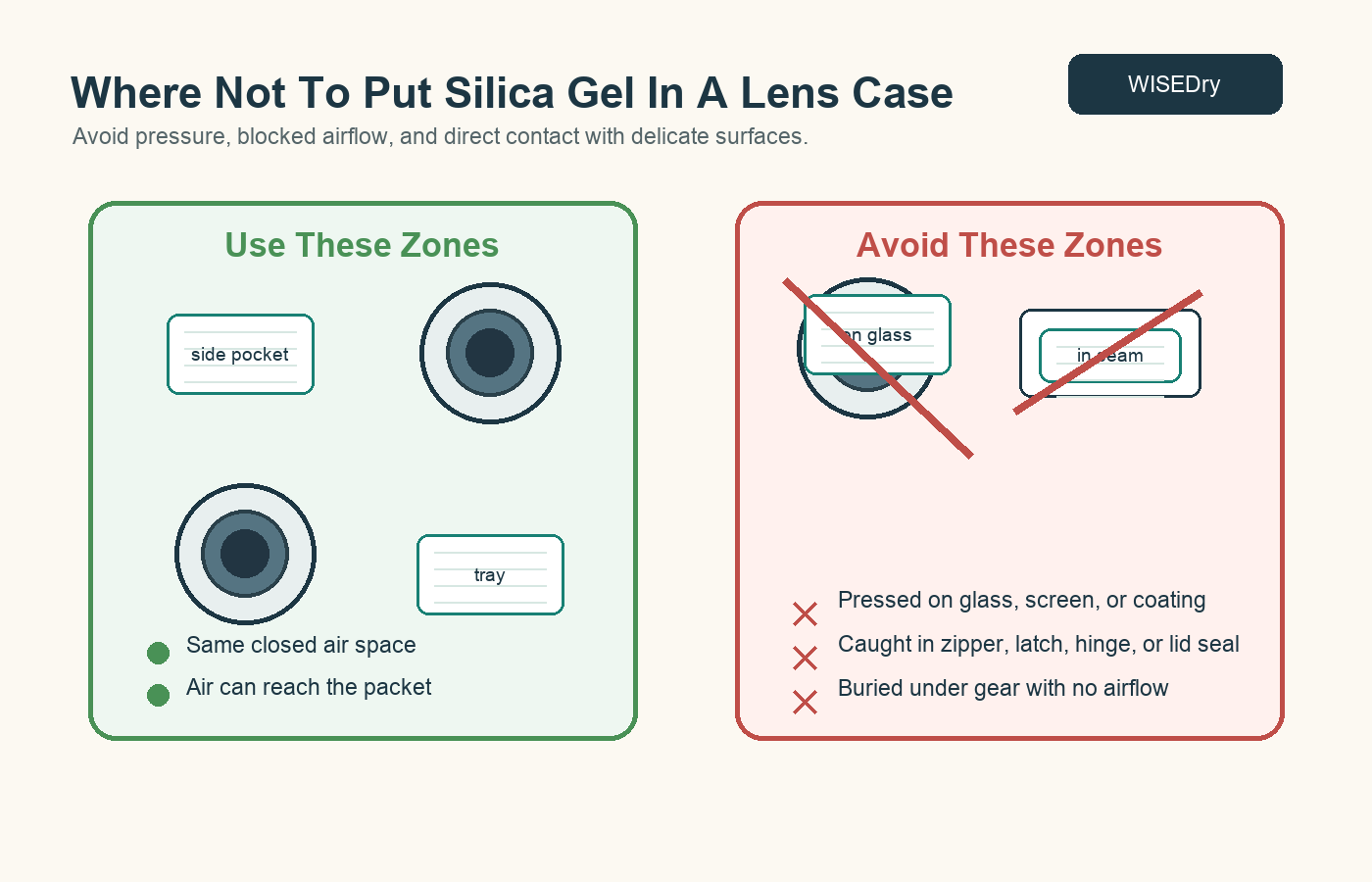
Good placement zones include:
- A side pocket that opens into the lens compartment.
- A shallow tray or open corner beside the lens.
- A mesh sleeve attached inside the case.
- A divider space where the packet cannot press against glass.
- A small breathable pouch that stays inside the closed case.
The packet should be near the lens, but not touching delicate surfaces. A little separation is useful because it protects the lens and lets air reach more of the packet surface.
Keep The Packet Off Glass, Screens, And Seals
The safest rule is: same space, airflow, no pressure. Avoid placements that create rubbing, compression, blocked airflow, or closure problems.
Do not put silica gel:
- Directly on front or rear lens glass.
- Against coated filters, screens, or viewfinders.
- In a zipper path, latch path, hinge, or lid gasket.
- Under a lens where it can be crushed.
- In a fully sealed mini pouch inside the case.
- Loose in a soft case where it can fall out during travel.
The lid seal is especially important. If a packet edge or storage pouch gets caught in the lid, it may make the case less closed than before. That can create the opposite of the intended result: more humid room air entering the case while the packet works harder.
Use The Case Habit To Set Your First Check
There is no universal calendar interval that fits every lens storage case. The first check should teach you how the setup behaves.
A practical starting routine:
- Check after a few days when you first set up the case.
- Check again after one to two weeks.
- If the packet still looks active and the case stays closed most of the time, move to a simple periodic check.
- If the indicator changes quickly, shorten the interval or improve the storage setup.
Check sooner when the case is opened daily, stored in a humid room, used after outdoor trips, packed with fabric accessories, or closed around gear that was recently exposed to damp air. For a broader timing guide, use Wisedry’s article on how often to check desiccant in a camera bag or safe.
Recharge Or Rotate When The Indicator Changes
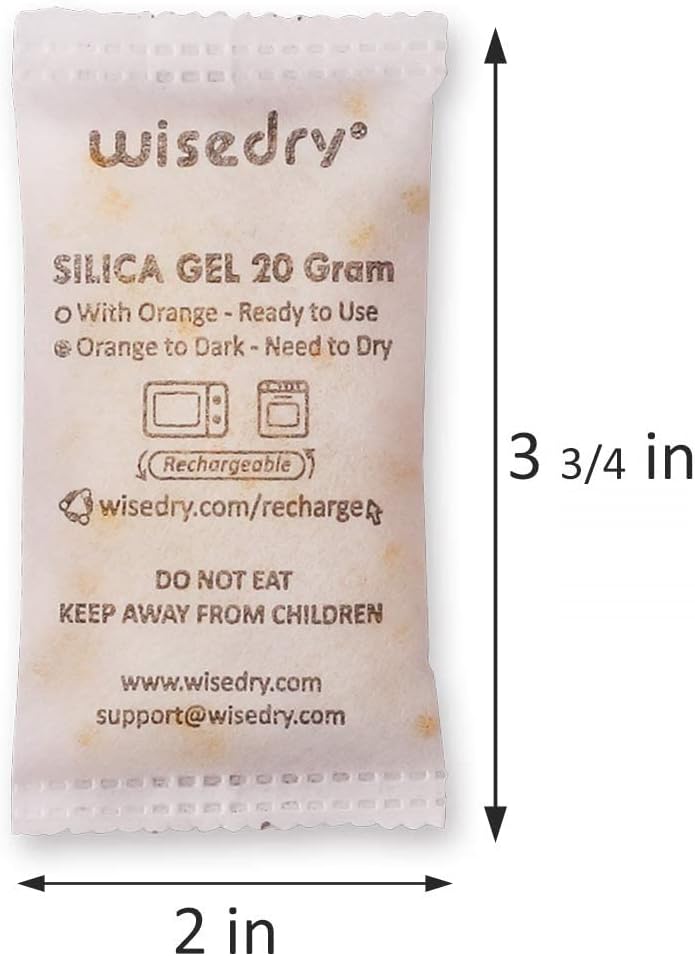
For Wisedry rechargeable silica gel products, follow the product’s recharge instructions when the indicator reaches the recharge condition. Do not keep a saturated packet in long-term storage and assume it is still helping.
A simple two-packet rotation works well for many small lens cases:
- Keep one active packet in the case.
- Keep a second active packet ready in dry storage.
- Swap when the in-use packet reaches its recharge condition.
- Recharge the saturated packet according to the correct Wisedry instructions.
- Let a recharged packet cool fully before returning it to gear storage.
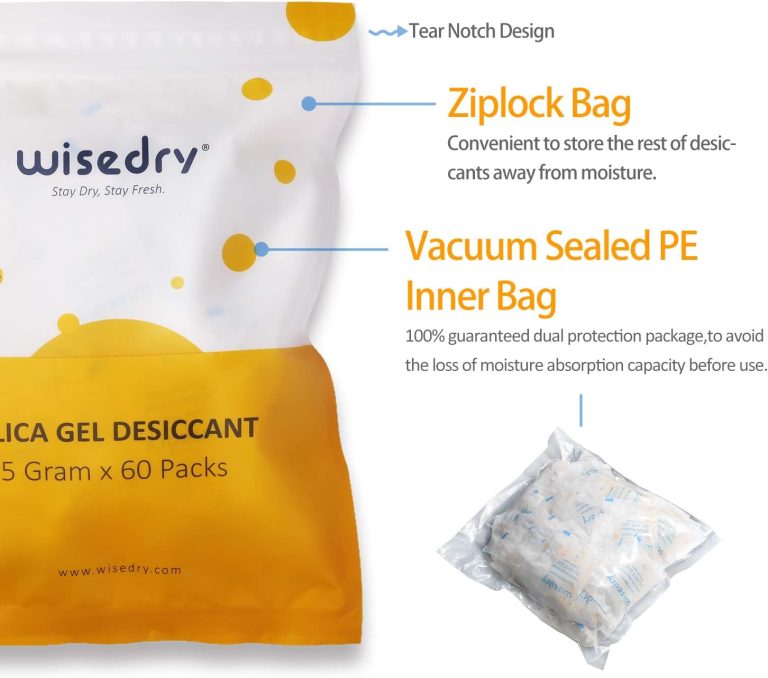
Use the Wisedry recharge hub when you need the right recharge route for a specific Wisedry packet or bead product.
Match The Setup To The Case Size
A compact single-lens pouch is different from a hard storage case holding several lenses, filters, caps, and cloth dividers. The larger the air space and the more often it opens, the more carefully you should watch the indicator behavior.
For a small single-lens case, a small active packet in an open side space may be enough as a starting setup. For a larger camera dry box or multi-lens storage case, estimate the usable inside volume and start from the camera dry box amount guide or the broader Wisedry amount guide.
Do not solve every issue by adding more packets. A loose lid, damp insert, damaged gasket, or daily opening routine may need a better storage habit more than a higher packet count.
Common Mistakes To Avoid
Treating silica gel as a lens repair method
Silica gel is for moisture control in storage. If a lens is wet, contaminated, already damaged, or suspected of having internal moisture, handle that as a camera-care issue rather than expecting a packet in a case to reverse it.
Closing damp accessories inside the case
Cloth wraps, straps, foam, and dividers can carry moisture into storage. If they feel damp, dry them before closing the case.
Blocking the packet from airflow
A packet buried under a lens, sealed in plastic, or pressed into a tight corner has less exposed surface area. Use an open pocket, mesh sleeve, tray, or side compartment instead.
Letting the packet interfere with the seal
If the packet sits in the lid seam, zipper path, or latch area, it can make the case less closed. Keep the closure path clear.
Forgetting to check the indicator
Rechargeable desiccant is useful because it can be checked and reused. That only works if the packet is inspected before it remains saturated for long storage periods.
FAQ
Can silica gel touch a lens?
Keep silica gel packets away from lens glass, coated filters, screens, and delicate surfaces. Place the packet beside the lens, in a pocket, or in a divider space where it cannot rub or press on the gear.
Should the packet go inside or outside the lens case?
Put the packet inside the same closed air space as the lens. An outside pocket only helps if it shares air with the lens compartment, which many outside pockets do not.
How often should I check silica gel in a lens case?
Check after a few days when setting up the case, then again after one to two weeks. After that, adjust based on indicator behavior, how often the case opens, and whether the storage environment is humid.
Can I use more than one packet?
Yes, if the case is larger, opened often, or the indicator changes quickly. For a multi-lens dry box, start with container size and then adjust from real checks instead of guessing only by the number of lenses.
Is silica gel enough for long-term lens storage?
Silica gel is one part of a storage routine. A clean case, dry gear, a case that closes properly, good placement, and regular checks all matter. Do not rely on silica gel to fix a leak, wet gear, or existing lens damage.
Final Takeaway
For a lens storage case, use silica gel as a repeatable routine: start clean and dry, place active packets in the same closed air space, keep them off delicate surfaces and seals, check early, and recharge or rotate when the indicator shows saturation.
For your next step, shop Wisedry rechargeable desiccants, review the Wisedry recharge instructions, or contact Wisedry Support if you need help matching a packet to your storage setup.