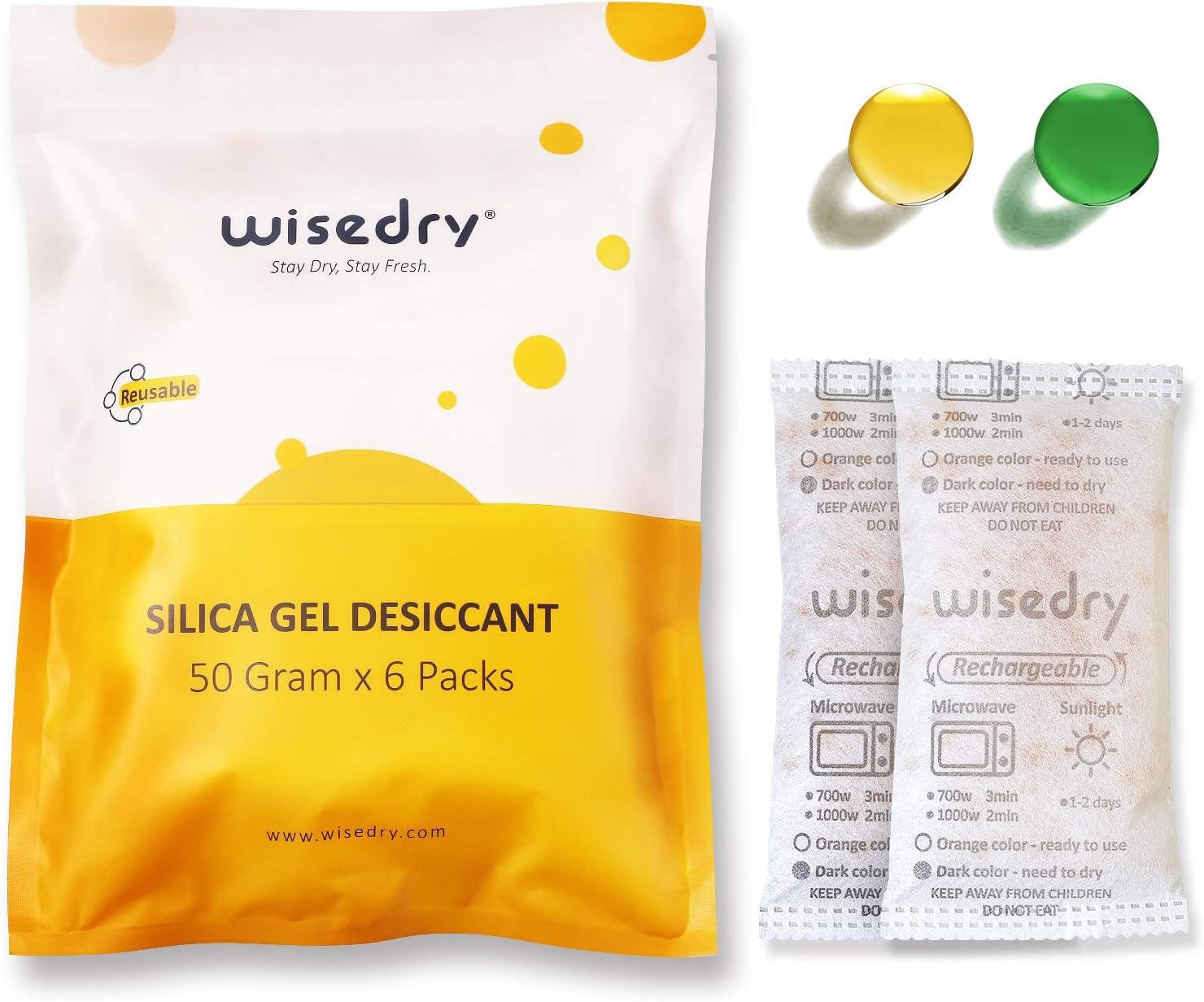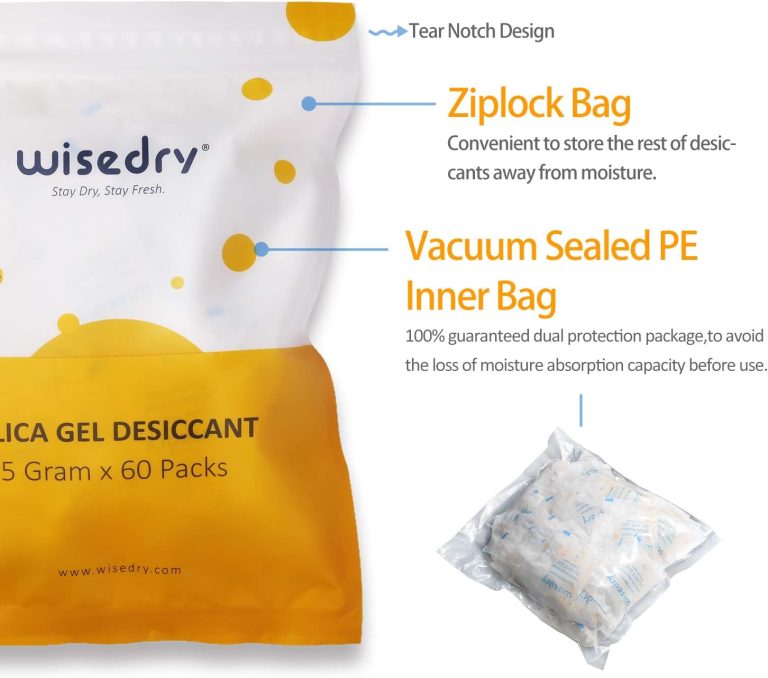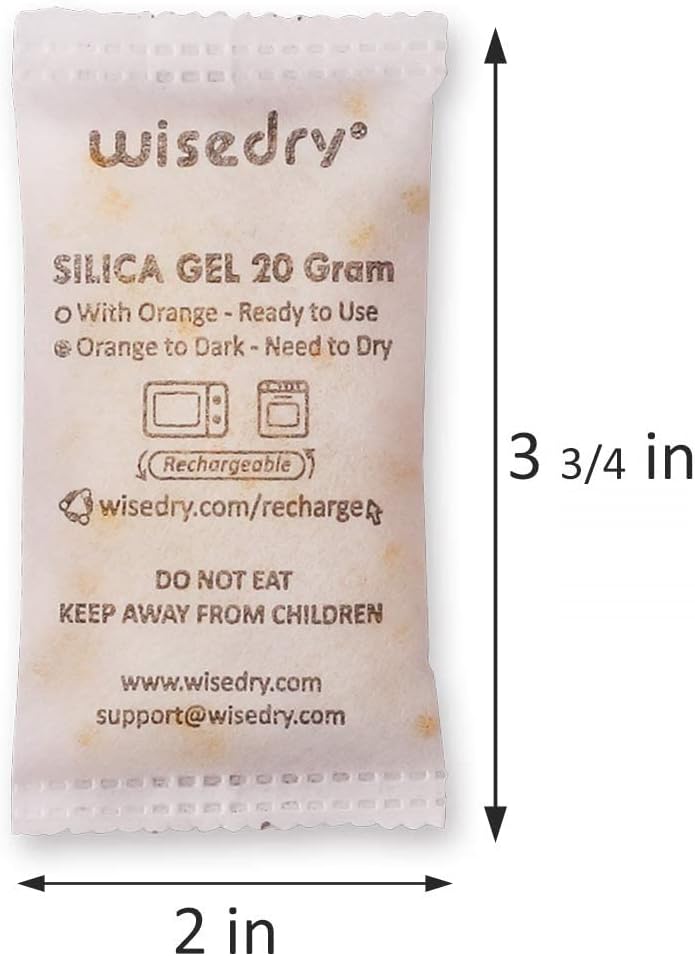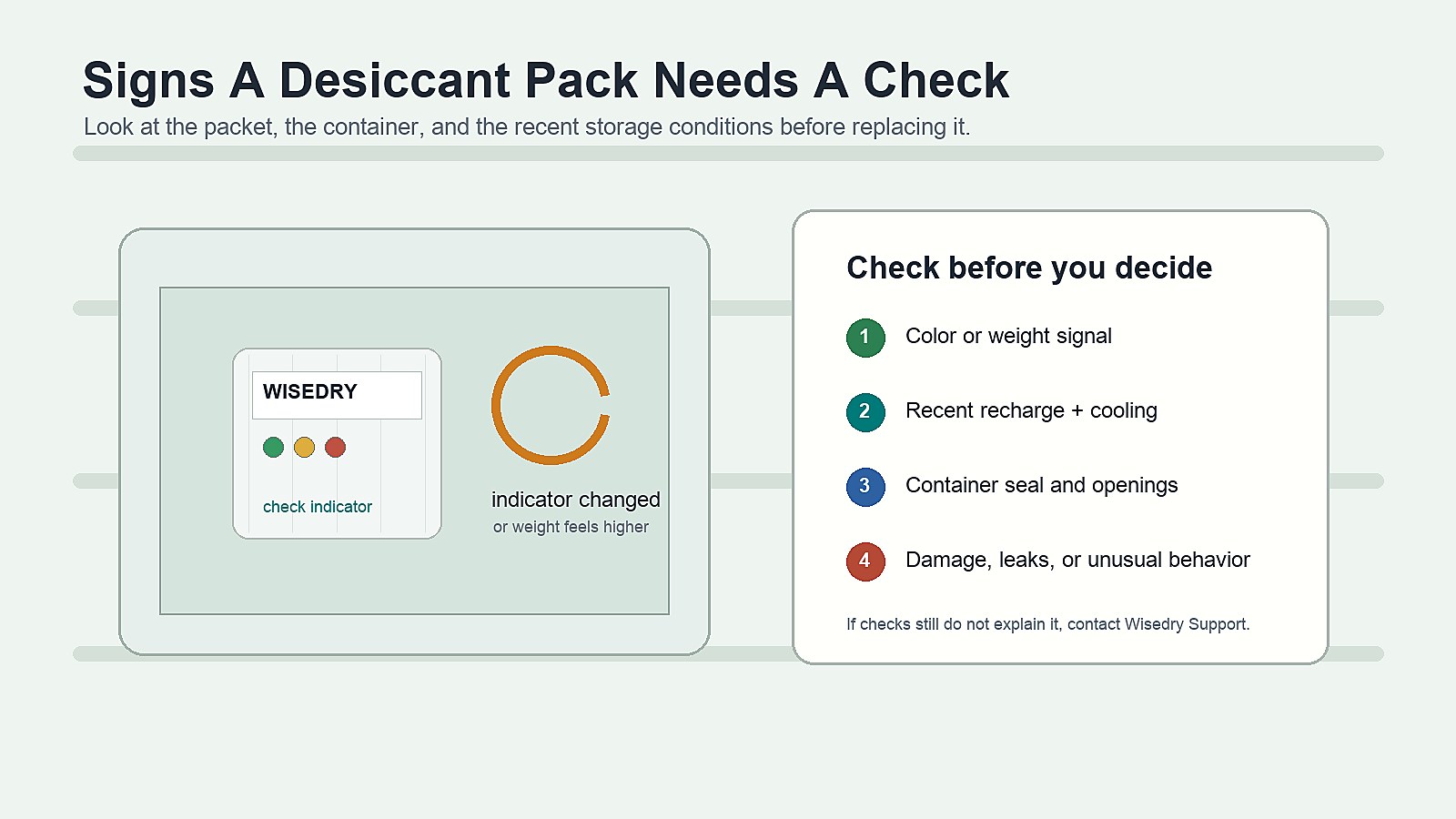
A desiccant pack does not always stop working all at once. More often, the signs are indirect: the indicator changes sooner than usual, the container feels damp again, the packet seems heavier, or the same storage setup needs attention more often than it used to.
Those clues do not prove the packet is finished. They tell you what to check next. A normal pack can look like it is underperforming if the container leaks, the space is opened often, the packet was not recharged correctly, or damp items were stored with it.
Quick Answer
A desiccant pack may not be performing as expected if its indicator reaches the used color sooner than usual, it feels heavier after a short period, the same container becomes damp again quickly, or correct recharging does not restore the expected dry-state signal. Before replacing it, check the packet condition, recharge instructions, cooling step, container seal, placement, and the amount of desiccant in the space.
Use the signs as a troubleshooting path, not as a guaranteed diagnosis. If the packet still behaves unusually after those checks, contact Wisedry Support with the product type, container size, storage use, and what you observed.
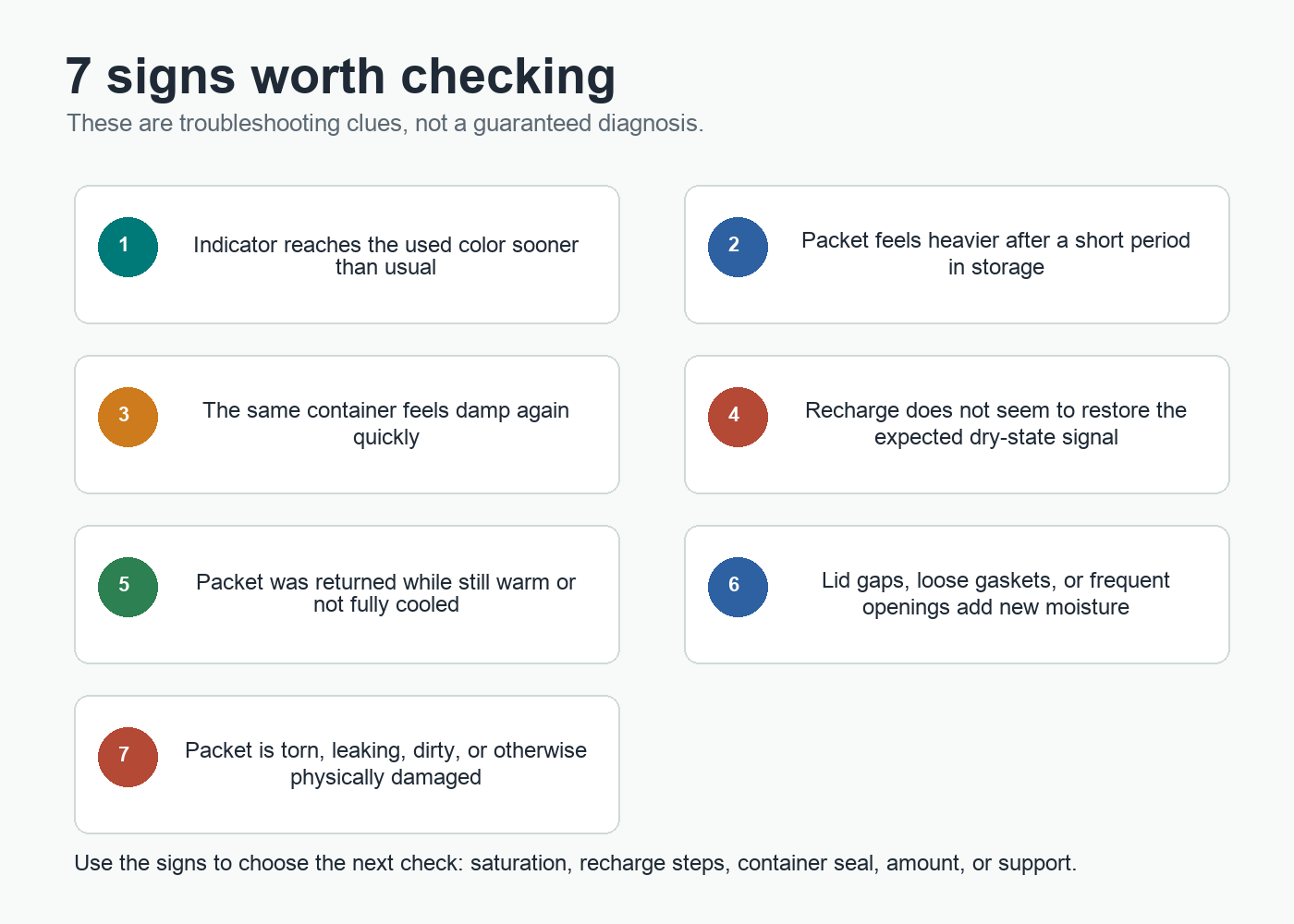
Seven Signs Worth Checking
1. The Indicator Reaches The Used Color Sooner Than Usual
If your packet has a color indicator, a faster color change can mean the packet is seeing more moisture than before. It can also mean the storage box is being opened more often, the seal has changed, or humid air is entering through a gap.
Do not judge by color alone if your product instructions include other checks. Start with the Wisedry guide on how to tell if a silica gel packet is saturated and compare the packet with the guidance for your product type.
2. The Packet Feels Heavier After A Short Period
Silica gel adsorbs moisture, so a used packet can feel heavier than a dry one. A quick weight gain is a clue that the packet is taking in moisture, but the source may be the container or stored items rather than the packet itself.
Check whether the box was opened frequently, moved into a humid room, filled with recently handled items, or stored near a moisture source.
3. The Same Container Feels Damp Again Quickly
If the container still feels damp soon after you add a dry packet, check the setup before assuming the packet has failed. A poor lid seal, cracked corner, loose latch, damp contents, or frequent opening can keep adding moisture.
The Wisedry guide on checking a container seal without special tools gives simple checks for lid pressure, light gaps, and paper slip movement.
4. Recharging Does Not Seem To Restore The Expected Dry-State Signal
If a rechargeable pack does not look or behave as expected after recharging, first confirm that you used the correct Wisedry instructions for that product type. Different Wisedry desiccants can have different recharge methods, so start at the Wisedry recharge hub instead of guessing.
Also make sure the pack cooled fully before it went back into an enclosed container. Returning a warm packet too quickly can make the next observation harder to interpret. The cooling workflow is covered in how to cool silica gel after recharging before reuse.
5. The Packet Changes Quickly In A Container That Used To Be Stable
When the same packet-and-container setup changes behavior, look for a change in the environment. Seasonal humidity, more frequent openings, a worn gasket, a different storage location, or damp contents can all increase the moisture load.
If this started during humid weather, compare your setup with the guide on why silica gel saturates faster in summer.
6. The Pack Is Placed Where Air Cannot Reach It
A desiccant pack needs access to the air inside the enclosed space. If it is buried under fabric, pressed tightly against a wall, sealed inside another bag, or blocked by dense items, it may not interact with the container air evenly.
Move the packet to a visible, protected spot where air can circulate around it without crushing or contaminating the pack.
7. The Packet Is Physically Damaged
If a packet is torn, leaking, heavily soiled, crushed, or otherwise physically damaged, do not keep using it around delicate items. Isolate it from the storage contents and contact support if you are unsure about the next step for that Wisedry product.
This is a product condition check, not a medical or safety diagnosis. Follow the product instructions and avoid putting damaged packs back into important storage.
What To Check Before You Replace A Pack
Confirm The Product Instructions
Start with the instructions for your specific Wisedry product. A desiccant bag, silica gel packet, bead container, or flower-drying material may have different recharge guidance. The Wisedry recharge page is the safest starting point.
Check The Container Seal
A leaking container can make a good packet look weak. Inspect the lid, gasket, corners, latches, hinges, and any warped areas. If humid air keeps entering, the packet will keep adsorbing moisture until it reaches its used state again.
Review How Often The Container Is Opened
Every opening brings in new air. A packet in a daily-use camera bag, craft bin, filament box, or parts case may need attention sooner than one in a sealed box that stays closed.
Check The Amount And Placement
The right amount of desiccant depends on container volume, seal quality, humidity, stored materials, and opening frequency. If the container changed, use the Wisedry packet size and gram guide to reassess the setup.
Look At The Stored Items
Damp contents can load moisture into the container from the inside. Recently handled gear, paper goods, fabric, craft materials, outdoor items, or items moved from a humid room can all change the packet’s workload.
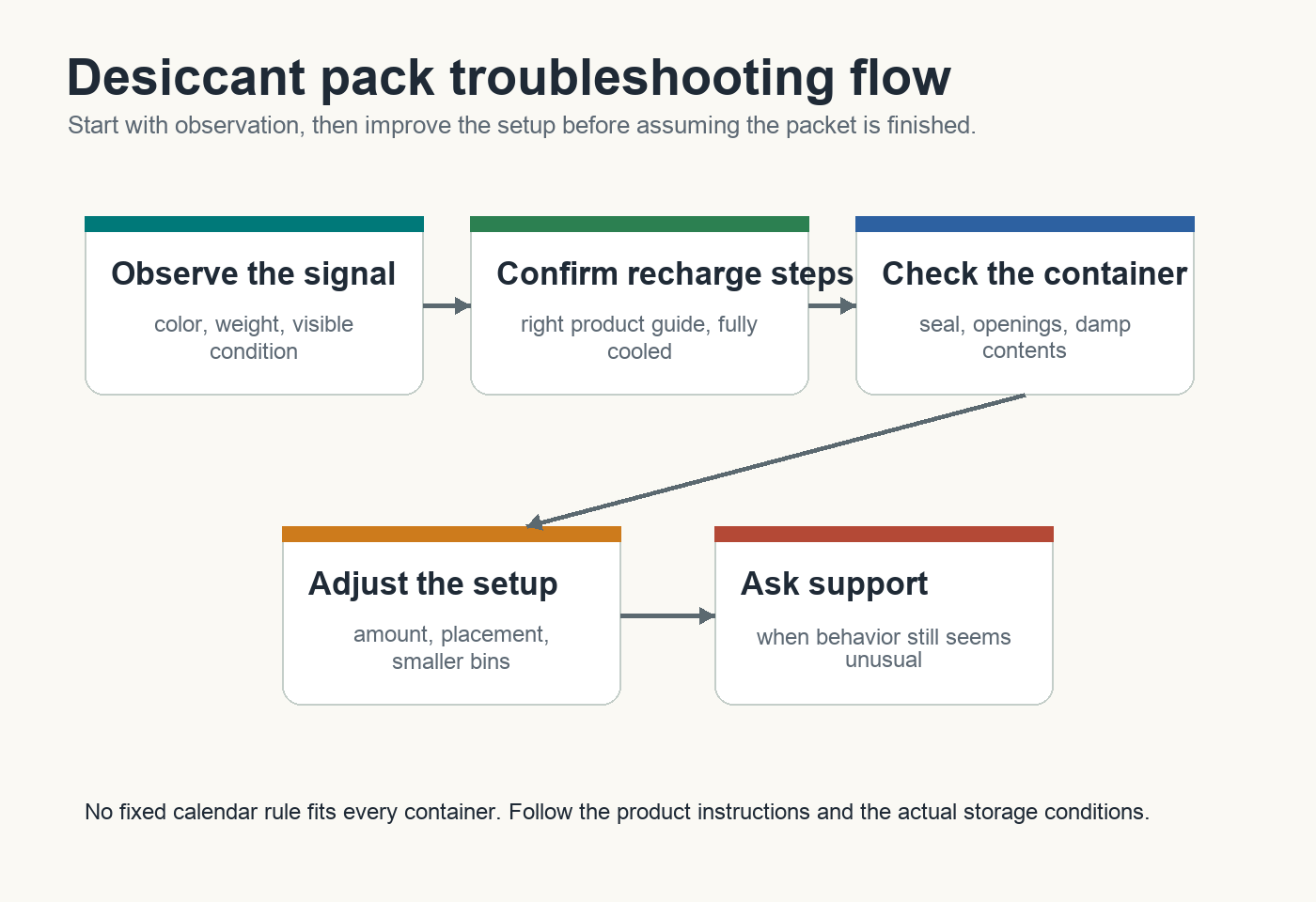
A Simple Troubleshooting Flow
Use this sequence when a desiccant pack seems to be underperforming:
- Observe the signal: color, weight, container feel, and visible packet condition.
- Compare the signal with the product instructions.
- Recharge only if the product guidance shows the packet is ready.
- Let the packet cool fully before reuse.
- Check the container seal and opening habits.
- Move the packet where air can reach it.
- Reassess whether the amount of desiccant fits the container.
- Contact support if behavior still seems unusual.
This keeps the decision practical. You are not trying to prove an exact failure point; you are narrowing down the most likely setup issue or product-support question.
When A Pack May Simply Be Doing Its Job
A fast color change or heavier feel can be frustrating, but it can also mean the pack is actively adsorbing moisture from a demanding setup. For example, a packet in a leaky storage box, humid garage, frequently opened bin, or damp seasonal container may reach its used state sooner because the moisture load is higher.
In that case, the next step is usually to improve the setup: seal the container, reduce unnecessary openings, separate damp items, use the right amount of desiccant, and follow the recharge instructions when the pack is ready.
When To Contact Wisedry Support
Contact Wisedry Support when the packet still behaves unusually after you have checked the product instructions, recharge method, cooling step, container seal, amount, placement, and stored contents.
Include details such as the Wisedry product type, where it is used, the approximate container size, how often the container is opened, what the indicator or weight change shows, and what happened after recharging.
You can shop Wisedry reusable desiccants when you are building a new sealed-storage setup, or contact Wisedry Support when the best next step is not clear.
FAQ
How Do I Know If A Desiccant Pack Is Still Working?
Look for the product’s normal signals, such as indicator color, weight change, or the instructions for that pack. Then check the container seal and storage conditions. A pack can still be working even if it reaches its used state quickly in a humid or leaky setup.
Does A Fast Color Change Mean The Pack Is Bad?
Not by itself. A fast color change usually means the pack is seeing moisture. The reason may be humid air, a poor seal, damp contents, frequent openings, or a setup that needs more desiccant.
Should I Replace A Pack That Needs Recharging Often?
Not automatically. First confirm that you are recharging correctly, letting the pack cool, and using it in a container that seals well. If the same issue continues after those checks, contact support with the details.
Can A Smaller Container Make My Desiccant Pack Seem More Effective?
Often, yes. A smaller sealed container usually gives a desiccant pack less air volume and less incoming moisture to manage, so the same packet may appear to last longer than it would in a large bin, a loose drawer, or a container with a weak seal. If your packet seems to saturate too quickly, review both the container size and the seal before assuming the packet has failed.
For a deeper explanation, see Wisedry’s guide to why smaller containers usually need fewer desiccant packs.
Can I Fix Underperformance By Adding More Desiccant?
Sometimes more desiccant helps, but it will not fix a leaking or frequently opened container. Check the seal, placement, and stored contents first, then use the amount guide if the setup needs to be reassessed.
What If The Packet Is Torn Or Leaking?
Do not put a damaged packet back with important storage items. Isolate it from the contents and contact Wisedry Support if you need product-specific guidance.
For a container that remains damp even with a ready packet inside, follow the storage-container reset test before deciding that the desiccant itself needs replacement.